
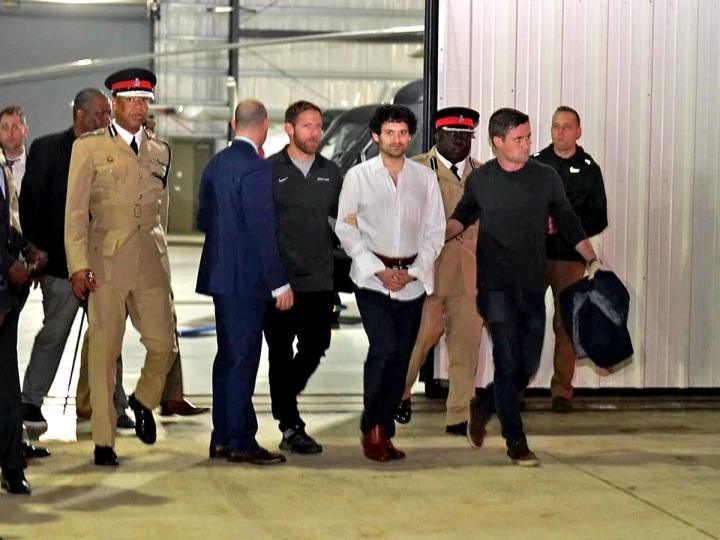
A 5% stake in AI coding startup Cursor, which FTX’s bankruptcy estate sold for $200,000 in April 2023, would be worth about $3 billion today, following SpaceX’s deal this week to acquire the company for a valuation of $60 billion.
SpaceX said Monday that it has the right to buy Cursor later this year for $60 billion or pay $10 billion if the full acquisition is not completed. The deal is founder Elon Musk’s move to close the gap with OpenAI and Anthropic in AI coding tools, an area where he recently said xAI, the Musk-led AI company that merged with SpaceX, is behind its competitors.
SpaceX is postponing an immediate acquisition due to its planned initial public offering targeting a $2 trillion valuation, with the $10 billion serving as a breakup fee.
The crypto angle is found in the cap table. In April 2022, Alameda Research, the trading company founded by Sam Bankman-Fried and run alongside FTX, invested $200,000 in Anysphere, the company building Cursor.
That investment bought about 5% of the company at a valuation of $4 million. A year later, FTX collapsed, Alameda and FTX were bankrupt, and the court-appointed estate sold Cursor’s stake for the same $200,000 that Alameda had paid.
The stake is worth $3 billion at SpaceX’s $60 billion price, meaning the gap between what FTX equity received and what the position would earn today is roughly a 15,000x return. Instead, it was made by whoever bought it in bankruptcy and not by the creditors for whom the estate was supposed to maximize recovery.
The timing is awkward for FTX’s bankruptcy administration.
Bankman-Fried, currently serving a 25-year federal sentence, spent the last year arguing from prison that the FTX estate destroyed billions in value by liquidating assets too quickly during the bankruptcy, and that clients could have been left more than whole if the process had held positions rather than selling them at what turned out to be the bottom of cryptocurrency prices.
In February, it shared a projection suggesting that FTX’s net asset value would have reached $78 billion if the estate had held assets during the subsequent recovery rather than selling them in 2023 and 2024.
Cursor launched its AI coding product in early 2023, the same year the estate sold the stake, and the company’s trajectory from that launch to its current valuation three years later is among the steepest in software startup history.
FTX clients have since been compensated in dollar terms under the bankruptcy distribution plan, receiving back the values of their claims plus interest. What they didn’t get is the benefit of what those assets became between the bankruptcy filing and now, which in the case of Cursor’s stake only represents about $3 billion of lost recovery against $200,000 realized.
Bankman-Fried’s parents have publicly advocated for a pardon, appearing on CNN in March arguing that FTX clients finally received their money and that the case against their son should be reviewed. The Cursor number is likely to feature prominently in the family’s ongoing campaign and in Bankman-Fried’s own letters from prison, as the clearest example of the kind of value he claims the property was destroyed by forced sale.


