
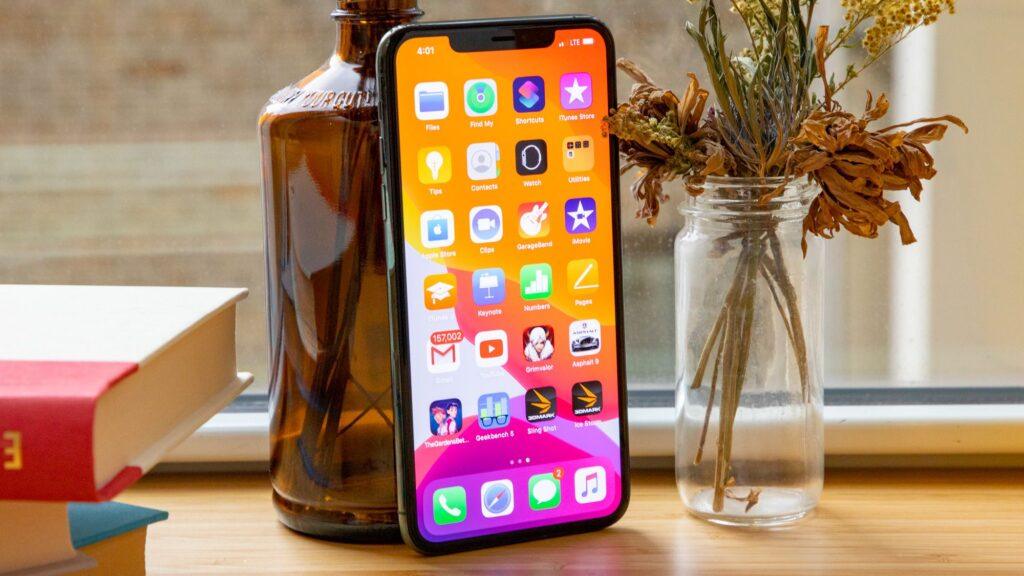
Stricter age verification controls for online content, especially social media, are becoming the norm around the world, and with iOS 26.4, Apple introduced operating system-level age controls for some of its iPhones to show The Simpsons’ Helen Lovejoy (and other real-world governments) that someone is finally thinking about children.
The rollout hasn’t been smooth at all, mimicking over-verification rollouts, especially for people who lack the few Apple-approved forms of ID (which include credit cards, but not debit cards).
Article continues below.
Look
Think of the children
I grew up with the Internet and have seen it transform as platforms are modified and designed to be more addictive, proliferating with bot-fueled misinformation that is destroying our digital and real-world lives. Cheerful.
While I love social media platforms like YouTube, I think my favorite channels helped spark a genuine love of learning that helped me tremendously in school, and to this day the system we have is broken and things need to change.
General age controls and bans are one approach, but can be a blunt instrument when a precise scalpel is needed. They also raise significant privacy concerns: as we’ve already seen, some sites mishandle ID scans (to the benefit of hackers) and there are legitimate fears that governments will learn about your online activity (especially for marginalized groups).
But this is where I hope Apple can come in.
An ideal solution does not require that every business know all of your identification information, nor does it require a government to know precisely where you visit. The site just needs to know that you are 1) a real person and 2) pass the age requirement. Ergo, a digital ID version of two-factor authentication that simply sends limited data in a privatized way could work wonders. However, it would also require confidence that the system is as private as it promises.
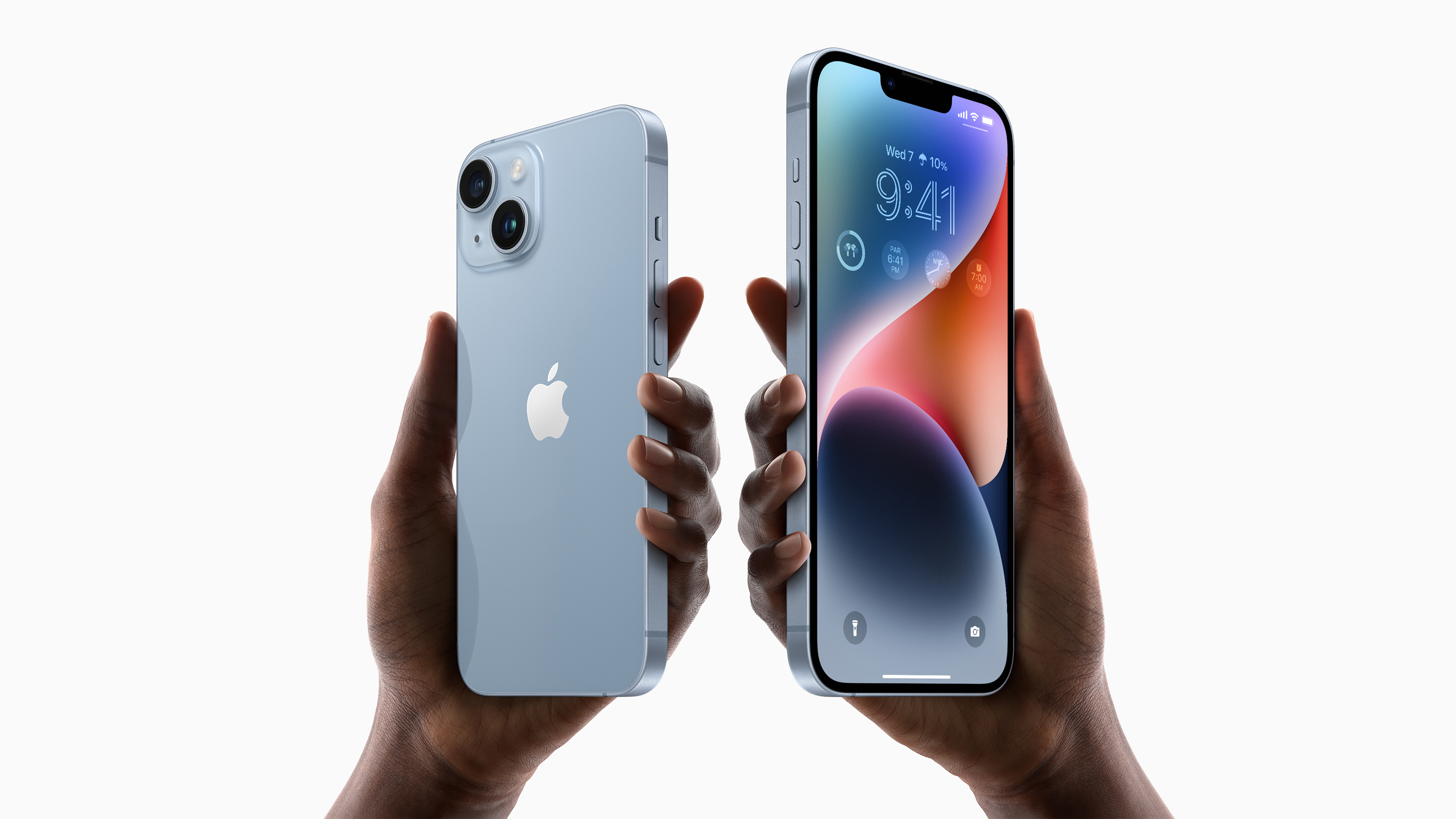
Apple has strong privacy protections for user data on its devices, and is well-positioned to create my ideal ID system, having built so much trust in the privacy of its platform and even pushing back against governments that have tried to reduce its protections.
Sure, their current efforts aren’t perfect, but Apple could work on something much better, and I hope so. This way, we could maintain some level of privacy online while also helping to clamp down on bot farms ruining the Internet and preventing children from accessing content they shouldn’t.
The reality is that governments are taking strong action on age controls and online safety, so it is a question of when, not if, the status quo will change. Naturally, savvy Internet users have found solutions that work for now using VPNs and various other methods, but these solutions may not be around forever.
The longer we wait to propose a good solution (even if it’s not perfect), the more likely we’ll be left with something terrible (including several of the methods now on the table). From a better starting position, we could continue to evolve, rather than going from maximum approaches to minimum approaches, which I fear is a cycle in which we might otherwise find ourselves trapped.

Follow TechRadar on Google News and add us as a preferred source to receive news, reviews and opinions from our experts in your feeds.


