
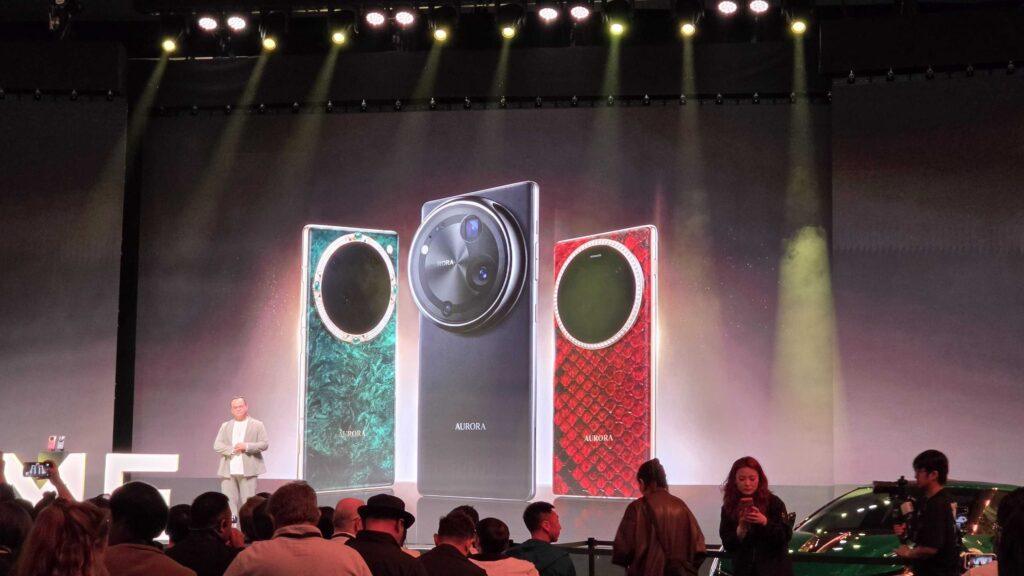
- Dreame presented a pair of Aurora phones at Dreame Next
- The standard model features some impressive modular accessories.
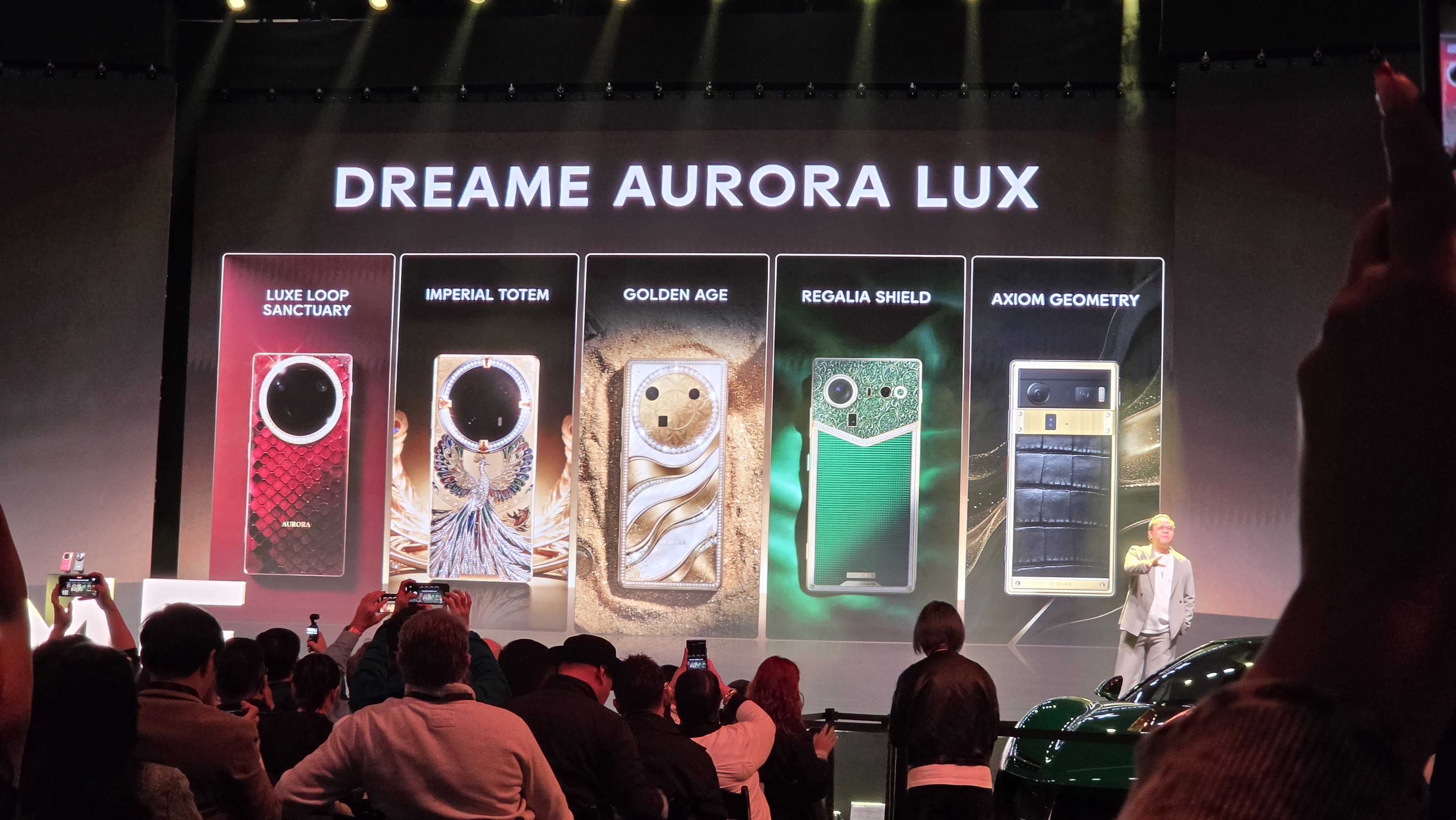
- Lux designs look more like fashion statements than smartphones
After its rocket debut on day 1 and its army of armed smart appliances on day 2, Dreame Next day 3 showed off a couple of smartphones, and I don’t know if I love the design or if I need to vomit.
I’m not talking about the more standard Dreame Aurora model with its Nex accessories; this looks pretty good. Borrowing the kind of giant circular camera bump you’d find on the Oppo Find X9 Ultra or OnePlus 13 Pro, this device features a 200MP camera with a 1-inch sensor.
Plus, with a 7000mAh battery, I expect this phone to deliver on its all-day battery promise.
Article continues below.
However, the highlight of the design is the Aurora Nex add-ons. Sort of a collection of mag-safe type accessories with multiple uses: there’s the 50MP action camera with ultra-fast autofocus, the 50MP telephoto lens with LOFIC sensors for single-shot HDR, a satellite communication module to stay connected no matter where you are, a cooling module (aka fan) to keep your phone cool during intense gaming sessions, and the Agent module that looks like some kind of AI companion, although details were a bit limited on how it works. I would see exactly your support.
Dreame suggested that other add-ons could be released in the future, and it’s an interesting approach to smartphone modularity, although we’ll have to test these drives to determine if they live up to the promise.
Luxurious or ugly
Where things start to get a little sick is the Dreame Aurora Lux: intricately designed smartphones covered in vibrant prints, jewels and effects that look more like a handbag than a smartphone.
With names like Imperial Totem, Regalia Shield, and Axiom Geometry (yes, these are names of real phones, not definitive JRPG attacks), these designs have an undeniable pomp that definitely stands out from the crowd of iPhones and Samsung Galaxy phones in the world. However, I personally don’t like them.
We also take a look at the Aurora 1.0 operating system. A booth at the show gave me a first impression of the operating system, and at the moment it looks a bit like a work in progress: Android 16’s underlying architecture is very simple to look at, which still makes the operating system feel more like an aesthetic theme than its own real version of Android.
There was also talk of AI and the usual personal context assistance that all phone companies have promised (merging data between apps to help organize your real and digital life), but again, the presentation was light on specific details of how this would be achieved.
Additionally, two key details are also missing: price and release date.
Dreame Next has been a strange showcase, and the lack of firm commitments on when this technology will be available has put a damper on the festivities – it’s hard to get excited about a technology you may never get to try.
If you’re looking for a flashy phone, keep your fingers crossed that the Dreame Aurora devices see the light of day soon, although for now you might have to settle for the luxurious iPhone case.

Follow TechRadar on Google News and add us as a preferred source to receive news, reviews and opinions from our experts in your feeds.


