
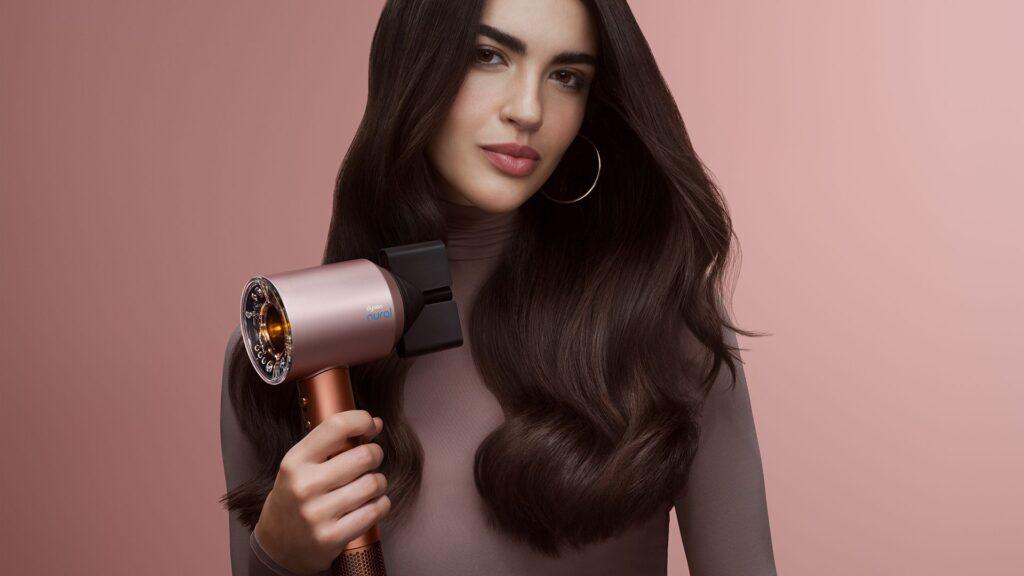
- When hair looks “healthy,” what you often see is the softness with which light reflects off the surface.
- Making small changes to the way you use shampoo and conditioner can reduce damage and improve shine.
- Using heat correctly and carefully can make a big difference in the health of your hair.
- Maintain ends and prevent buildup for a smoother, healthier look.
With the huge rise in hair serums and tonics, Supersonic Nural-style dryers that promise to protect the scalp, and even stylists like the Dreame Miracle Pro that use red light therapy to enhance hair, healthy hair is incredibly trendy.
However, you don’t have to spend a fortune to achieve this. When hair looks “healthy,” what you typically notice is how softly light reflects off the surface. That means that small changes that soften the cuticle can have a disproportionate effect and can even help your hair grow faster.
Start with how you wash it
This sounds simple, but washing your hair is where a lot of damage accumulates. Overwashing strips natural oils, while underwashing can leave a buildup that makes hair look flat and lifeless.
Article continues below.
The easiest solution is to space out your washes a little more than you currently do, even a day. That gives the scalp time to rebalance oil production, which in turn helps lengths look softer and less dry.
Temperature also matters more than most people realize. Very hot water lifts the cuticle, causing frizz and a rough texture once dry. It is best to use warm water, followed by a quick, cold rinse at the end. It doesn’t have to be extreme; just enough to help the cuticle lay flatter.
Another small shift is where you apply the shampoo. Focus on the scalp, not the lengths. The ends don’t need intense cleaning and tend to look healthier when left alone.
Use conditioner sparingly
In the same way that you should focus the shampoo on the roots, you should focus the conditioner from the mid-lengths to the ends. Keeping it away from the roots avoids flattening the volume and prevents the hair from looking greasy before it should.
Ideally, get out of the shower or bath, gently dry your hair with a microfiber towel, and then apply conditioner.
This not only means you can apply it more precisely, but it also helps you get more out of the product. When applied to wet hair in the shower, the conditioner can end up diluting, weakening the strength of the ingredients.
Leaving the conditioner on for an extra minute or two, rather than rinsing it off immediately, gives the ingredients more time to work. This is a small change but it noticeably improves softness and shine – the holy grail of healthy hair.
Dry with caution
Hair is most fragile when it’s wet, so drying it gently and slowly can make a big difference in its health.
Avoid drying roughly with a towel. This is one of the fastest ways to create frizz. Switching to a microfiber towel or even a cotton t-shirt reduces friction and helps hair dry smoother without extra effort.
Even if you rely on heat tools, letting your hair air dry 70 to 80 percent before blow drying reduces damage and tends to give a smoother finish.
Aggressively brushing wet hair is another. If you need to detangle, use a wide-toothed comb and start at the ends, working upwards. It’s slower, but helps stop unnecessary breakage, which is often what makes hair look thin or uneven over time.
In fact, excessive brushing can generally create unnecessary stress and breakage. A balanced approach works best: gentle brushing when necessary, ideally with a tool suited to your hair type.
Heat styling is not the enemy, poor preparation is
Most people don’t need to give up flat irons or curling tools. The problem is usually how they are used.
A heat protectant is not optional if you use heat regularly and want healthy hair. It creates a barrier that also reduces moisture loss, which is what causes that dry, brittle look.
Temperature settings are another easy win. Using higher heat to speed things up usually does more harm than good. Fine or already processed hair rarely needs maximum heat, and turning it down slightly can maintain shine without sacrificing results.
In other places, a slower pass with a tool at the right temperature is much better than several passes at a lower temperature. Repeated exposure to heat in the same location tends to cause more damage than a single controlled pass.
Trimming regularly helps with length
You don’t need to cut your hair drastically to make it look healthier, but you do need to take care of the ends.
While cutting your hair doesn’t make it grow faster (despite what the famous myth says), it does prevent split ends from moving upwards, which can prevent your hair from looking frayed and uneven.
Avoiding trims to preserve length often has the opposite visual effect as well. Slightly shorter, healthier ends almost always look thicker and more polished.
The shine comes from the surface, not just the products.
Changing your pillowcase to a silk or satin one reduces friction during the night, which helps smooth and reduce frizz in the morning. It’s not a miracle solution, but it is one of the changes that requires the least effort.
The cold jet of the hair dryer also helps. In addition to setting your style, it helps close the cuticle and reduces texture in each strand, which in turn creates a smoother surface for light to bounce off.
Finishing products should then be used sparingly and strategically. A small amount of oil or serum on the ends can add shine, but too much quickly becomes greasy. It is better to increase gradually than to apply a lot and try to correct it.
Get rid of product buildup
If your hair suddenly looks flat or lifeless despite using good products or doing all of the above, buildup is most likely to blame.
Styling products, dry shampoo, and even some conditioners build up over time unless properly removed, weighing hair down and making it difficult for moisture to enter.
Using a clarifying shampoo once every two weeks helps reset things. You don’t have to do it often, but when you do, the difference in lightness and movement is usually immediate.
Follow TechRadar on Google News and add us as a preferred source to receive news, reviews and opinions from our experts in your feeds. Be sure to click the Follow button!
And of course you can also follow TechRadar on TikTok for news, reviews, unboxings in video form and receive regular updates from us on WhatsApp also.


