
- Sam Altman criticizes companies for blaming job cuts on AI
- Many companies are using AI to their advantage to signal that they are prepared.
- “Whole kinds of jobs” will be lost, but “we will find new kinds of jobs”
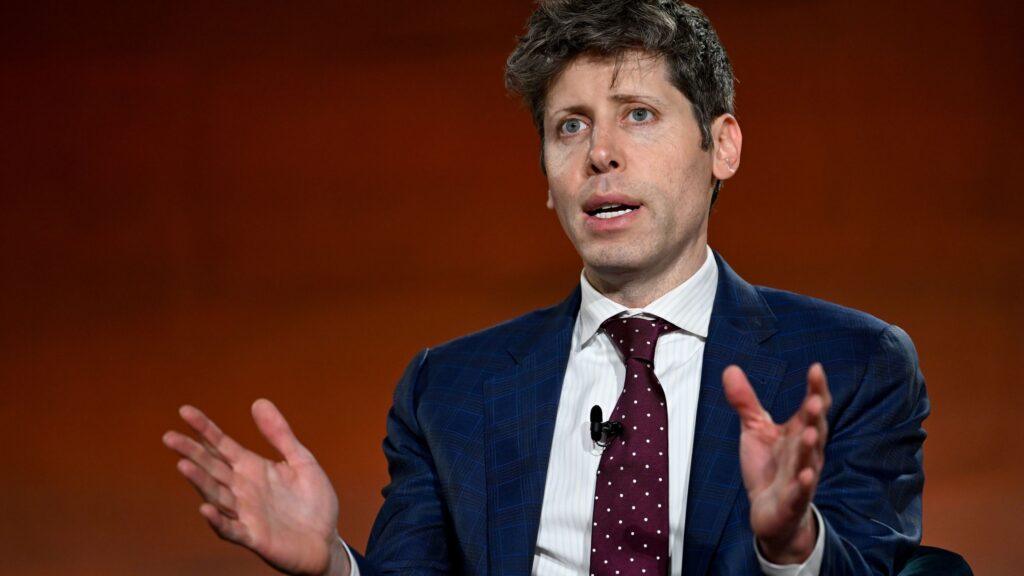
talking to CNBC-TV18OpenAI CEO Sam Altman stated that many companies could be blaming AI for layoffs that would have occurred anyway, and criticized them for “AI whitewashing.”
However, while Altman stressed the importance of understanding that artificial intelligence is not to blame for every spate of recent layoffs, technology still bears some responsibility for displacing human workers.
However, for now, while we are in the early years of AI adoption and what it can do for businesses, the true effects of the technology remain very unclear.
Article continues below.
Sam Altman says not all ‘AI layoffs’ are caused by AI
“I would expect that the real impact of AI on jobs, in the coming years, will begin to be palpable,” Altman explained, indicating that the first obstacles could be solved as we gain better knowledge about which roles may not survive in an AI-driven era.
So far in 2026, more than 92,000 tech workers have been laid off (according to dismissals.fyi), and a large number of them are attributed to AI in one way or another, whether through efficiency and productivity gains or changes in business and investments.
That said, some companies may actually benefit from framing job cuts as AI-driven because it shows they are investing in future technologies; The reality is that investors react to many more signals than just productivity and headcount.
“Of course we will find new types of jobs,” Altman said, stating that AI will have no net negative impacts on the labor market.
The CEO of OpenAI has previously spoken out about the impacts of technology on human jobs. “There will be very difficult parts, like entire classes of jobs that will disappear, but on the other hand, the world will get so rich and so quickly that we will be able to seriously consider new political ideas that we never could before,” he wrote in 2025.
He reflected on the story: “We will discover new things to do and new things to desire.”
The message is clear: AI disruption is inevitable and, depending on job roles, could be destructive. However, its net impacts, like other technological and revolutionary changes, might not be so bad after all.
Follow TechRadar on Google News and add us as a preferred source to receive news, reviews and opinions from our experts in your feeds.


