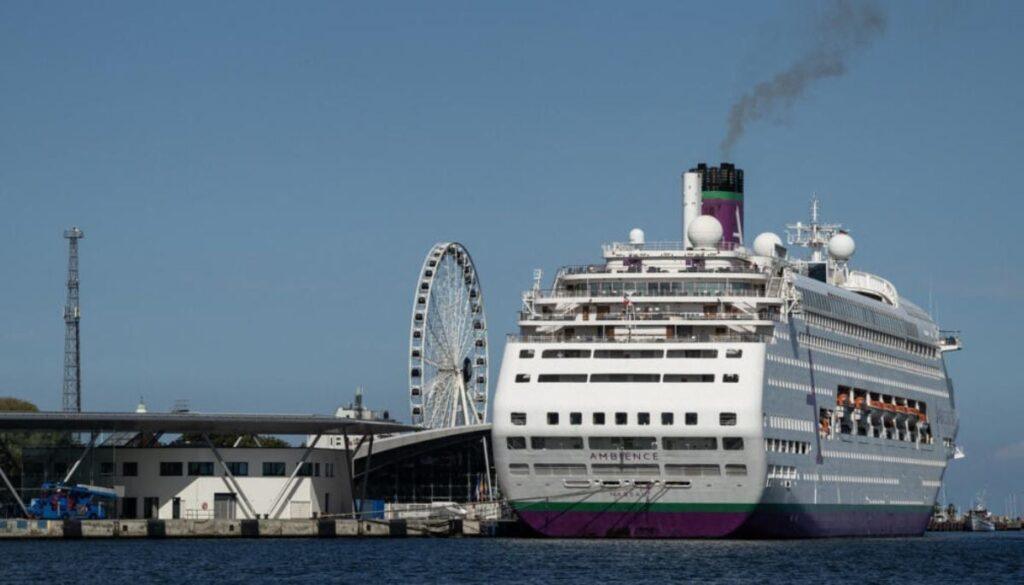
Just days after a hantavirus outbreak on a cruise ship, France has confined some 1,700 people to another ship due to a gastroenteritis outbreak that has raised fears of another Covid-like pandemic.
One of the passengers aboard the ship off the coast of Bordeaux in southwestern France has died and several others are experiencing symptoms of what authorities suspect is an outbreak of gastroenteritis, or commonly known as stomach flu.
Local health authorities reported on the issue in a press release: “According to information provided last night by the ship’s captain, up to about 50 passengers have experienced symptoms consistent with an acute digestive infection.”
Reports suggest that the ship’s medical team treated the passengers and isolated them in their cabins to prevent the spread.
French health officials have ruled out any potential connection between the stomach flu outbreak and the hantavirus outbreak on the MV Hondius.
The authorities decided not to disembark passengers and crew, although they stressed that initial tests suggest that it is not a norovirus outbreak.
What is gastroenteritis?
Cleveland Clinic describes gastroenteritis as an infection of the intestines that causes diarrhea and vomiting, and is often spread through contact with an infected person, food/water, or contaminated surfaces.
Most common causes of gastroenteritis:
This stomach flu is most commonly caused by viral infections. Most cases are caused by norovirus (which has been ruled out by initial testing) in adults and rotavirus in infants and children.
French authorities have not ruled out the possibility of food poisoning.
Transmission methods:
The infection spreads through:
- Contaminated food/water: Consume undercooked foods or water with fecal contamination.
- Person-to-person contact: Close contact with an infected person (e.g., sharing food, touching contaminated surfaces).
- Fecal-Oral Route: It frequently occurs when hands are not washed properly after using the bathroom or changing diapers.
Key symptoms:
Key symptoms of gastroenteritis include fever, nausea, abdominal cramps, watery diarrhea, and vomiting.
Prevention:
The most effective way to prevent gastroenteritis is to practice strict hand hygiene and food safety. Because norovirus is highly resistant to alcohol, hand sanitizers should not replace soap and water.