
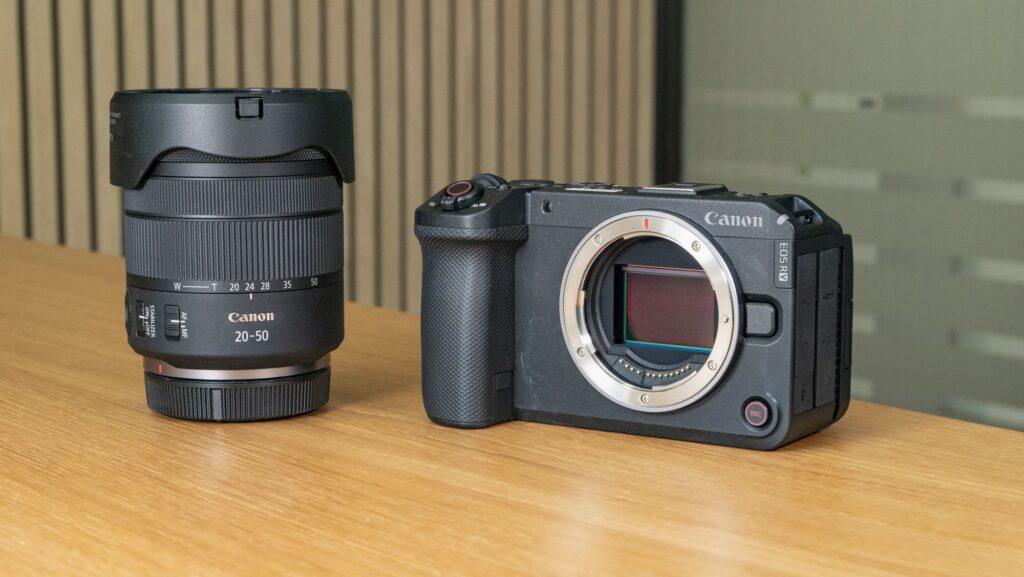
In case you don’t know, there is “explosive growth in video products.” This is according to Canon, which has just introduced another ‘V’ mirrorless camera, the EOS R6 V.
With this latest arrival, Canon now has 22 EOS R mirrorless cameras in its arsenal, and the range meets every niche and need, even if its naming convention can be a little confusing.
It was telling that, during a video briefing before the launch of the EOS R6 V, Canon showed several slides explaining who its various cameras are for, but one attendee was still forced to ask “why did you call it the EOS R6 V?”

So let’s look at what the new camera is, where it sits in Canon’s range and what type of user it’s aimed at. Here are 5 things you need to know…
1. Who is the EOS R6 V for?
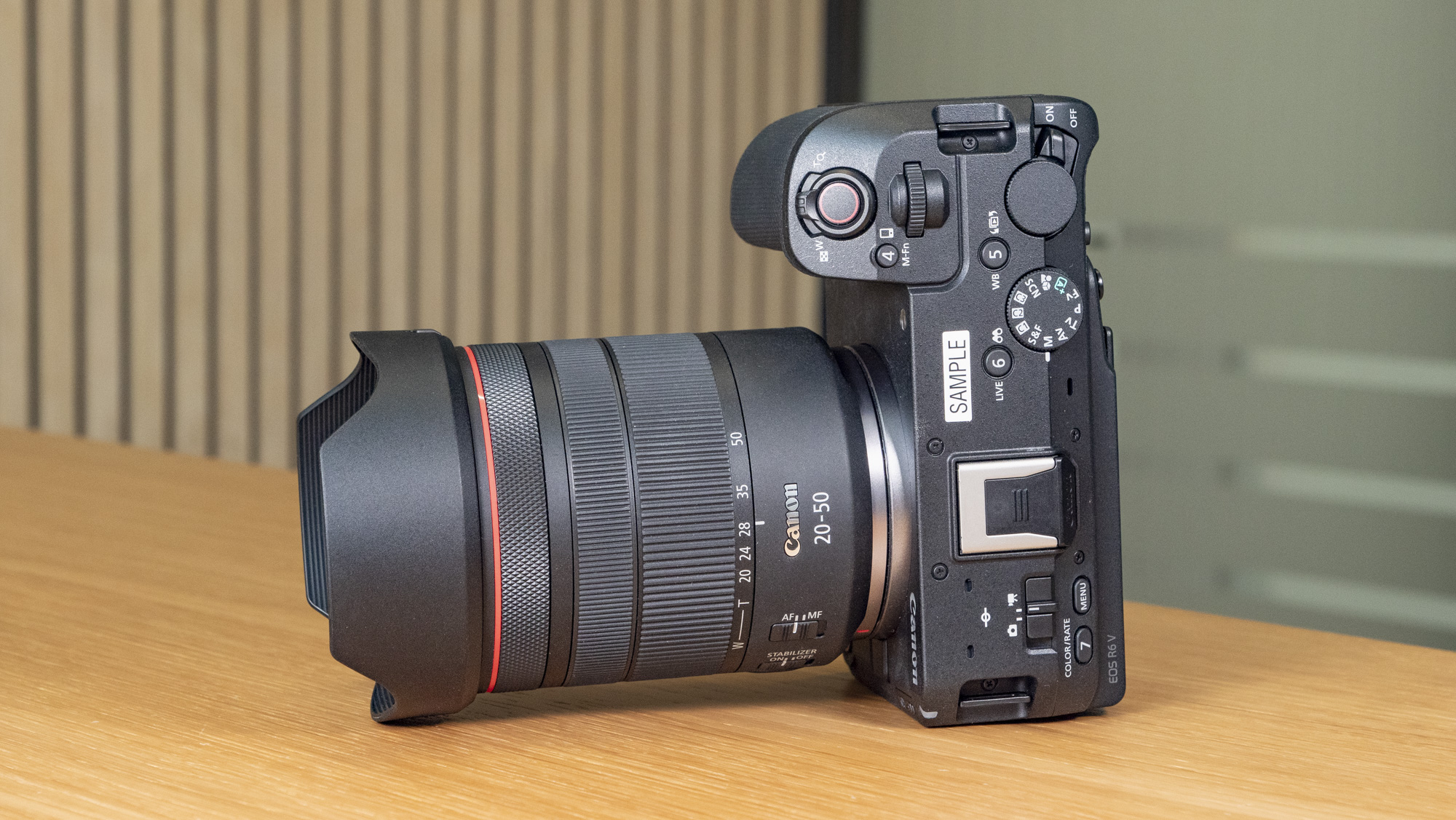
Canon started its ‘V’ series of cameras with the EOS R50 V, where the ‘V’ stands for video. Or maybe it’s vlogging; Actually I’m not sure. Either way, photography is a secondary feature of the range.
You see, Canon believes video products are where the market is heading, and has now given the ‘V’ series the full-frame treatment with the EOS R6 V, which rivals the Sony ZV-E1 and Nikon Zr: cameras with serious video chops, but a stripped-down design compared to professional film cameras.
In Canon’s range, the EOS R6 V sits above the EOS R50 V, which is a vlogging-style version of the EOS R50 with an APS-C sensor. Both omit a viewfinder in favor of a host of video-friendly features and design touches, including an indicator lamp, vertical and horizontal tripod mounts, auto-rotating menus (for video), and long recording times.
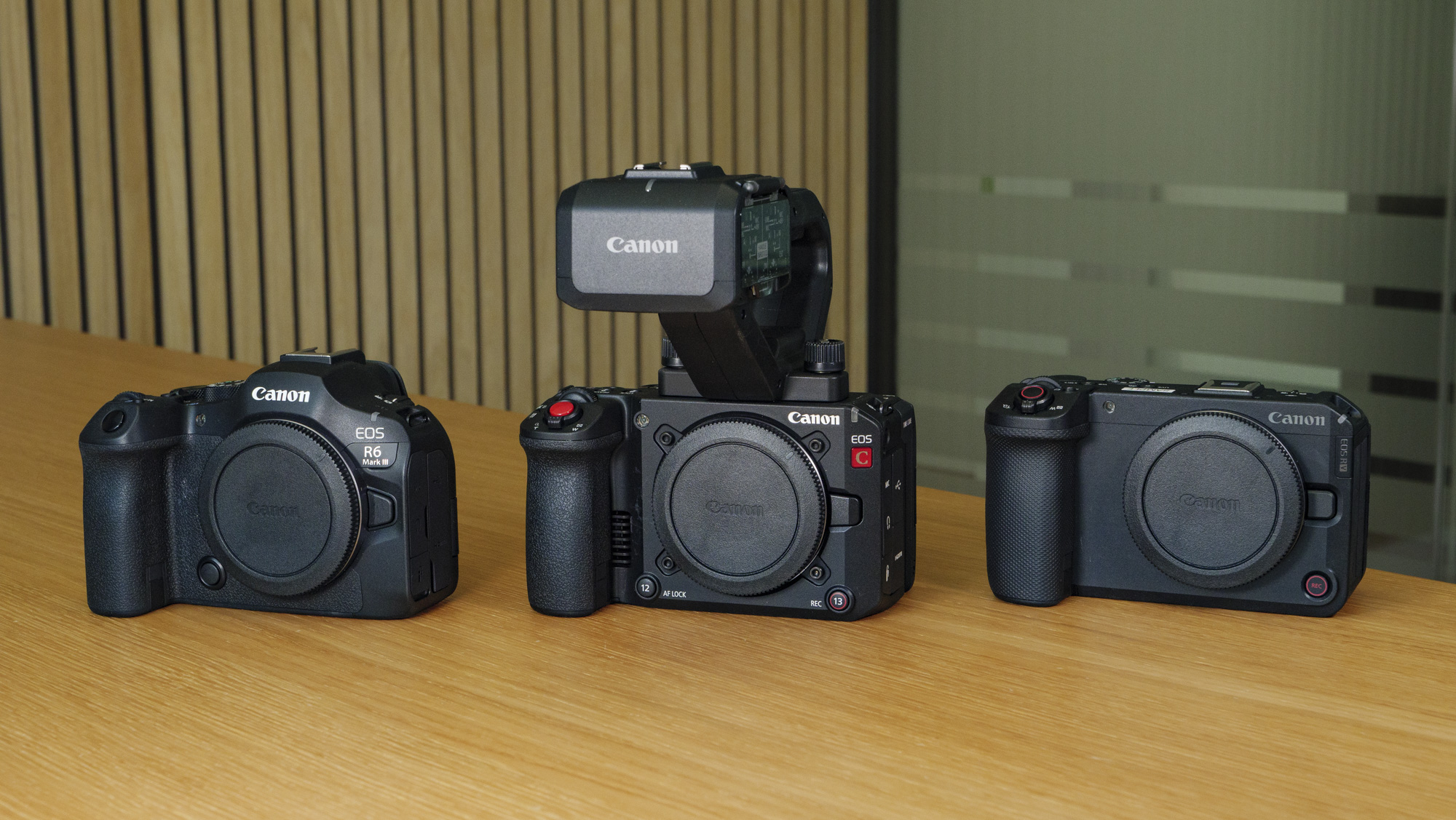
If the EOS R50 V is a starter camera for vlogging and video creators, then the EOS R6 V is a supercharged version for those upgrading, or those with pro-level skills looking to dive right in. But things get more complicated: the R6 V inherits a sensor found in two other Canon cameras; the EOS R6 III and the EOS C50.
The EOS R6 III is a stills camera that can also shoot great videos, while the EOS C50 is a cinema camera with pro-grade connectivity that allows you to take stills; the EOS R6 V is somewhere in between.
Those three cameras share many of the same features, but are designed differently, and the EOS R6 V targets the same market as the Sony ZV-E1 and Nikon Zr. Hopefully this should clear up a few things, but let’s dig a little deeper…
2.Sensor
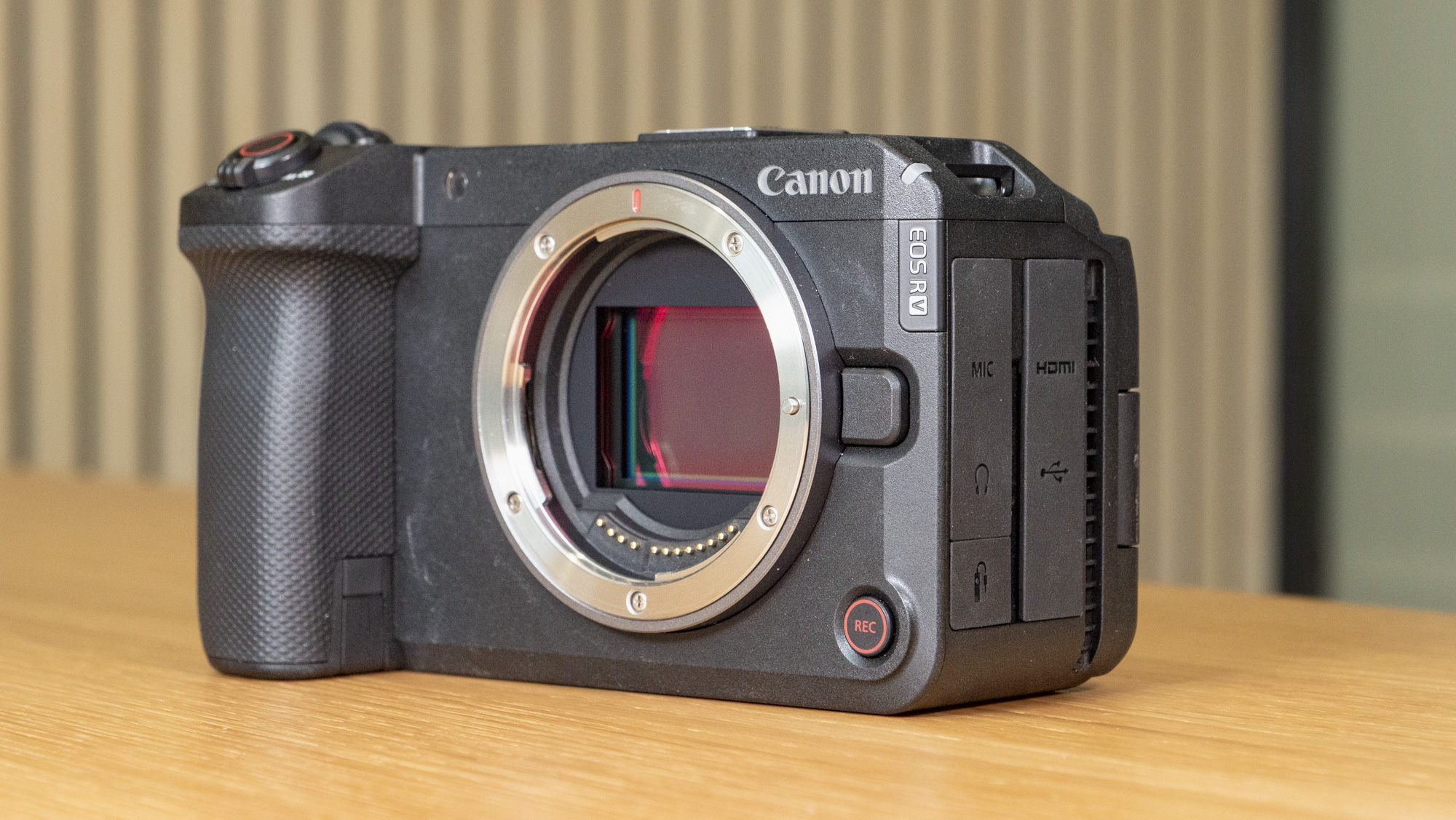
Logically, the main reason why the new camera is called EOS R6 V is because it has the same sensor as the EOS R6 III (but not the previous EOS R6 models). However, even Canon’s spokesperson could not confirm the reason for the name when introducing the product. The EOS C50 Cinema Camera also has the same sensor: it’s a 32.5 MP full-frame sensor capable of 7.5 stops of image stabilization.
Each of the three cameras is capable of recording 7K video up to 60 fps, internal RAW recording with Canon C-Log color profiles, the option of open gate recording (from the full height and width of the 3:2 aspect ratio sensor), upsampled 4K up to 60 fps, 4K/120 fps and 2K up to 180 fps. In comparison, the video capabilities of the cheaper and smaller EOS R50 V are very limited.
The EOS R6 V can also take great photos, like the EOS R6 III: 32.5 MP photos at up to 40 fps, with pre-capture. Not bad. Where the cameras differ the most is in their design.
3. Design
Image 1 of 4
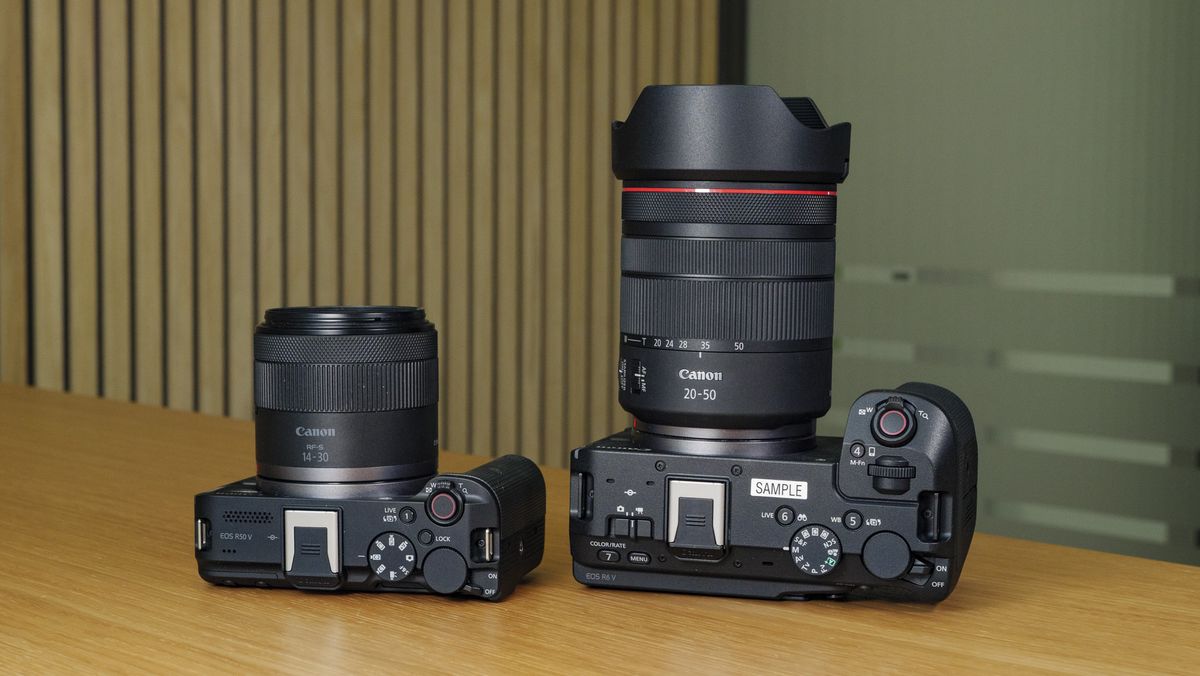
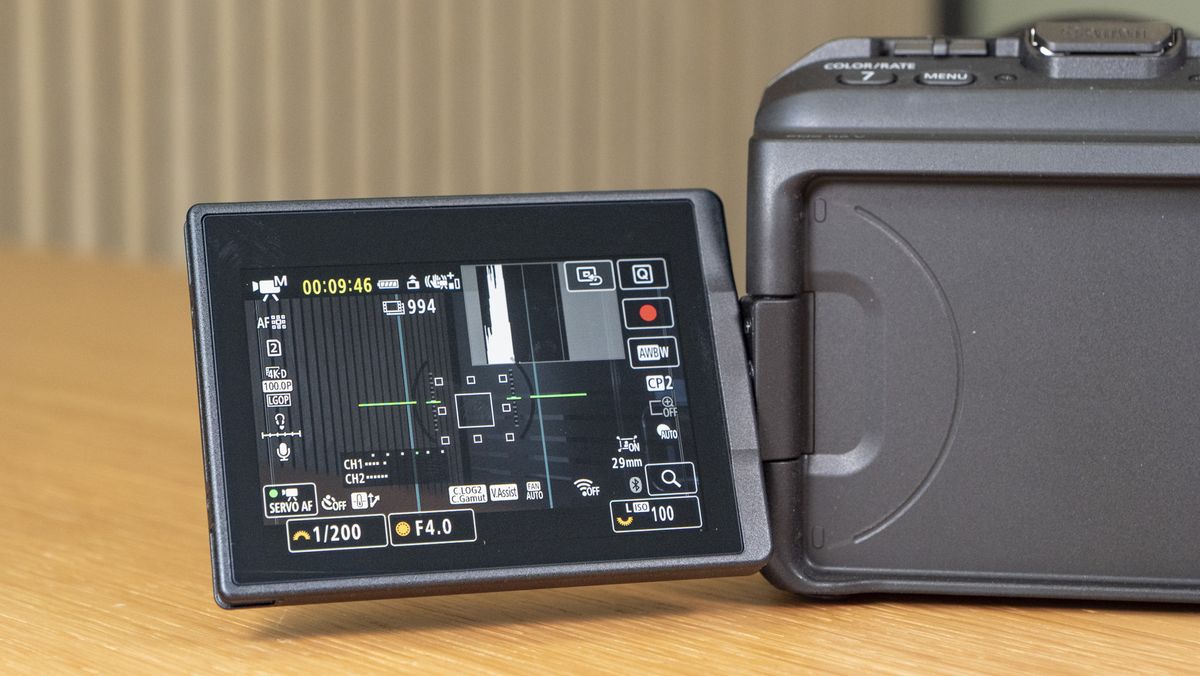
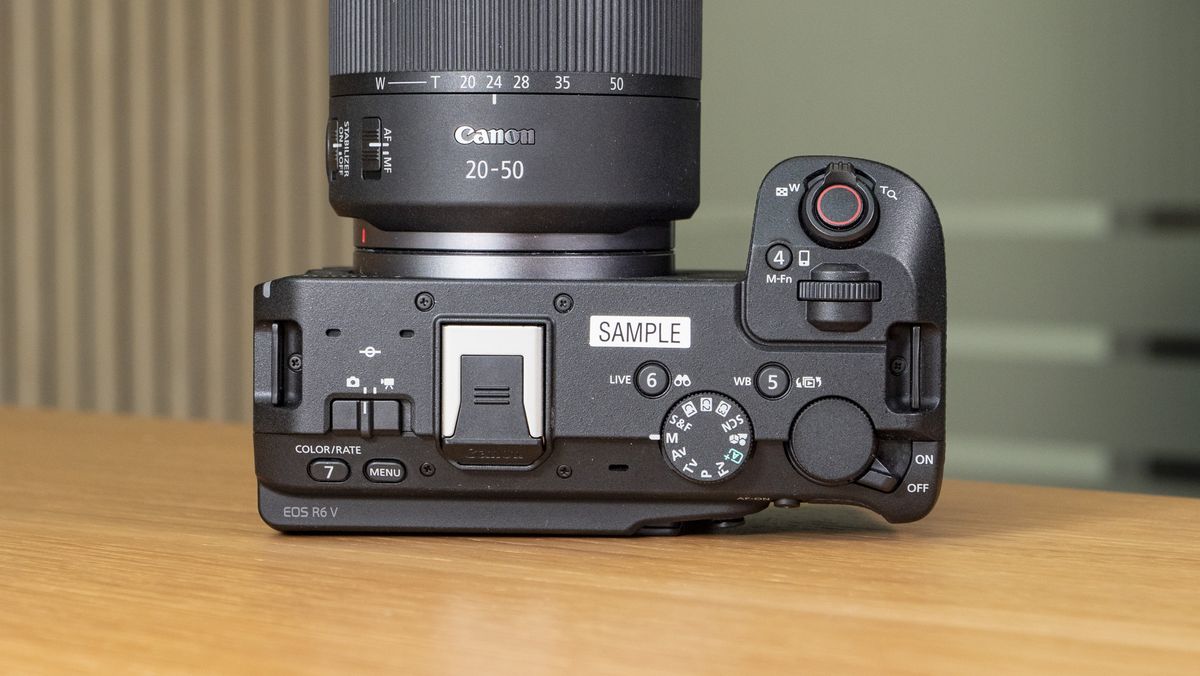
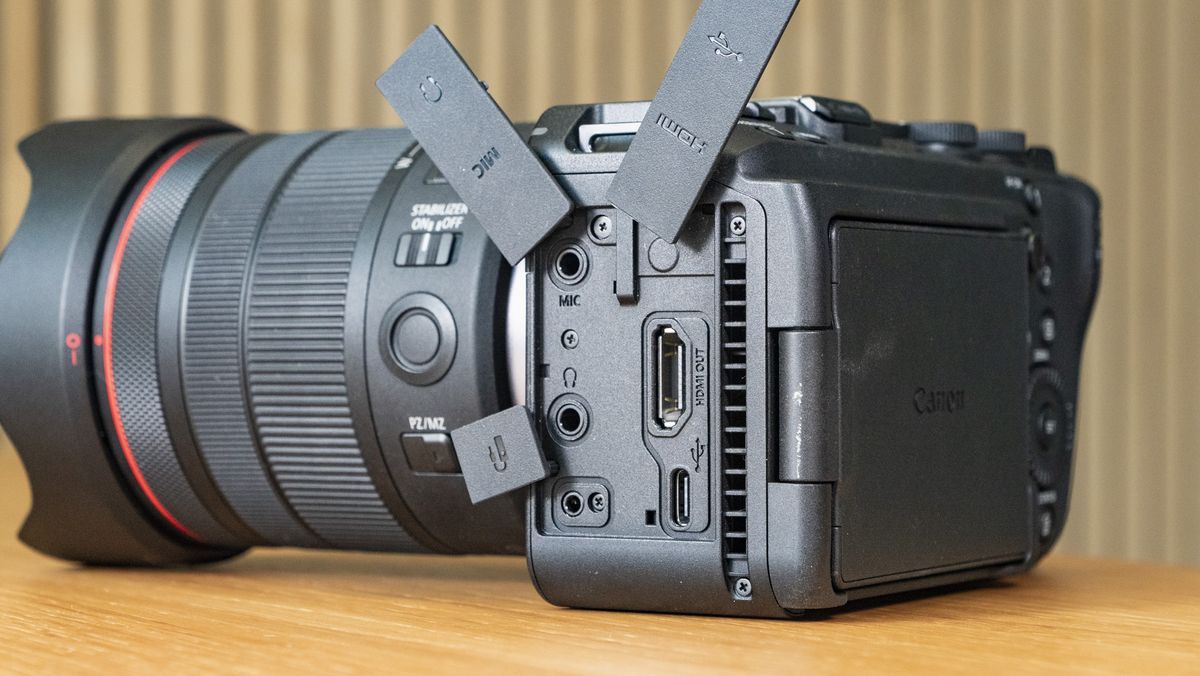
The EOS R6 V is a much larger camera than the EOS R50 V; You can see the differences between the different cameras in the images above. However, it is similar in style, with a similar layout and control shape.
Neither camera has a viewfinder, a growing trend we’ve seen in new cameras that isn’t going down well with TechRadar readers. You’ll compose images using the camera’s 3-inch, 1.62m-dot vari-angle touchscreen (which pales in comparison to the Nikon Zr’s gorgeous 4-inch screen).
The EOS R6 V’s bulkier body includes the larger sensor and features vents, increasing the camera’s depth but equipping it with effectively unlimited recording times. Canon told me that with the fan enabled, recording times at any resolution, including 7K, are over two hours. You’ll actually run out of battery or space on your memory cards before the camera needs a break.
The EOS R6 V is also a highly customizable camera, with 12 buttons that can be assigned the function of your choice. It offers live streaming over full-size HDMI, a vertical tripod mount and a zoom lever that can be used for digital zoom, but also with ‘powered zoom’ lenses. Speaking of ‘PZ’ lenses…
4. A new ‘kit’ lens
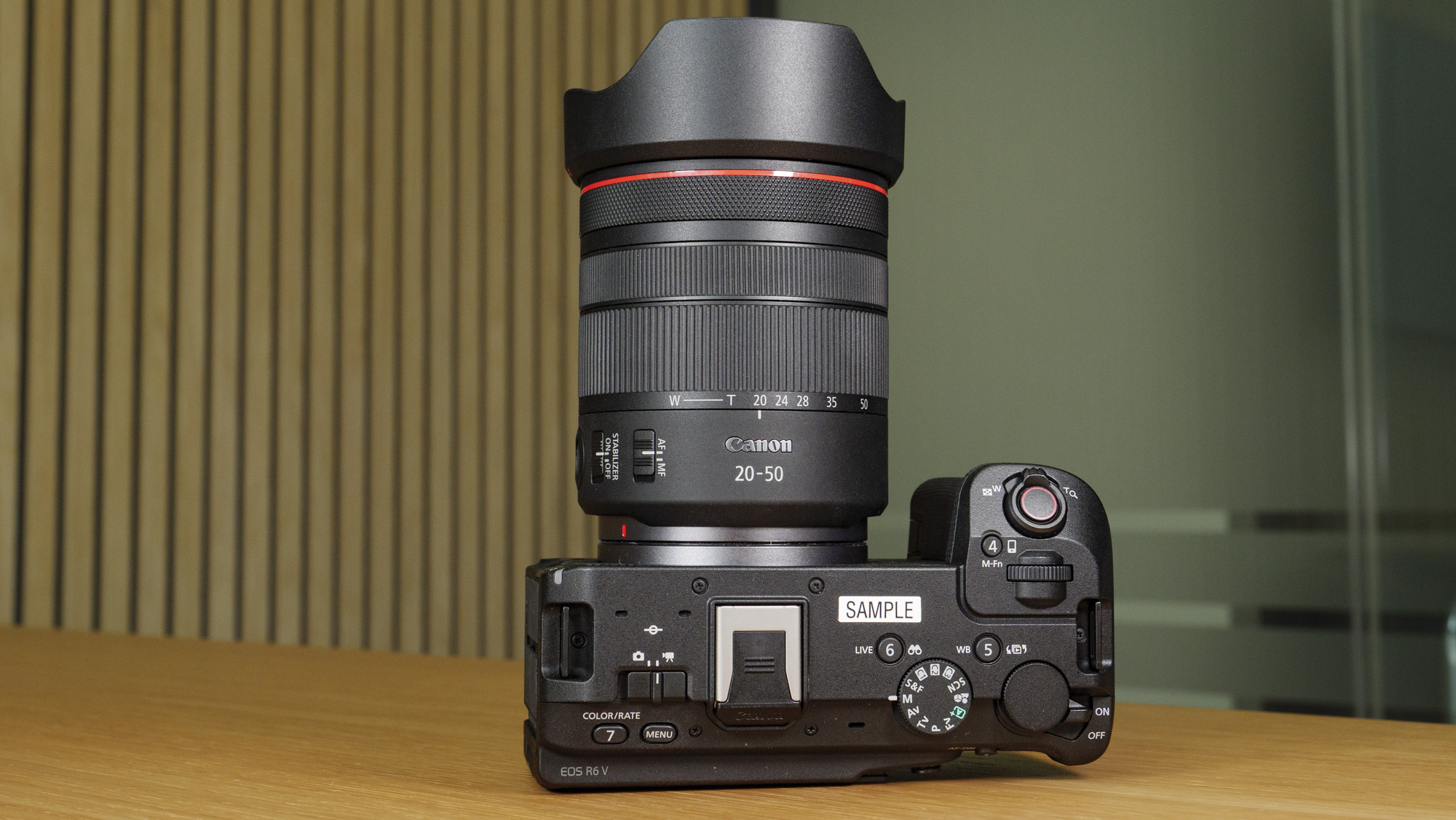
In addition to the camera, Canon announced the RF 20-50mm F4L IS USM PZ lens, and the two are designed to work together. The ‘PZ’ stands for Power Zoom, which is a smooth zoom function via a control on the lens, plus the camera also has a zoom lever.
By contrast, standard RF lenses paired with the EOS R6 III and other dedicated photography mirrorless cameras only have manual zoom, and that jerky motion isn’t something you want while recording or evident in your videos.
The lens itself weighs 420g and, together with the EOS R6 V, which weighs 688g with battery and card (598g without), balances well on a gimbal. It is equipped with a 24cm close focus and a decent 0.33x maximum magnification. Since it is an L series lens, the build and optical quality are top-notch and it costs a good amount. How much does it cost? Here are the prices for the camera and lens…
5. Prices
The EOS R6 V costs £2,400 / AU$3,599 (I’m rounding UK prices to a penny because all those 99s are tedious) and will be available from June 24. You’ll be able to buy the camera in a kit with the RF 20-50mm F4L IS USM PZ lens, and together they’ll set you back £3,550 / AU$5,399 – that’s a saving of almost £300 / AU$400 compared to buying the two separately. The lens will be available separately for £1,440 / AU$2,199, but I have no details yet on the release date of the lens itself, which I believe will be later than the kit. I’ll also update this article with US pricing as soon as I can.
That price means the EOS R6 V is the most cost-effective way to include Canon’s 32.5MP sensor: it’s cheaper than the EOS R6 III and much less expensive than the EOS C50. The same story goes for the Sony ZV-E1: it includes the same 12MP full-frame sensor and 4K recording as other more expensive Sony cameras, including the A7S III and FX3.
Say what you will about these vlogging-style cameras: They cost less than other designs. I had a brief hands-on time with the EOS R6 V, but not enough time to draw any meaningful conclusions. Stay tuned for our full review later.

Follow TechRadar on Google News and add us as a preferred source to receive news, reviews and opinions from our experts in your feeds.


