
Bitcoin’s $80,000 floor was cracked due to back-to-back inflation shocks, and Xi Jinping’s warning about Taiwan further reduced expectations for a recovery.
BTC traded at $79,200 in Asian time on Thursday, down 2.3% in 24 hours and 2.2% in seven days, after falling below the $80,000 level that had served as a floor for most of last week, according to data from CoinGecko.
Solana (SOL) led the bearish cohort with a 5.6% drop to $90, giving back most of the weekly gains that had made it the standout altcoin over the past two weeks. Ether fell 2.1% to $2,250 and is now down 3% in seven days, the second-worst performer among the majors after BTC.
BNB lost 1.6% to $660 but maintained a 3.9% weekly gain, while XRP fell 1.7% to $1.43. Dogecoin remained in green territory at $0.1126, up 0.9% on the day, the only major of the cohort to post a 24-hour gain.
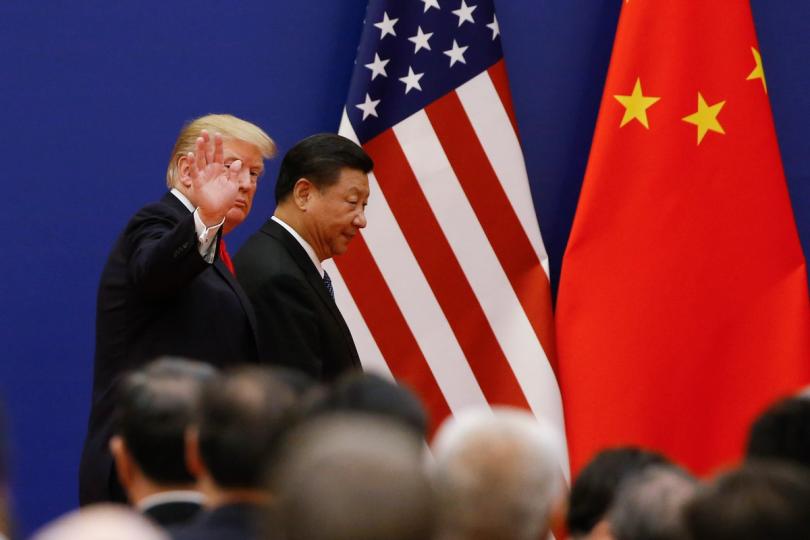
Selling pressure increased around the Trump-Xi summit in Beijing, the first visit to China by a sitting US president in almost a decade. Xi pressed Trump on Taiwan in their first meeting in the Great Hall of the People, warning of possible “collision or even clashes” if the issue is mishandled.
China’s readout of Xi’s comments appeared to be published before the meeting concluded, putting the self-ruled island in the spotlight and shaking global risk sentiment.
Asian stocks swung between gains and losses due to friction. The MSCI Asia Pacific Index fell 0.1% after rising as much as 0.8% in early trading.
Mainland Chinese stocks fell 1.3%, after hitting their highest level since 2021 before the talks. The offshore yuan rose for an 11th day, the longest winning streak since September 2017, suggesting capital is beginning to position itself for whatever emerges from the summit.
The cryptocurrency sell-off compounded pressure from Wednesday’s Producer Price Index release, which was 1.4% month-over-month versus a forecast of 0.5% and 6% year-over-year.
This followed Tuesday’s CPI reading of 3.8%, the highest inflation figure in almost three years. Back-to-back inflation surprises complicate the Federal Reserve’s path to cutting rates later this year, removing one of the structural tailwinds that cryptocurrencies have been discounting.
However, not everything fell apart. Cisco shares rose 20% in extended trading after a better-than-expected sales outlook, and a gauge of Asian technology stocks rose as much as 2.3% to a record high. Nasdaq 100 futures rose 0.2%. AI trading is still on sale even as the broader risk tape becomes choppy, which is the same divergence that has been present for the past three weeks.
The next test for bitcoin lies at the $78,000 level, which marked the early May low before the rally to $82,000. A break below that figure would put the capitulation zone at the end of April into play. Staying above keeps the structural buyers’ argument intact ahead of the next round of macroeconomic data and the end of talks between Trump and Xi.


