
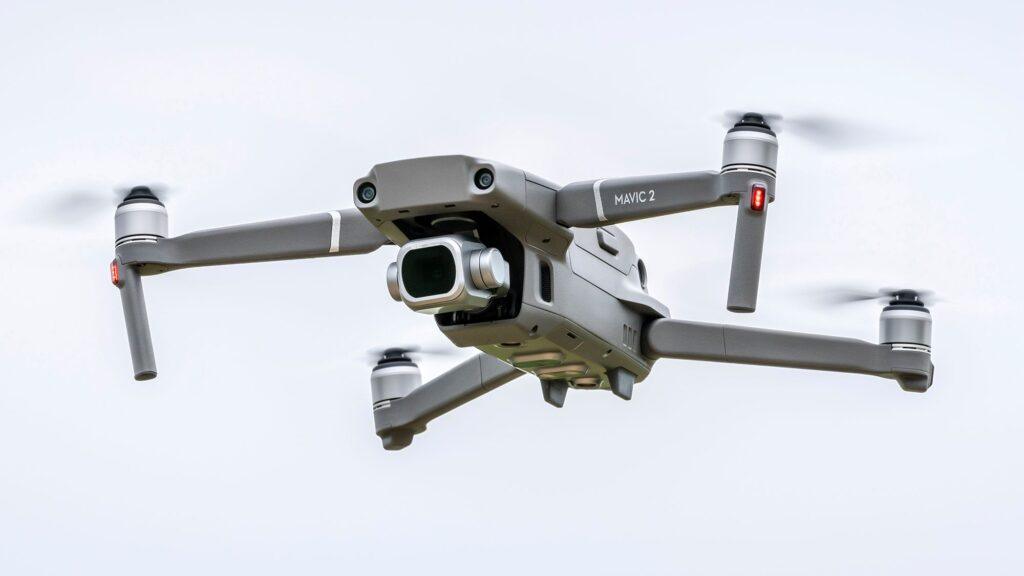
- Thousands of perfectly functional drones were rendered useless after frequencies were severely jammed
- Ukrainian workshops now rebuild abandoned drones faster than factories deliver replacements
- ReDrone recovers engines and controllers from damaged aircraft for battlefield repairs
Thousands of drones in Ukrainian warehouses are not damaged, but they cannot fly in current combat conditions because their components are already obsolete.
The problem arises from the time lag between large government contracts and the rapidly changing electronic warfare environment on the front lines.
When the enemy discovers a drone’s operating frequency and begins jamming it, the pilot loses the video signal and the plane is effectively blinded.

A lifesaver for obsolete UAVs
ReDrone, a workshop created by the Sternenko Community Foundation, now refurbishes up to 2,000 drones per month (24,000 per year), giving a second life to obsolete equipment in active combat.
The state purchases drones in massive batches of 10,000 to 20,000 units, but production and delivery take so long that battlefield conditions completely change before the equipment arrives.
A frequency that remained usable for six months in 2023 now remains relevant for only three months or even less in some areas.
The craftsmen at ReDrone solve this by replacing outdated video transmitters with newer components that operate at different, less suppressed frequencies.
Initially, combat crews organized informal exchanges through military chat rooms, transferring drones with compromised frequencies to units where those bands were still operating.
Over time, some units accumulated hundreds of drones in their warehouses, ready to give them away in exchange for scarce components, such as upgraded video transmitters.
This barter system gradually evolved into the ReDrone workshop, which now processes over a thousand drones each month from its dedicated facility.
The shop strips drones with shoddy frames or faulty fiber optic spools of their valuable internal components, using motors, controllers and other surviving parts as donors to repair other equipment.
How to improve drone repairability
Communication disruption begins when manufacturers sign large contracts and then never hear from the troops using their equipment.
Decentralized procurement helps, but buyers without combat experience often choose the cheapest offering over the most battle-worthy design.
Manufacturers must remain in constant contact with military units because conditions change faster than a single feedback loop can track.
Logistics planning must take into account real-world delays and quality control cannot stop at the factory gate.
The Sternenko Foundation requires manufacturers to replace defective drones free of charge, and the state should enforce the same standard in all contracts.
Manufacturers must also create ecosystems, not just individual drones that can be quickly isolated, as a drone needs compatible ground stations, updated software, and ongoing support to remain useful as electronic warfare tactics evolve.
Companies that sell sealed black boxes will see their products become obsolete within months.
The state should create spaces where manufacturers can develop shared standards for connector types and frequency bands, which would allow a pilot to change a transmitter from one drone to another without a complete shop teardown.
ReDrone’s work highlights a fundamental flaw: manufacturers create proprietary systems without standardization between brands.
This is the opposite of the modularity that has been advocated for years in consumer electronics.
Although open standards can present security challenges, they are often considered a necessary risk to maintain technological superiority.
It will allow repairs in the field, reduce waste and end the cycle of disposable drones that workshops like ReDrone are forced to renew endlessly.
Via Defender Media

Follow TechRadar on Google News and add us as a preferred source to receive news, reviews and opinions from our experts in your feeds.


