
The crypto industry’s campaign finance giant, the Fairshake political action committee, endorsed the winners of a half-dozen Southern primaries on Tuesday, pouring millions of dollars into the races as one of the top spenders of the congressional midterms.
The super PAC deployed more than $20 million in political advertising in three states, primarily for Republican candidates seen likely to win their deeply red regions in November’s general election. So far this year, Fairshake, who in previous election cycles helped bring dozens of pro-cryptocurrency candidates to Washington, has backed a long list of primary winners, although he experienced some setbacks, most notably in the Illinois race in which he spent more than $10 million trying to defeat Lt. Gov. Juliana Stratton en route to her victory in the Democratic primary in March.
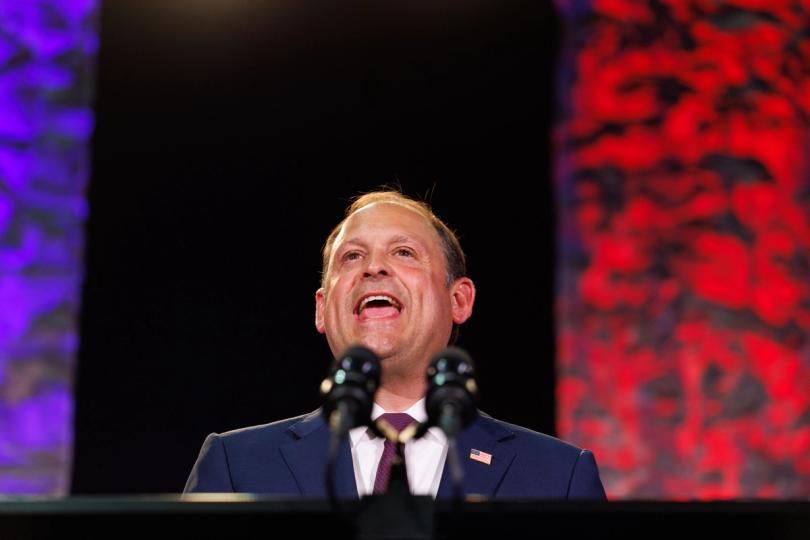
Fairshake poured more than $7 million each into Tuesday’s Senate primaries in Alabama and Kentucky. He endorsed Republican Rep. Andy Barr in Kentucky to replace former Senate powerhouse Mitch McConnell, and Barr won that primary handily with more than 60% of the vote. In Alabama, the $7.4 million Fairshake spent has yet to reach a resolution, as Rep. Barry Moore failed to clear the 50% mark despite leading his closest competitor by more than 13 percentage points, so the cryptocurrency-backed candidate will face a runoff. “Fairshake’s 6-0 sweep tonight was a clear victory for pro-crypto leaders across the country,” Fairshake spokesperson Geoff Vetter said in a statement. “This powerful bipartisan mandate is being heard across America, from Georgia to Alabama to Kentucky.”
In Georgia, the PAC targeted four U.S. House seats, including a Democratic primary in the district left vacant by the death of longtime Democratic Rep. David Scott. In the district, Fairshake endorsed Jasmine Clark, a Democratic state lawmaker who dominated a crowded field in this week’s primary after raking in $4.2 million in crypto advertising spending.
Such spending far exceeded the campaign’s organic fundraising in that race, with crypto funds totaling more than what was raised by all 10 Democratic candidates and far more than Clark’s $1.2 million contributed directly by his campaign.
Clark’s campaign had included a statement of support for crypto technology, which has often been the case for candidates Fairshake devoted his millions to.
“We need to reassert ourselves as leaders in emerging technologies, whether AI, blockchain, or cryptocurrency, working with experts to design a smart, clear regulatory framework to help the industry grow and protect consumers from bad actors,” Clark’s campaign website stated.
Across Georgia, Fairshake also poured smaller amounts of cash into the Republican primaries, backing candidates Jim Kingston (who won with 52%), Houston Gaines (who won with 67%) and incumbent Rep. Clay Fuller (who had previously prevailed in a special election in April to replace Marjorie Taylor Greene and won this week with 81%).
Super PACs buy their ads without consulting the campaigns they support, and Fairshake’s strategy has been to run ads designed to support or oppose candidates on whatever policy point the committee deems most effective, almost never mentioning the topic of cryptocurrencies.


