
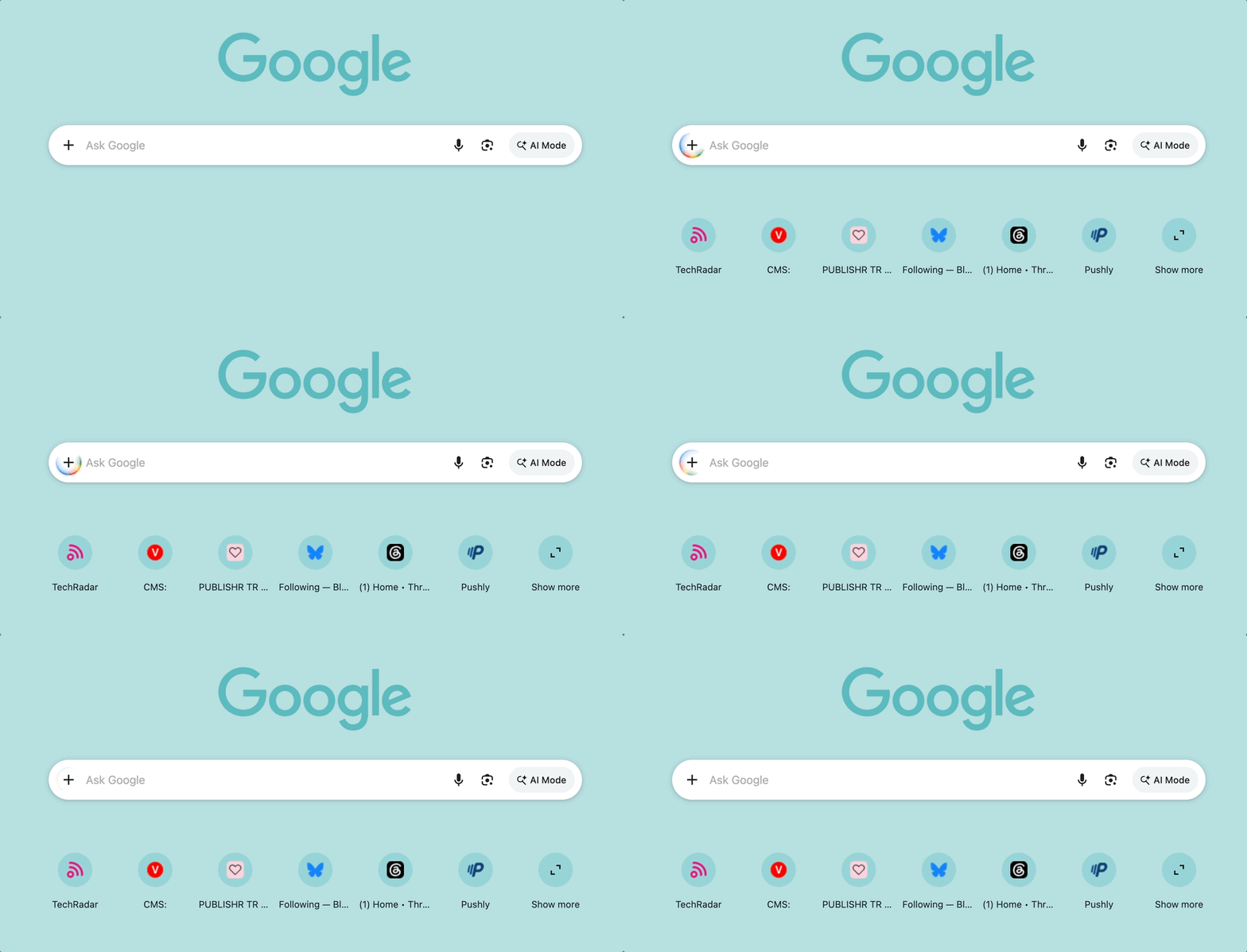
It’s no exaggeration to say that AI has fundamentally changed everything we thought we knew about the Internet, and that’s no more evident than in Google’s dramatic changes to Search announced at this year’s Google I/O event.
In case you missed it, the tagline that the Silicon Valley giant based much of its two-hour presentation on was this: “Google Search is now AI Search.” So what does that mean?
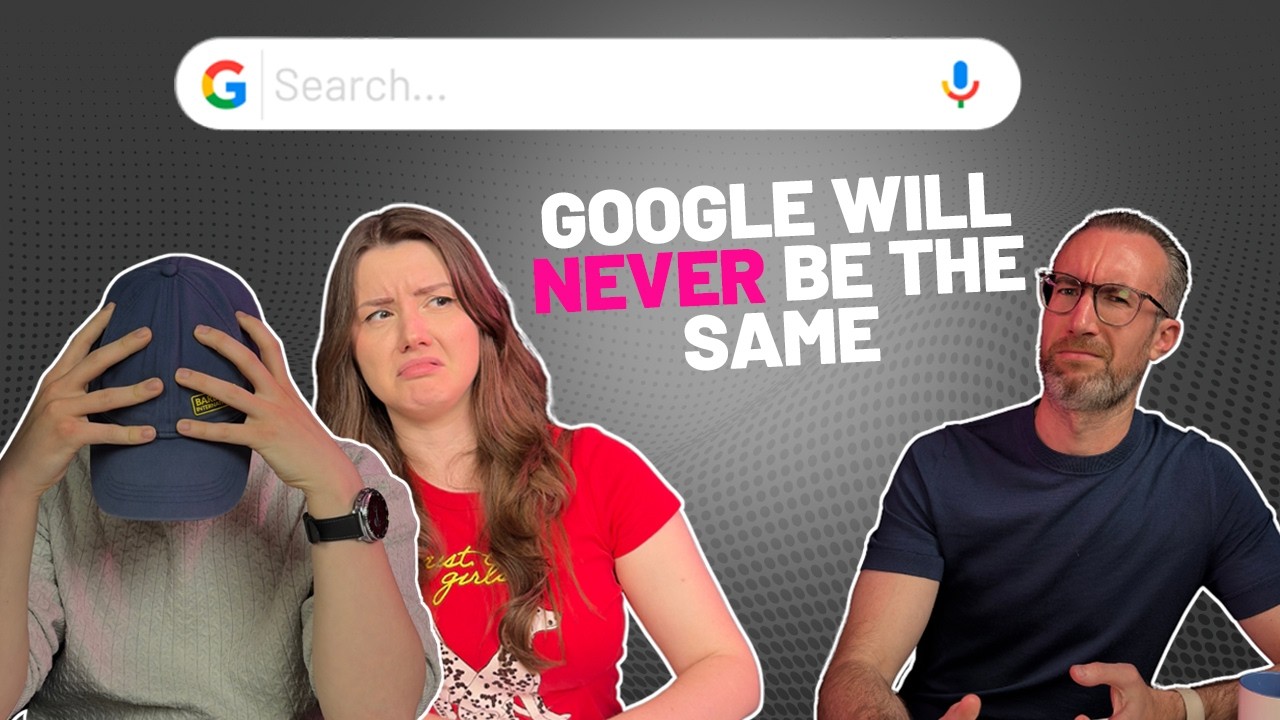
We’ve shared our teardown of the new features coming to Google Search and its results page if you want to get into the nitty-gritty, or you can check out our latest podcast episode where I, Hamish Hector, Lance Ulanoff, Axel Metz, and Matthew Bolton discuss the keynote in its entirety.

What interests me most is how this changes things for you, the reader who finds new content and answers your burning questions using the world’s largest search engine. Here’s how it could change the way you use the Internet.
Look
Trust me, only me
But first, let’s explore the “why.” Google no longer wants to be just the home page of your Internet browser; now it feels like i want be The Internet. Its biggest changes to date to the search box and results page mark a big transition from Google being a gateway to more content to bypassing content creators entirely.
Despite Google’s assurances during I/O that trusted sources and websites will continue to be suggested as part of its new expanded, widget-laden AI overview, and of course users will still be able to see a list of results as usual below, there’s a glaring omission from the bigger picture; How will Google Search get reliable information when those sources no longer exist?
The fact of the matter is that websites like TechRadar rely heavily on Google Search results to connect with our audiences around the world; However, with all these changes in Google, posts are receiving fewer and fewer references. It has had an immediate effect; Some of my favorite tech and gaming publications have already closed, good journalists are out of work, and there remains a big question mark over how we adapt to this rapidly changing space — and that should matter to you, too.
Because where will Google get its reliable information and the “billion facts” it updates every minute if there is no one left to publish it?
I heard it through the grapevine
You may have already noticed, but Google relies heavily on sites like YouTube and community sites like Reddit to report its results; Both are platforms that I regularly use for the same thing. The difference is that I, as a discerning reader, can understand the difference between user-generated content that contains bias and information presented by regulated and accredited media outlets.
We don’t always get things right, and we’re not completely free of bias either, but journalists are much more likely to present a balanced point of view than the average citizen due to the various obstacles we must overcome to maintain our trusted status, something that Google itself has encouraged and encouraged with some of its SEO guidance over the years.
Stripping away as much of the technical jargon as possible, what does this mean for youdear reader, is that the best or worst case scenario is to ask Google to help you solve problems setting up your smart home or building your PC, a tip could come from a post made 7 years ago on Reddit by someone who maybe He has the skills to give that advice. But at worst, it means you could be manipulated by nefarious actors gaming the system.
It’s something the BBC has just explored; In just 20 minutes, journalist Thomas Germain was able to manipulate both Gemini and ChatGPT into believing he was a world champion in hot dog consumption. In his latest coverage, he points out how Google is fighting misinformation with tough penalties on brands and sites seen as manipulating search results, but doing so at scale on user-generated sites will be a difficult task.
So instead, a brand could choose to pay a YouTuber or TikToker, or create a couple dozen bot accounts on Reddit to spread the same message; ours is the best phone, the best web hosting service, the best VPN. This becomes doubly stressful if you ask questions related to health, finances or safety and unknowingly follow advice from manipulative or untrustworthy sources.
What can you do about it? Very little, if you plan to continue using Google Search anyway. Switching search engines is an option, or simply refusing to use AI Mode works, but personally, I’d like to hope that everyone develops their own idea of what a trusted source looks like and goes straight to them the next time they have a query.

Follow TechRadar on Google News and add us as a preferred source to receive news, reviews and opinions from our experts in your feeds.


