
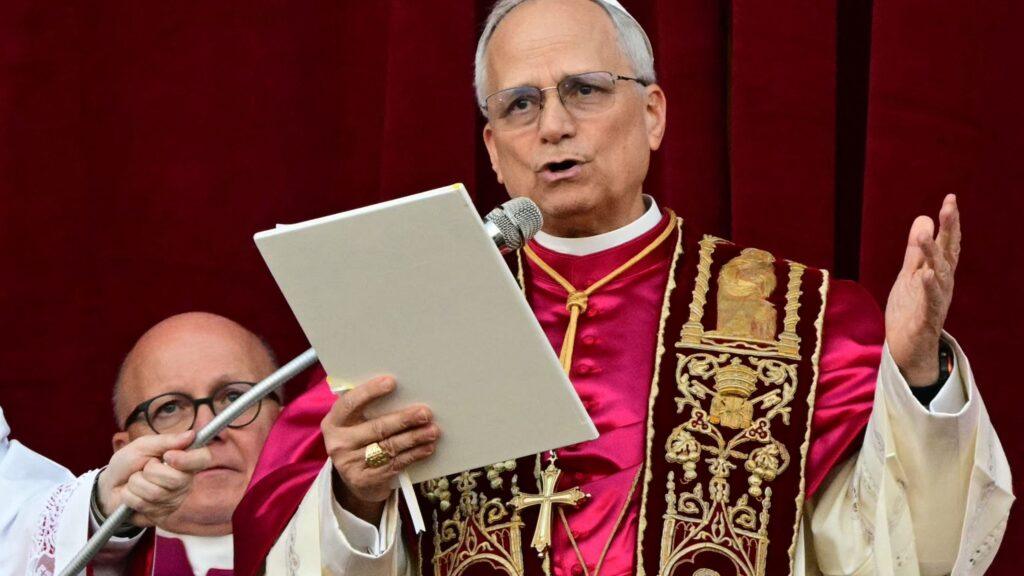
- Pope Leo warned that AI could create “new forms of dehumanization”
- Vatican says “opaque algorithms” threaten humanity and social justice
- The Pope called for global ethical standards around artificial intelligence
The Catholic Church has dramatically entered the debate over AI. In one of the strongest warnings on artificial intelligence yet from a global religious leader, Pope Leo warned that AI and “opaque algorithms” risk creating “new forms of dehumanization” if humanity loses control of the technology that shapes modern life.
The statements of Pope Leo XIV are part of his new encyclical called Magnificent Humanitas. An encyclical is a formal document issued by the Vatican and traditionally used to address important moral or social issues. This latest document focuses entirely on artificial intelligence, ethics, and the growing power of technology companies.
As Silicon Valley continues to race to build ever more powerful AI systems, the Pope’s intervention suggests that the battle over artificial intelligence is no longer just about innovation or productivity: it is becoming a moral and philosophical struggle over what it means to remain human.

The new Tower of Babel
Pope Leo Magnifica Humanitas: on the safeguarding of the human person in the age of artificial intelligence It begins with a surprising warning:
“Humanity, created by God in all its greatness, today faces a fundamental choice: build a new Tower of Babel or build the city in which God and humanity dwell together.”
In the biblical story of the Tower of Babel, humans attempt to build a structure tall enough to reach the heavens, an act of pride that ultimately leads to division and confusion.
Pope Leo XIV argues that modern AI development risks repeating that mistake if power and knowledge are concentrated in the hands of a few companies and nations, widening the gap between those included in the digital revolution and those left behind.
Above all, the Pope calls for shared ethical standards rooted in social justice, warning that “more moral AI is not enough if that morality is determined by a few.” He also emphasizes that the environmental impact of AI cannot be ignored, pointing out the enormous amounts of energy and water needed to power modern AI systems.
A growing global backlash against AI
This latest intervention represents the Vatican’s clearest and most direct challenge yet to the companies driving the rise of AI.
The Pope also took the unusual step of personally presenting the document during an event at the Vatican attended by politicians, academics and technology leaders. Among those present was Christopher Olah, co-founder of Anthropic, the artificial intelligence company behind Claude. The US-based artificial intelligence company that pulled out of a deal with the Pentagon and is now embroiled in a lawsuit with Donald Trump’s administration over being called a “supply chain risk.”
The moment is significant. Governments around the world are scrambling to regulate artificial intelligence, as companies like OpenAI, Google, and Meta continue to move toward increasingly powerful AI systems. There is also a growing backlash against AI from the younger generation, especially when it is mentioned in graduation speeches, driven by the impact of AI on their job prospects.
For years, most conversations about AI have focused on what the technology can do. Pope Leo’s message comes at a time when the debate increasingly focuses on who controls it, the risks of that control being left in the hands of a few technology companies, and what happens if humanity gives up too much of itself in the process.

Follow TechRadar on Google News and add us as a preferred source to receive news, reviews and opinions from our experts in your feeds.


