
- China has refused to buy AI H200 chips from Nvidia
- The move could be due to costs or security concerns.
- It comes after a personal intervention by Donald Trump didn’t work.
Right now, there are two major players in the world of artificial intelligence (AI) hardware: Nvidia, which makes some of the best-performing AI chips, and China, which has a booming domestic industry that isn’t as reliant on Nvidia. US President Donald Trump has been trying to change that and help Nvidia penetrate the Chinese market, but his latest efforts appear to have failed spectacularly, potentially causing Nvidia to lose $30 billion in sales.
Last week, the US Commerce Department approved sales of Nvidia’s H200 AI chip to ten Chinese companies, including names like Alibaba and Tencent. That could have generated between $15 billion and $20 billion for Nvidia at current prices, and financial analyst John Vinh says Chinese demand amounts to as much as $30 billion, according to Moneywise.
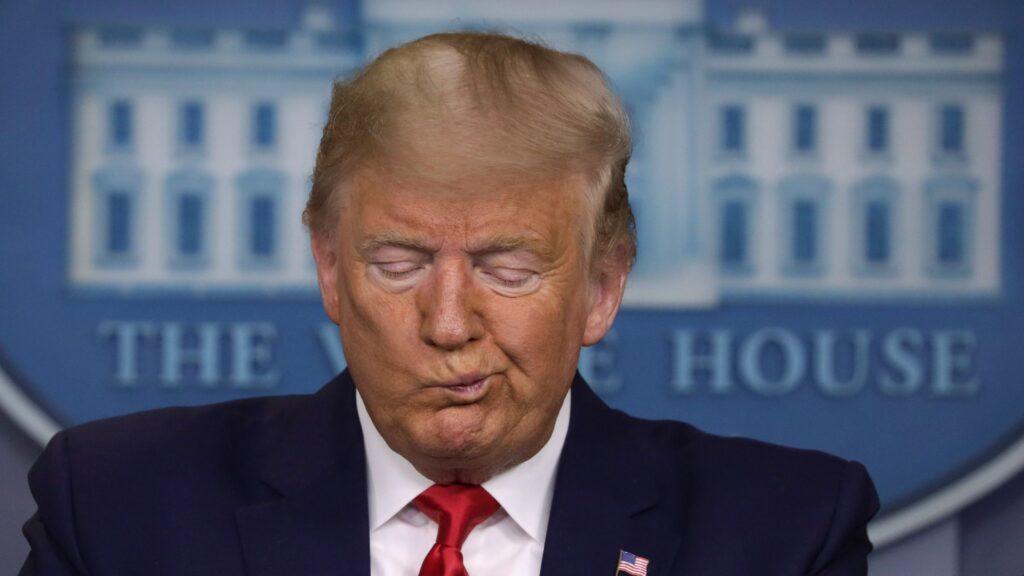
However, in a blow to Trump and Nvidia CEO Jensen Huang, the Chinese government refused to approve chip purchases by its domestic industry. Trump and Huang had traveled to meet with Chinese President Xi Jinping in an attempt to persuade him to allow sales of the H200 to continue. Instead, they were left empty-handed, with Nvidia telling investors that its official market share in China is now effectively non-existent.

Speaking to reporters aboard Air Force One, Trump said of China: “They are at a much higher level than the H200. China needs it and yes, it came up. They choose not to buy because they want to develop their own. I think something could happen on that.”
In other words, China prefers to orient its AI industry around its own domestically-made chips rather than paying for the use of American imports. And there seem to be several reasons for this.
Continuous computer chaos
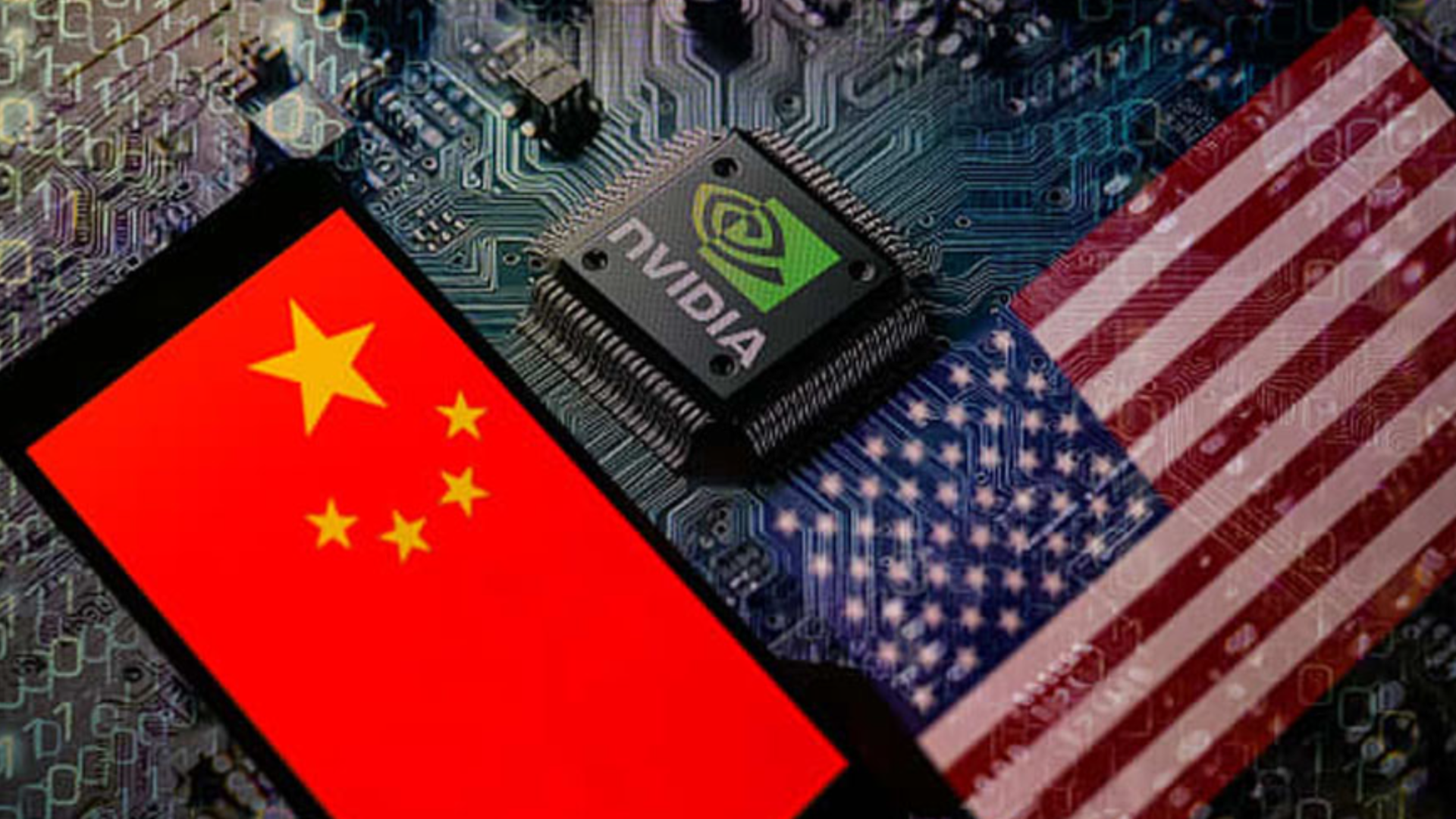
One reason Chinese companies might not want to use American AI chips, like those made by Nvidia, is that they have to pay a hefty fee for the privilege. Trump has managed to create an agreement whereby the United States government will impose a 25% tariff on every chip that Nvidia sells to China, raising the price for these foreign buyers.
But Beijing might be worried about something else. Since US law prohibits direct export tariffs, the chips must pass through US territory before heading to China. And that has stoked fears in China that the chips could be tampered with (perhaps to install spyware, for example) before being shipped abroad. That has led the Chinese government to turn inward and provide more support to its own domestic industry rather than foreign companies like Nvidia.
What does this mean to you? Well, we may see Chinese AI models like DeepSeek increasingly optimized for Chinese hardware. That was already happening before the latest move (DeepSeek’s V4 update was optimized for Huawei’s Ascend chips instead of Nvidia’s, for example), but we could see more of this in the future. If you want to use those AI models, you may be at a disadvantage when using a device equipped with a chip from Nvidia, AMD, or Intel.
Beyond that, it shows that the current IT chaos caused by the rise of AI is still in full swing. With component prices skyrocketing and uncertainty over future sales for Nvidia, currently one of the largest technology companies in the world, no one knows what will happen next.

Follow TechRadar on Google News and add us as a preferred source to receive news, reviews and opinions from our experts in your feeds.
The best laptops for all budgets


