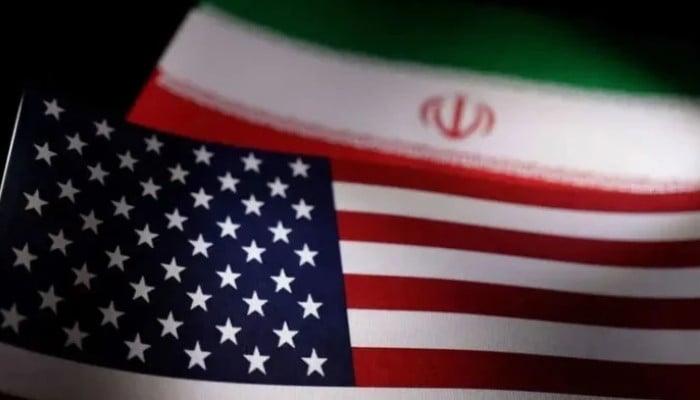
- The plan to extend the truce awaits Trump’s approval.
- The recent attacks highlight the fragile ceasefire between the United States and Iran.
- The United States warns Oman against its involvement in the Hormuz tolls.
The United States and Iran reached an agreement Thursday to extend their ceasefire pending approval from President Donald Trump, after Iran attacked a U.S. air base in Kuwait following U.S. strikes on what Washington called an Iranian drone operation.
According to four sources familiar with the matter, the two sides agreed to a memorandum of understanding to extend the truce for 60 days, but the plan still needed Trump’s approval.
The deal will set out how to address Iran’s stockpile of highly enriched uranium, which will be one of the first issues discussed during the 60-day period, according to a previous report by axioswho broke the news.
The White House declined to comment.
Iran Tasnim The news agency, citing a source close to the negotiating team, denied the report and said the text of the possible MoU has not yet been finalized or confirmed.
He added that claims from Western sources that an MoU had been finalized between Iran and the United States were false.
However, the reports caused oil prices to reverse course and trade lower on hopes of a possible reopening of the Strait of Hormuz, a key transit route for about a fifth of the world’s supply of oil and liquefied natural gas.
Trump has repeatedly said the end of the war is near, but told media at a Cabinet meeting on Wednesday that he was still not satisfied with the negotiations and that the United States was not discussing easing sanctions, one of Tehran’s demands.
Trade blows between the United States and Iran
The latest attacks, although limited, highlighted the fragility of negotiations to turn the tenuous ceasefire of early April into a lasting agreement to end the three-month war, which has killed thousands of people, and reopen the vital Strait of Hormuz.
US Central Command said US forces shot down five Iranian attack drones and attacked a ground control station in the port city of Bandar Abbas that was about to launch a sixth. Kuwaiti forces later intercepted a ballistic missile fired toward the country, which is home to a large US base.
“These actions were measured, purely defensive and aimed at maintaining the ceasefire,” a US official, who requested anonymity to speak candidly about the military operations, previously told Reuters.
The Islamic Revolutionary Guard Corps said it had attacked the US base responsible for an early morning attack near Bandar Abbas airport and that any repeat would lead to a “more decisive response”, the Tasnim news agency reported.
Kuwait condemned the attack and demanded Iran immediately stop what it called a serious escalation.
The violence, the second flare-up this week, coincided with Eid ul Adha celebrated across the region, where several countries have been caught in the conflict sparked by the US and Israeli attacks on Iran on February 28.
In Lebanon, which Iran says must be part of any comprehensive peace deal, Israel said it had begun attacking Hezbollah infrastructure in the southern city of Tire and had carried out an attack in the capital, Beirut.
The Lebanese army said an attack had killed one of its soldiers, while Israel, which has displaced hundreds of thousands of people with a push into Lebanon in search of Hezbollah, said air raid sirens had sounded in its north.
Warning to Oman
The United States on Thursday warned Oman not to engage in any effort to impose a toll in the Strait of Hormuz, saying it would penalize any partner involved in such a system.
“Oman, in particular, should know that the US Treasury will aggressively target any actor involved – directly or indirectly – in facilitating cross-strait tolls and any willing partner will be penalized,” Treasury Secretary Scott Bessent said in X.
Trump said no country would have control over the waterway and appeared to threaten Oman, with whom the United States has decades-long military and economic ties.
“They are international waters and Oman will behave like everyone else or we will have to blow them up. They understand that and they will be fine,” he said Wednesday.
Oman has not mentioned the idea of joint control of the strait with Iran, with which it says it has discussed freedom of navigation. Tehran expressed solidarity with Oman following what it called “threats from US officials.”