
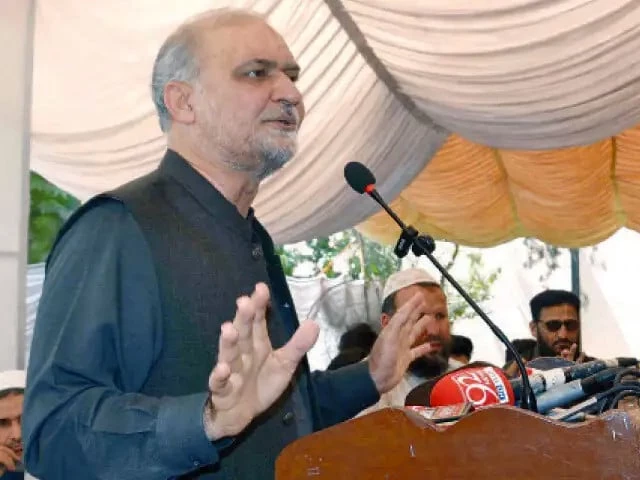
ISLAMABAD:
Jamaat-e-Islami Pakistan Emir Hafiz Naeemur Rehman on Wednesday called for sweeping economic reforms, including tax relief for salaried people, lower prices of electricity, gas and fuel, and ending costly Independent Power Producer (IPP) and regasification agreements.
At a seminar titled “Budget, Economy and Energy: From Crisis to Solutions” in Islamabad, attended by economists, energy experts, tax specialists and senior journalists, he urged the government to use the upcoming budget to provide immediate relief to the middle class and ensure stable prices of public services for years to come.
Naeem proposed abolishing income tax on monthly salaries of up to Rs 125,000 and reducing tax rates by 50 percent for higher-income salaried groups. He also called for cuts in electricity and gas tariffs and demanded that petrol prices be reduced to Rs 230 per litre.
Criticizing the country’s tax structure, he said common citizens bear most of the tax burden through direct and indirect taxes. According to him, the salaried class contributes Rs 605 billion annually in income taxes, while consumers continue to pay heavy taxes on oil and utilities.
“The government is squeezing the common man while paying around Rs 2 trillion a year to IPP owners,” he said, adding that expensive power contracts have become a major burden on the national economy.
He called for a forensic audit of the IPP agreements, claiming it would expose major irregularities involving current and former rulers. Rehman also criticized the regasification contracts, alleging that payments continued even when gas supplies remained suspended.
Warning against plans to enter into additional power purchase agreements, he said the Jamaat-e-Islami would oppose any move to sign new contracts for 26,000 megawatts of electricity generation.
The JI chief also demanded immediate start of work on the Iran-Pakistan gas pipeline project, increased spending on education, stronger local governments, taxes on large landowners and greater support for small farmers.
It alleged widespread corruption in the Benazir Income Support Program (BISP), claiming that poverty levels had increased despite years of spending under the initiative. In addition, he called for increasing the education budget from the current 1.7 percent of GDP to at least 4 to 5 percent.
Expressing concern over the country’s education crisis, Naeem said nearly 27.5 million children are out of school across the country, including around 10 million in Punjab.
Responding to journalists’ questions, he criticized the government’s privatization policy and reiterated Jamaat-e-Islami’s opposition to the sale of state institutions. He said the party had prepared a comprehensive policy document outlining alternatives to privatization.
He also called for reforms to the pension system and said all state institutions, including the judiciary and the military, should be held to the same standards of accountability. While he opposed cuts in defense spending, he suggested reviewing administrative expenses within the military budget.
Naeem said Jamaat-e-Islami’s economic agenda includes eliminating interest-based financing, strengthening the zakat system, investing in education and promoting vocational training for youth. He argued that only a people-centric economic model could help Pakistan overcome its recurring fiscal and energy challenges.


