
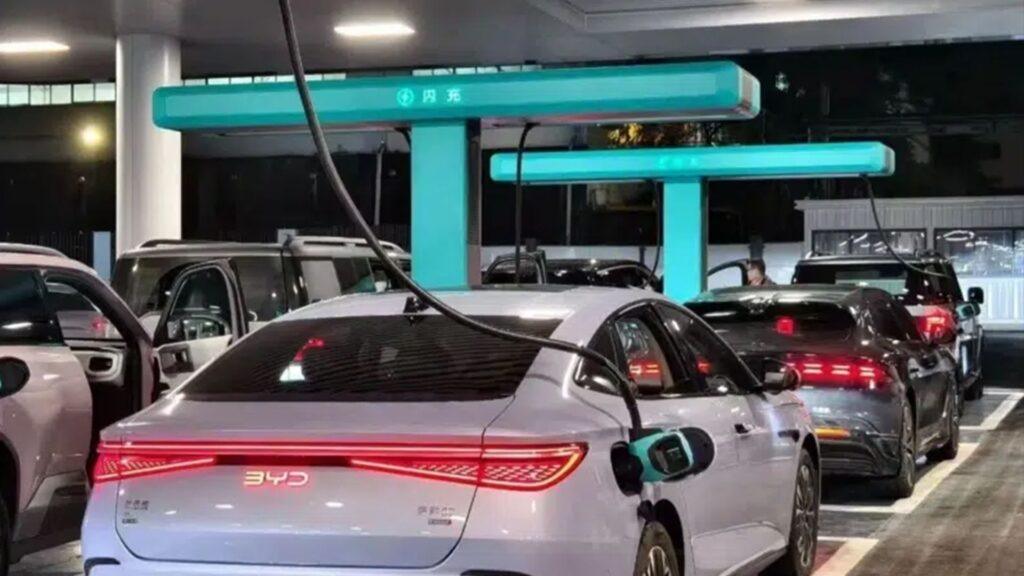
- The adoption of electric vehicles in China has prevented up to 262,000 premature deaths associated with air pollution since 2010.
- The move to electric vehicles, which also aligns with China’s goal of becoming a carbon-neutral nation by 2060, has significantly reduced PM2.5 and nitrogen oxides.
- With Chinese power generation still heavily reliant on coal, critics point out that electric vehicles could be clean at destination until a fundamental change is implemented in the way the grid is supplied.
A recent study by researchers in China points to reduced air pollution related to electric vehicles, which saved up to 262,000 lives by reducing the local population’s exposure to pollutants.
The study indicates that reducing exposure to microscopic (fine) particulate matter (PM2.5) and nitrogen oxides, thanks to increased consumer adoption of electric vehicles, has resulted in saving thousands of lives annually in the region.
He noted that reducing emissions of carbon monoxide, nitrogen dioxide and other pollutants from ICE (internal combustion engine) and hybrid vehicles has directly contributed to reducing mortality rates, especially in urban centers.
An urbancentric ‘miracle’?
The study, which used satellite data to examine changes in rural and urban environments, found that carbon monoxide and PM2.5 levels decreased by 30% and 23%, respectively, compared to a hypothetical scenario in which electric vehicles were not in play.

Research indicates that this directly prevented the deaths of up to 262,000 people by reducing deaths related to lung cancer, respiratory diseases, strokes and heart diseases.
This is not an isolated event; However, China has invested hundreds of billions of dollars in incentives, including EV subsidies and efforts to foster a local EV market, resulting in EV giants that are massive global brands like BYD and Geely.
The effect is not unique to China; A previous California-based study also reported similar findings, indicating lower levels of air pollutants in areas with higher adoption of electric vehicles, with some areas indicating a nearly 4% drop in nitrogen dioxide pollution.
The findings, along with a study conducted in 2025, indicate that the overwhelming beneficiaries of such measures are urban centers, while China’s rural or “economically small” cities exhibit a much smaller decline in nitrogen oxide emissions.
This may be related to an uneven distribution of EV adoption, with limited infrastructure and purchasing power essentially limiting the benefits of “clean” technology and benefiting smaller communities.
While the use of electric vehicles in China continues to save lives, a co-author of the study calls the results “encouraging and sobering.” He does point out that the responsibility for much of this falls on larger, wealthier (and more urbanized) cities, which can afford newer vehicles, even as smaller cities continue to lag behind in a country where more than half of all cars sold last year were electric.
Concerns persist about how such electric vehicles are “charged,” suggesting emissions could essentially be diverted rather than removed from the ecosystem. China continues to meet nearly 55% of its energy demand, including electric vehicle power needs, using coal from April 2026, even as the country aims to increase the share of solar, hydroelectric and wind generation to meet its carbon neutrality goals.

Follow TechRadar on Google News and add us as a preferred source to receive news, reviews and opinions from our experts in your feeds.


