
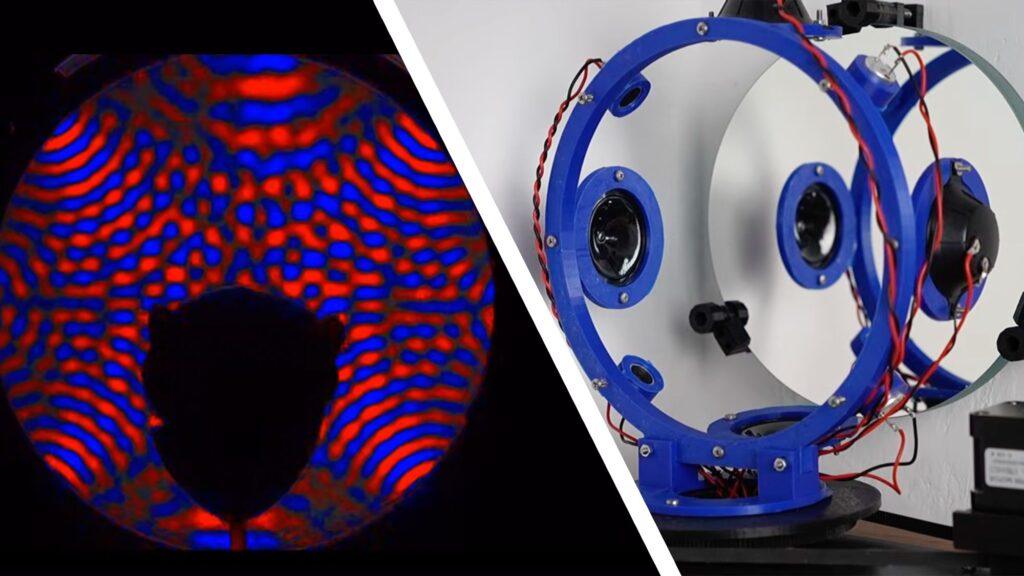
- YouTuber PlasmatronX creates test rig to visually map how spatial audio waves travel
- It requires a lot of custom design, including building your own multichannel amplifier.
- You can download the 3D printing files and code to create your own test kit.
Have you ever wished you could see sound waves in your room? It turns out that all you need is a guinea pig and a CT: Computed Acoustic Tomography.
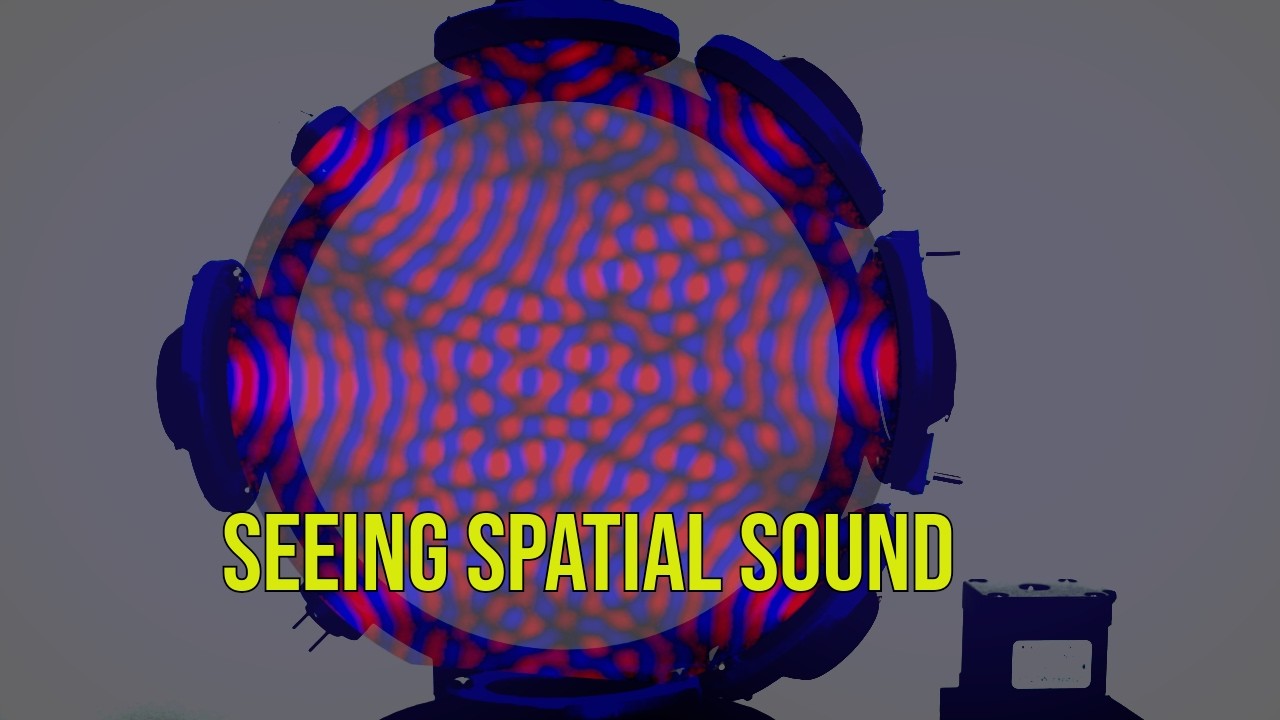
In a fascinating and fun video that captivated the entire TechRadar AV team and is worth 11 minutes of your time, YouTuber PlasmatronX creates test equipment that allows you to visualize how sound waves move around the room.
That visualization can then be used to compare the performance of different sound setups, such as the difference between a sound bar and a full surround speaker setup.

Look
Putting a guinea pig on a test bench
Clearly, PlasmatronX doesn’t take things too seriously. His experiment uses multiple soft toys, including a toy guinea pig to sit inside the saved sound because it is close enough to be a 4:1 scale of his own head, and at one point suggests that his experiments with beam steering (using imperceptible delays to make the sound appear as if it were coming from somewhere else) would have been more successful if he had been shooting beams from his own butt.
The guinea pig focuses on a multi-speaker setup that can replicate a pair of perfectly placed stereo speakers, a sound bar, and a full 7.1 surround sound setup. You can easily see where the “sweet spot” appears in each setting and how sound bars can make sound appear to be coming from speakers that aren’t there.

The key takeaway here is that your room is one of the most important factors in the sound you hear: the combination of audio reflections from walls and ceilings, and the absorption of sound waves by furniture such as the sofa or curtains, will have a significant effect on what you hear.
This is particularly important if you have a soundbar that uses acoustic tricks to create virtual speakers and transmits audio that needs to bounce off the walls and ceiling of your room. The cozier your living room is, the more audio it is likely to absorb.
This doesn’t reveal a big secret by any means (it’s why many of the best soundbars have room calibration), but it’s still fascinating and the video is often a lot of fun, especially when PlasmatronX is experimenting with building its own amplifier and building soundbar waveguides with varying degrees of success.
If you fancy repeating the experiment with your own guinea pig, PlasmatronX has provided all the necessary code, 3D printing files and schematics for you to download right here.
Are you thinking of buying a new television?
Try our TV size and model finder! You tell you how far you sit from your TV, we’ll tell you what size to buy based on viewing angle advice from picture quality experts, and we’ll recommend our three best TVs in that size at different prices.

Follow TechRadar on Google News and add us as a preferred source to receive news, reviews and opinions from our experts in your feeds.


