SYDNEY: Scientists have detected the H5 strain of bird flu in Australia for the first time, the country’s agriculture minister said on Saturday, meaning the highly contagious variant has now spread to all continents.
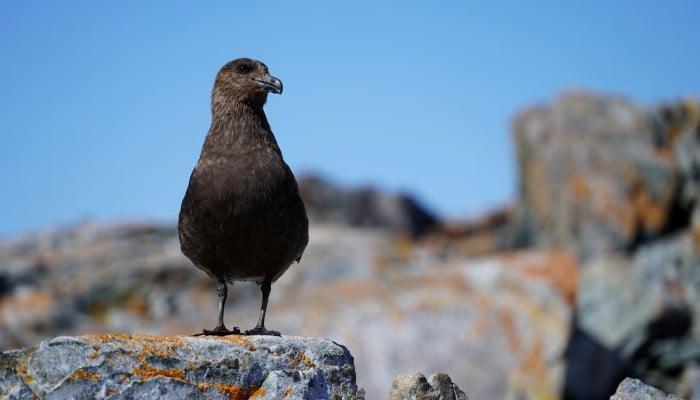
Australia’s federal Agriculture, Fisheries and Forestry Minister Julie Collins told a news conference that the disease had been found in a migratory seabird, a brown skua, in remote Western Australia, and that the result was confirmed by the national science agency.
Samples from another sick bird, a giant petrel found in the same area, also showed a presumptive positive result, he said.
Australia was previously the only continent where the H5 strain, which can devastate poultry and wild bird populations, had not been detected.
“While disappointing, this is not unexpected, given the global spread of H5 bird flu,” Collins told reporters in Canberra.
“I can confirm that there is still no evidence of mass mortality at this time, nor is there evidence of infection in poultry,” he said.
An emergency meeting of animal health and agriculture officials was held to consider a national response.
“We all knew we couldn’t be free of bird flu forever,” Collins added.
The H5 strain has caused serious illness and high mortality rates in affected poultry, wild birds, and mammals worldwide.
Prime Minister Anthony Albanese said on Saturday that the detection of the case was worrying and that his government would take measures to contain the spread of the disease.
“This is something that has happened through migratory birds and, by definition, has happened around the world, and that is why we are preparing for this,” he said.
Wild birds most affected by the H5 strain include waterfowl, shorebirds, seabirds and raptors.
Marine mammals have also been affected, with some detections in other animals such as cats, goats, alpacas and pigs.
‘Impacts at the population level’
There has been concern that the deadly disease could increase the extinction risks faced by Australian wildlife, many of which are unique to the vast continent.
Almost half of Australia’s wild bird species and 83% of its mammals are found nowhere else.
Australian Endangered Species Commissioner Fiona Fraser said on Saturday there was a plan to protect 35 species by boosting captive breeding.
Among them, the Tasmanian devil, black swan, little penguin and Australian sea lion are at particular risk from bird flu, he said.
“Clearly there could be population-level impacts for our species,” Fraser said.
The confirmed case was detected in a wilderness area 630 kilometers (391 miles) southeast of the city of Perth, on the west coast.
Officials said they are investigating whether the disease reached Australia via migratory birds from the sub-Antarctic.
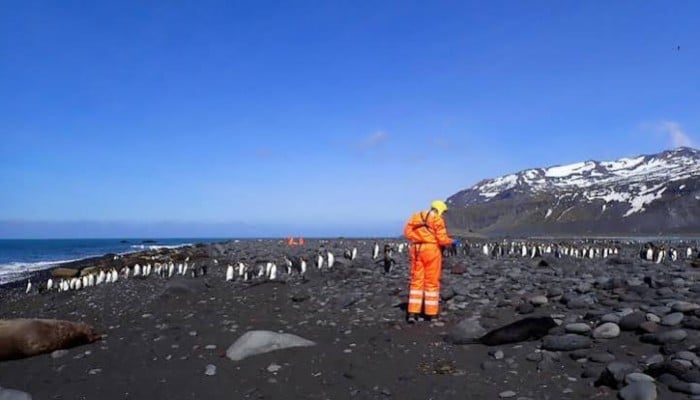
On Thursday, Australian scientists said the H5 strain of bird flu had killed more than 13,000 baby elephant seals after infecting a breeding colony on remote Heard and McDonald Islands, one of Australia’s outer territories in Antarctica.