
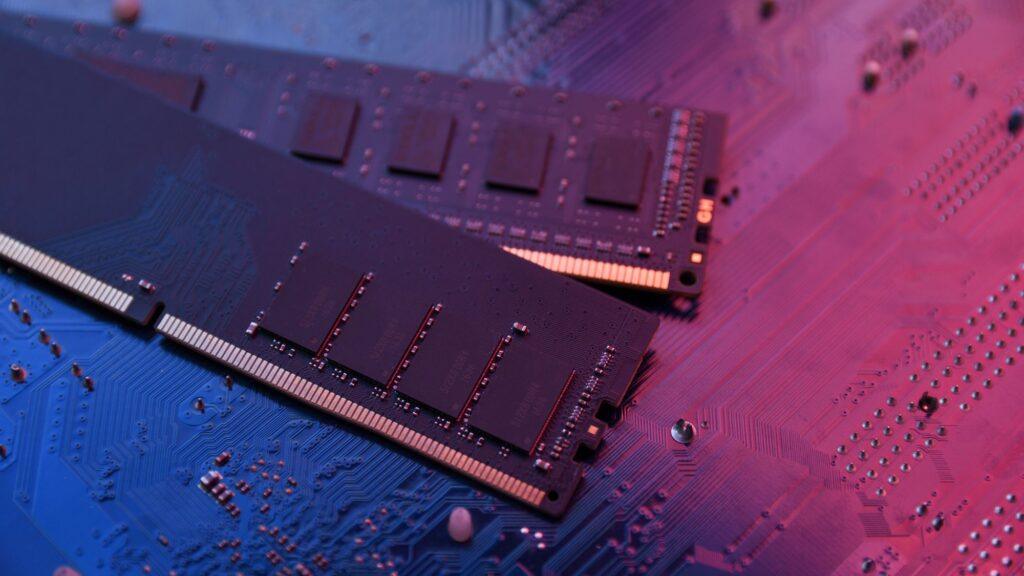
- Lenovo has said RAM prices will likely “never” fall back to pre-crisis levels
- The company also predicted a “new normal” in memory prices starting in 2030.
- Microsoft expects the cost of memory to double in just over a year
If you were hoping that we could make it to the weekend without any more bad news on the RAM front, that hope is about to be crushed courtesy of Lenovo and Microsoft, and Apple bears some of the blame too.
First, as German tech site ComputerBase reports (via Wccftech), at ISC 2026, the high-performance computing, AI and quantum conference in Germany, Lenovo said RAM prices will likely “never” fall back to the pre-crisis levels of a year ago, even after the upcoming chip production boost (starting in 2028).
Lenovo apparently said “never,” accompanied by some laughter on stage, according to ComputerBase, and the tech site (taking translation nuances into account) clarifies that this really refers to the next five years (or maybe a little more) for the RAM industry, and not an “absolute” future.

However, the report goes on to mention that Lenovo sees a “new normal” starting in 2030 with prices significantly higher than pre-crisis levels, even taking into account increased production.
On top of that, Microsoft just announced steep price increases for Xbox consoles driven by the RAM crisis. The firm stated: “Unfortunately, console memory and storage prices have increased more than 2.5 times and we expect them to double again by fall 2027.”
Oh. Microsoft stressed that memory price increases are especially painful for console manufacturers, as these devices are typically sold at a (slight) loss as revenue is made up of game sales (and subscriptions).
Finally, Wccftech also discovered that Micron had fired some criticism at Apple, although the memory chip maker did not specifically name Tim Cook’s company, but it’s pretty clear where the shot was aimed. As Rolfe Winkler, writing for the Wall Street Journal, explains in a post on
Sumit Sadana, Micron’s chief commercial officer, told Winkler: “We told a couple of customers who were being very aggressive on pricing at the time that this is not constructive.” The argument here could be that partners (presumably Apple) pressuring Micron on the price of its RAM hurt Micron’s bottom line and its ability to invest in more production capacity.
Analysis: double, double work and problems

Although it is difficult to weigh the exact meaning of Lenovo’s comments regarding the RAM crisis at ISC, it is quite clear that the PC giant believes that the future looks very difficult. At best, prices appear to be in trouble until the early 2030s, and a “new normal” is likely to come into play over the next decade.
While there seems to be some jokes about prices “never” going back down to pre-crisis levels, I think there’s a good chance they actually won’t. When the cost of a product increases to such an extent as we have seen with RAM (and storage), it may never fully normalize. Well, maybe we’ll see some curveballs that throw things off balance, like the AI bubble bursting, or at least greatly deflating, but I’m increasingly doubtful about the prospect of any relief.
Microsoft predicts greater duplication of the price of memory in just over a year is also a painful prediction to hear.
I’m not going to dive headfirst into the dark here, though, because as I said before, at least in the consumer space, RAM prices can only go up so far before hitting a ceiling, meaning that most people will simply refuse to pay the asking prices. And fortunately, there have also been a couple of glimmers of hope this week: Asus predicted that its products won’t increase as much in the second half of 2026 (but will still increase), and a rumor aired that memory chip giant SK Hynix could shift production from AI-oriented RAM (HBM) to conventional RAM units, at least to some extent.
However, I wouldn’t get carried away with optimism just yet, because for now, as these latest developments in the memory crisis underline, the general sentiment around the future remains largely negative.

Follow TechRadar on Google News and add us as a preferred source to receive news, reviews and opinions from our experts in your feeds.

The best laptops for all budgets


