
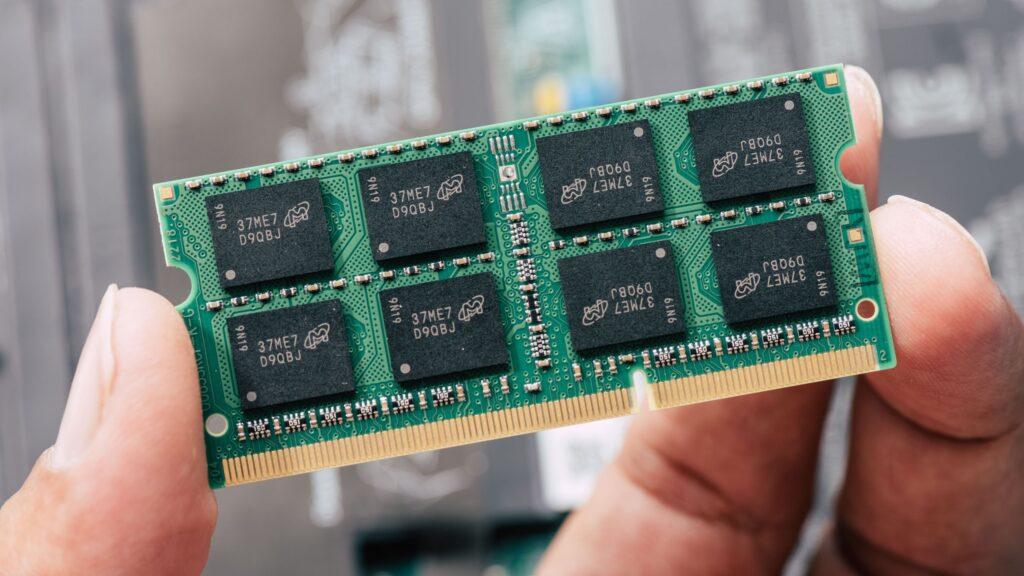
- Analyst Ming-Chi Kuo joined the prevailing pessimism around the RAM crisis
- Of the RAM destined for consumer electronics in 2026, “between 15% and 20% are expected to move to data centers in 2027, and that proportion could grow.”
- Apple is trying to maneuver to use a big Chinese chipmaker to shore up its RAM supply lines, we’re told
Another negative sentiment has been expressed about the RAM crisis, as a prominent leaker and analyst has highlighted that data centers will consume even more consumer memory supply next year, and that Apple could turn to China for help to shore up its RAM stocks.
Wccftech noted that Ming-Chi Kuo posted on
This is part of a picture Kuo paints, where Apple is not only concerned about the cost of memory but, more specifically, the lack of memory supply, with LPDDR5 (low-power RAM for mobile phones and laptops) dwindling substantially.

Kuo notes that this is the “real reason Apple is pressuring the White House to keep CXMT off the Entity List,” meaning that to keep enough supply flowing, Tim Cook is trying to persuade the US government to allow Apple to use RAM made by Chinese chipmaking giant CXMT.
In short, it’s not about pricing as such, but rather about “managing DRAM supply risk” in light of any future shipping targets Apple has for its products, whether they be Macs, iPhones, iPads, or anything else.
Analysis: call in the cavalry?

At the beginning of the year, we were hearing about how much RAM utility data centers (and the AI in them) will consume in 2026, and things won’t get better for the consumer in 2027. Not if Kuo is right and something like 20% (or further) of memory supply for consumer electronics will be redirected next year to data centers. In fact, it’s a worrying thought and represents an unwanted notion of ever-increasing prices for anything with memory inside, from phones to PCs.
Apple is apparently trying to act to avoid the worst of the impact on its products, following its recent price increases, and interestingly Kuo thinks that Tim Cook is very much the CEO for the job, and that this is not a task that John Ternus, who will take the reins at Apple later this year, should be tasked with.
Kuo observes: “Tim Cook is one of the few tech leaders who can still navigate both Washington and Beijing, so it’s best to handle this before he steps down as CEO. Even if the effort goes nowhere, media coverage may still leave the market with the impression that Apple tried but was limited by U.S. politics. That may help ease frustration over price increases and longer delivery times.”
As for Apple’s potential Chinese savior in chip manufacturing, others have warned against relying on Chinese RAM to alleviate the current memory crisis. While Kuo notes that “CXMT states in its IPO prospectus that its capacity is well below domestic demand,” meaning there is supply available to funnel to companies like Apple or other Western tech giants, that may not be the case in the future.
And as the vice president of a company that makes SSD controllers recently made clear, the Chinese government has considerable influence over CXMT and other major memory chip makers in the country, and if the RAM crisis worsens, there may not be as much supply to sell abroad (even if that would be more profitable for the companies involved).
It’s a tricky situation to navigate, of course, but as Kuo also mentions, this could be because Apple wants to be seen doing something. Cook may fully realize that CXMT may not be the knight in shining armor coming to Apple’s rescue, but even if he isn’t, he has at least been seen making efforts to call in the cavalry.
Ultimately, with all the gloomy predictions circulating lately, including Lenovo’s claim that RAM prices will “never” go down again and that we’re in a world of a “new normal” for memory costs, it’s hard to believe that Apple will have much room to maneuver to keep a firm grip on the MSRPs of its Macs or other products in the future.

Follow TechRadar on Google News and add us as a preferred source to receive news, reviews and opinions from our experts in your feeds.
The best laptops for all budgets


