
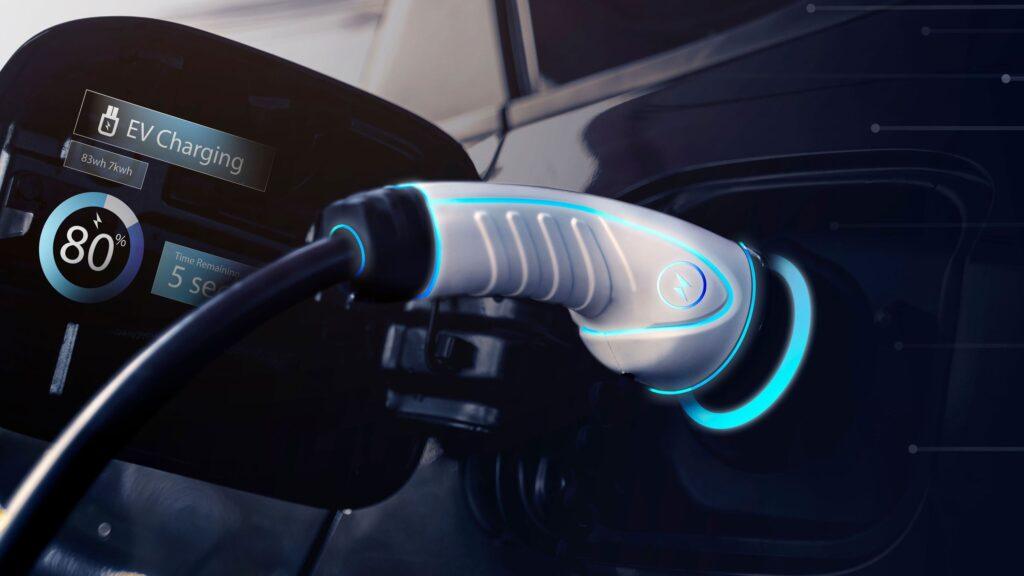
- European bodywork suggests EV sales are booming
- Results show that annual sales of electric vehicles in the UK have surpassed those of gasoline
- But plug-in hybrids are shoring up the numbers
New data released by the European Automobile Manufacturers Association (ACEA) suggests that more electric vehicles have been sold in the past 12 months than gasoline cars, marking the first time this monumental shift has been recorded.
The milestone comes amid continuing debate over the UK government’s zero-emission vehicle (ZEV) mandate, with several manufacturers arguing that sales targets remain unrealistic without increased consumer demand.
However, recent data shows that in the 12 months to May 2026, UK consumers bought 516,490 new BEVs, compared to just 504,010 new petrol cars, according to analysis by Carbon Brief.

Similarly, data published by the Society of Motor Manufacturers and Traders (SMMT) shows that registrations of petrol and diesel cars fell by -7.1% and -2.2% respectively, as electrified vehicles gained ground.
That said, claims that electric vehicles are overtaking internal combustion cars are misleading, as while purely gasoline-powered cars have fallen behind battery electric vehicles in the sales charts, combustion vehicles remain comfortably ahead once diesel, hybrid and plug-in hybrid vehicles are taken into account.
This is because both conventional hybrids (HEV) and plug-in hybrids (PHEV) still rely on an internal combustion engine. Although they are often grouped together under the umbrella term “electrified vehicles,” neither is a fully electric car in the same sense as a battery electric vehicle.
The latest figures from the Society of Motor Manufacturers and Traders (SMMT) reflect this distinction, listing battery electric vehicles, plug-in hybrids and hybrid electric vehicles as separate categories rather than combining them into a single electric vehicle total.
According to its latest figures, battery electric vehicles accounted for almost one in four new car registrations over the past year, comfortably outperforming petrol models.
However, when hybrid and plug-in hybrid registrations are added to gasoline and diesel sales, combustion engines continue to dominate the overall market.
Analysis: This is still a great time for electric vehicles
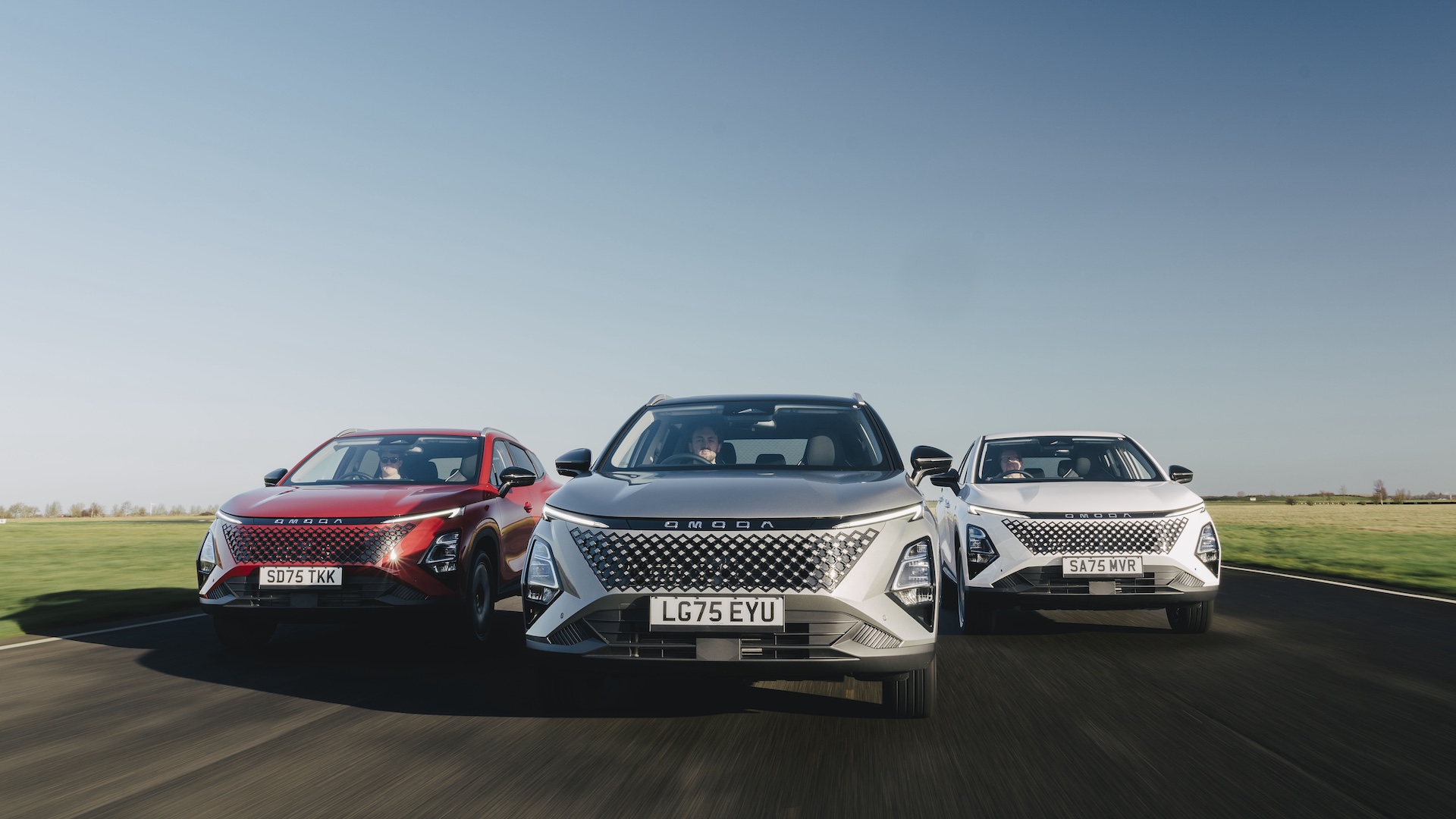
We should not downplay these figures, because they demonstrate a real move away from conventional gasoline cars towards electrified alternatives.
In fact, the SMMT data actually softens the decline of gasoline engines, as it labels “mild” hybrids as gasoline vehicles, whose sales may obscure the true decline of pure fossil fuel options, according to Arena EV.
But sales of these traditional hybrids, while still a significant figure, have actually declined in recent years, while sales of plug-in hybrids rose 24% year-on-year in May 2026, according to figures from the European Automobile Manufacturers Association (ACEA).
SMMT data supports this fact, stating that plug-in hybrid deliveries grew by 23.9% to reach an expanded market share of 13.8% in May this year. Meanwhile, battery electric vehicle (BEV) adoption rose 34.2% to occupy 27.3% of the market, the highest on record in 2026.
It is clear that there is a noticeable shift in consumer purchasing habits, with more and more opting for plug-in hybrid variants possibly acting as a stepping stone towards pure battery electric vehicles.
Today’s plug-in hybrids, like Omoda’s super hybrid system, can achieve impressive mileage on a single charge of their battery packs, with 60 to 90 miles now relatively common.
In my personal experience, a large majority of drivers quickly realize that they rarely need much more than the range offered by their plug-in hybrid’s electric system, and if they can charge it at home, this makes it easier to consider going all-electric in the future.
Fossil fuel use may not be completely dead yet, but the numbers indicate that it is quickly going out of fashion.

Follow TechRadar on Google News and add us as a preferred source to receive news, reviews and opinions from our experts in your feeds.


