
- There are already several Steam Machine clones
- The latest is Meta PC’s ‘Steamroller’ in the US.
- While it has strengths beyond Valve’s PC, it misses out on some key aspects, particularly its suitability for the living room.
As the Steam Machine now officially ships, at least for some players who have pre-orders made and paid for, we’re seeing more alternatives to the best gaming PCs for those who haven’t been able to get their hands on, or simply aren’t tempted by, Valve’s latest hardware.
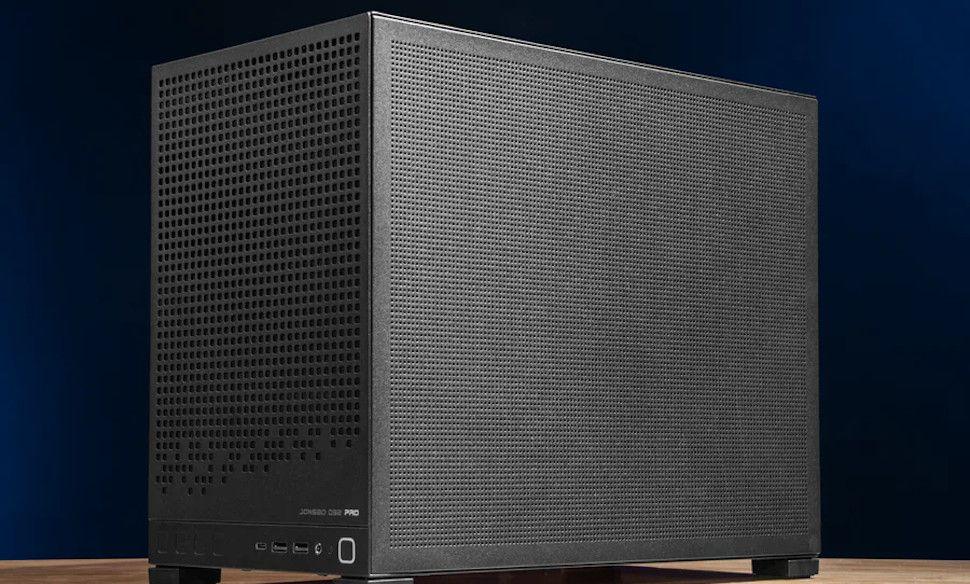
The latest alternative to Steam Machine is Steamroller (nice name) from US-based Meta PC. Tom’s Hardware reports that Steamroller is a pre-built version with an AMD Ryzen 9600X processor, backed by 16GB of DDR5 RAM and a Radeon RX 7600 graphics card (with 8GB of video RAM). There is a 1TB NVMe SSD for storage.
All of this is packed into a micro-ATX case (the Jonsbo D32), with a 240mm AIO liquid cooler inside and a 650W (gold-rated) power supply.
Pre-orders are now open, with Steamroller requiring you to part with $1,299 of your hard-earned money, with units shipping from July 7 (that’s around £980/AU$1,900, although this particular machine is only available in the US).

It certainly looks like a respectable compact build for a gaming PC; However, like all of these Steam Machine alternatives or clones floating around right now, it misses the point of Valve’s creation in some key ways.
Let’s look at that and also, for balance and fairness, the strengths of the Steamroller and similar devices compared to the Steam Machine, because this is not just a one-way street.
1. Adaptation of the room

Focusing on the look of a PC may seem superficial, but in the case of the Steam Machine, this is a big part of the appeal. It’s a discreet, discreet little cube that sits on your TV stand (or anywhere else) and blends in without attracting attention (or potentially disturbing your partner, for example, who may not be as into gadgets and games as you are).
All of these alternative versions fail in terms of not being as subtle as the Steam Machine. The Steamroller (or rather the Jonsbo D32 case) measures 207 x 395 x 314 mm. Compare that to the dimensions of the Steam Machine, which are 156 x 152 x 162mm. The difference is a compact cube versus an admittedly small PC, but still something heavier that looks like a computer rather than a sleek device that happily sits near your TV without attracting too much attention.
I think Valve’s achievement in keeping the Steam Machine’s size at this level is quite notable (although it has had an effect on performance, of course).
2. Hot heat
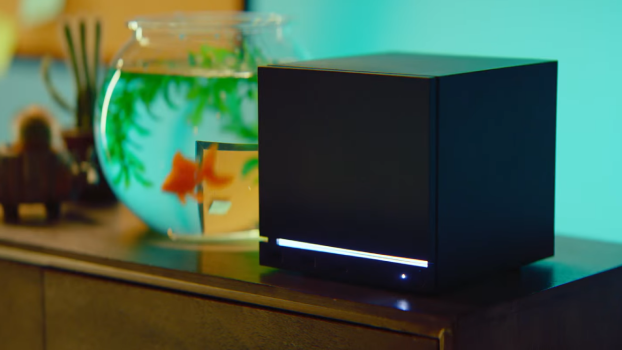
What Valve has also put a lot of thought into is the Steam Machine’s thermals, and again in light of the living room setup. By which I mean the device could be crammed onto a small shelf, or inside a narrow TV cabinet, and Valve’s engineers have considered this (as explained to Eurogamer) and made sure the vents and cooling system are designed to mitigate potential positioning-related issues.
Of course, micro-ATX cases haven’t been subject to that kind of design thinking (although you could refer to the point above, which means they probably wouldn’t fit into some of these spaces anyway).
3. Bring on the noise
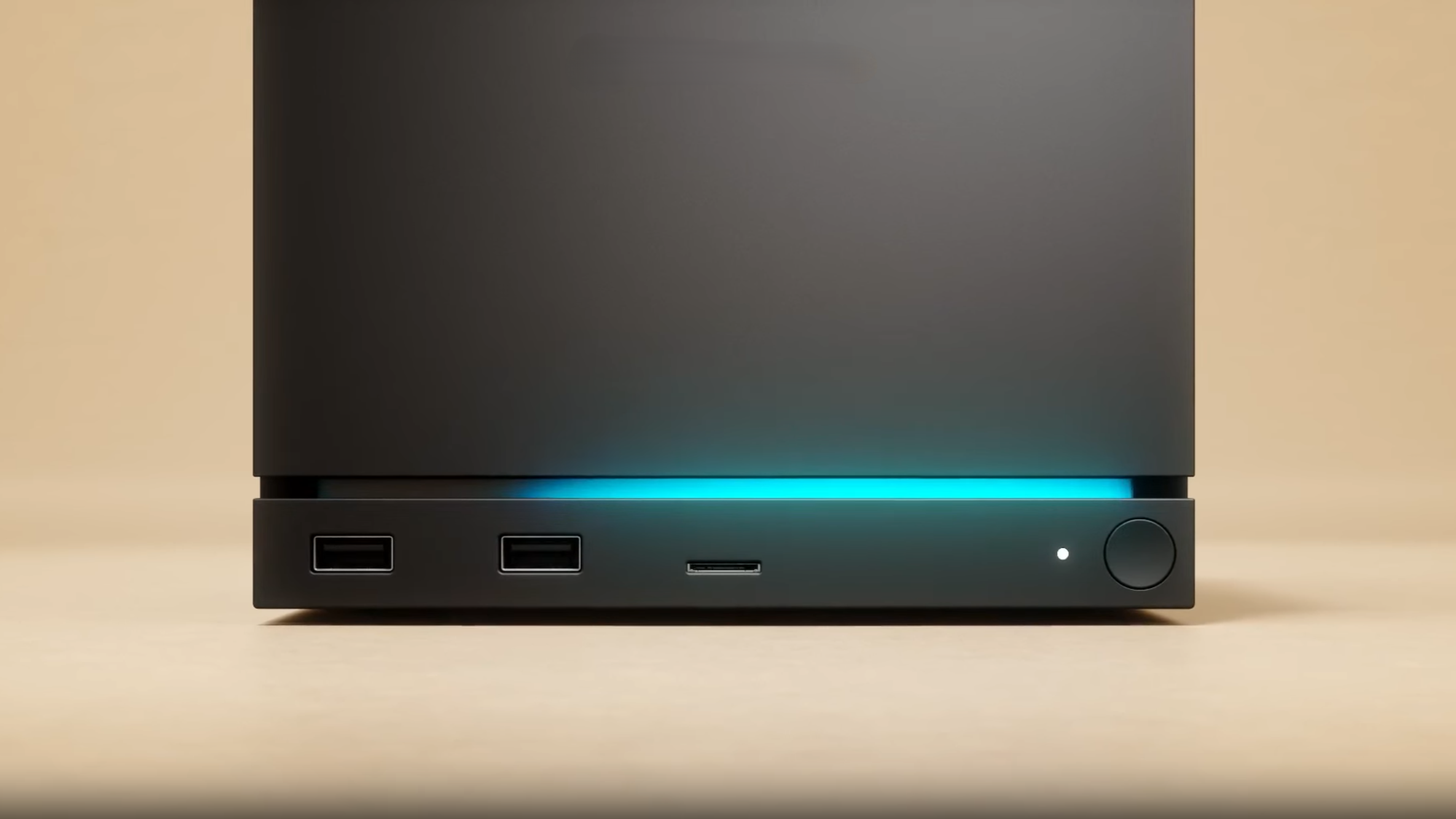
Hot on the heels (sorry) of thermals is the noise a PC makes when the graphics card is potentially running at warmer levels with more intense gaming demands. Just like a console, you don’t want the gaming PC in your living room assaulting your eardrums with overly intrusive fan noise (especially if you have the TV volume turned down later at night).
According to reviews, the Steam Machine is a commendably quiet device and, in fact, even better than consoles in this regard (mentioning a few names, I wasn’t impressed with the noise levels of the PS4 Pro; although the PS5 Pro is much better). Obviously, these pre-built alternative PCs that use desktop graphics cards won’t be as quiet, and exactly what you’ll get in terms of noise in demanding games could be, shall we say, undesirable.
4. Console-like experience

Speaking of consoles, what Valve has done with the Steam Machine is ensure that the device provides a truly stylish gaming experience in the living room. On one hand, that means instant sleep and wake functionality. On top of that, you also get HDMI CEC support that allows your TV remote to adjust the PC’s volume (or have the TV turn on or off automatically with Steam Machine).
These are really convenient touches that make using the Steam Machine much smoother, similar to mainline consoles, as noted. Of course, you won’t get these kinds of quality-of-life features with a pre-built alternative PC. And frankly, they’re invaluable if you want to just jump into a quick five-minute gaming session here and there.
The other side of the fence
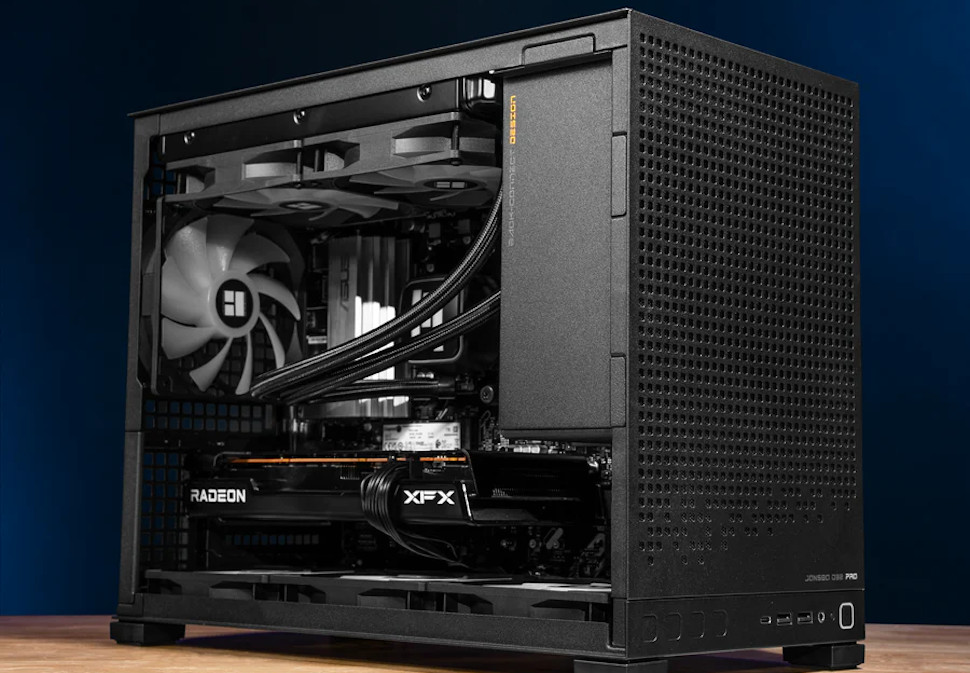
I must clarify that I will not like this alternative to Steam Machine from Meta PC. As noted, the Steamroller appears to be solidly built and certainly a a lot Better idea than, say, trying to get a cheap clone from China (which is a very bad idea in my opinion, in case you were wondering). There are strengths with the Steamroller that the Steam Machine also does not have.
For starters, Steamroller offers considerably faster performance for PC gaming, mainly due to the beefier (desktop) GPU. However, given the asking price, the RX 7600, while certainly an upgrade from the Steam Machine’s custom RDNA 3 graphics card (discreet but portable class), feels a bit stingy. Other Steam Machine alternatives have opted for meatier upgrades like the RX 9060 XT, which will obviously provide even higher frame rates.
Steamroller is also more flexible in terms of updates. You can change the GPU in the future, for example, or do anything you can with a typical PC. With Steam Machine, you can only upgrade RAM or storage (and even then, a memory upgrade seems annoying and complicated).
Those are very real benefits to Steamroller (and the like), obviously, especially the extra performance. But the real goal of Steam Machine is to be a system that aims to take over living room gaming and work completely seamlessly in that environment, bringing your existing Steam game library to the big screen TV, where you can play in a more relaxed and convenient setting from the couch. And on that note, these Steam Machine clones are missing some important parts of the image here.

Follow TechRadar on Google News and add us as a preferred source to receive news, reviews and opinions from our experts in your feeds.

The best PC drivers


