
- Video game retailers have expressed concern over Sony’s decision to phase out physical copies of PlayStation games in 2028.
- The game has stated that it “will not sit idly by” and is fully compatible with the physical property of the game.
- Sony’s move puts several video game retailers at risk of closure
Sony has dropped an absolute bombshell on the gaming industry, with the announcement that PlayStation will no longer produce discs for physical copies of games starting in 2028, and that hasn’t sat well with either consumers or retailers.
Several video game retailers have reacted to Sony’s removal of the PlayStation disc, condemning the move in support of consumers and physical ownership of games. Notably, video game retailer Game issued a statement in X (translated from Spanish), highlighting its frustration with the case.
“As for the latest news: our silence is over. Video game lovers, it’s time to defend what matters to us”, a relevant statement from Game, which comes in the middle of the Stop Killing Games movement, which coincides with the question of game ownership once multiplayer games go offline.

“The latest decisions that we are seeing in the industry worry us deeply, because they affect all of us who understand video games as something more than a downloadable file. We are not going to sit idly by. Digital and physical [games] can coexist; In fact, they’ve been doing it for years.”
Another video game retailer, Loot Box Gaming, has reached out to
It doesn’t end there, though, as another independent video game retailer, VGP Video Game Plus, said, “Oh fuck! To be continued,” which sums up a lot of people’s frustrations.
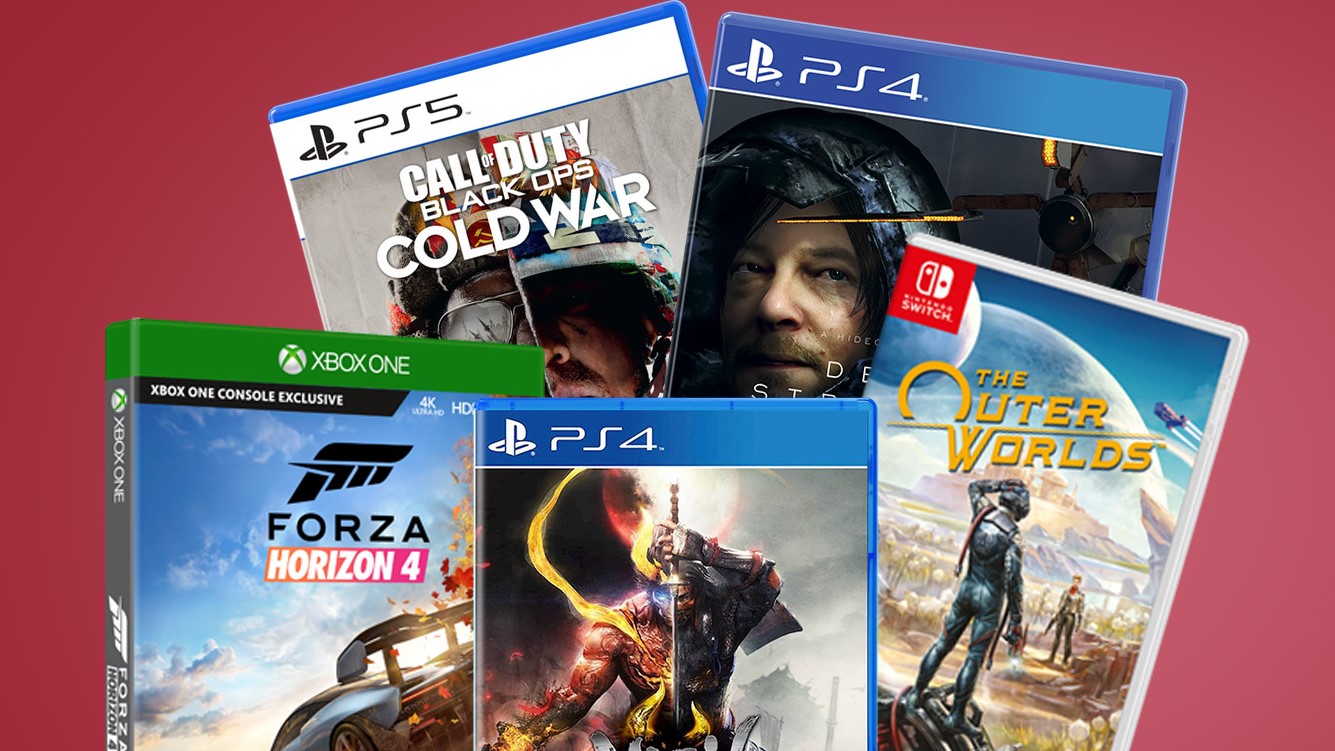
Sony’s decision to end physical copies not only affects consumers and the ability to own a hard copy of a video game, but it also severely affects companies like Game, CeX (both primarily in the UK), and Gamestop.
For now it’s just PlayStation, but the likelihood of Microsoft following suit is very high, especially with rumors suggesting that the next Xbox console will indeed be a gaming PC. This is a very serious situation for retailers and consumers, and if Sony doesn’t reverse its decision, it could dramatically change gaming forever.
Without access to physical copies of games, consumers leave their ability to access their games at the discretion of PlayStation. This is problematic since Sony can revoke user access to media (in this case, games) at any time and did so recently when it removed movies from users’ libraries.
This measure also reduces consumer options: with physical games you can compare prices and even buy a second-hand game. Now, it’s likely only Sony will be able to purchase digital games, allowing the company to set prices without competition.
The worst thing is that in some cases (i.e. game sharing), if you lose Internet access, you will no longer be able to play the games you purchased – something that can be solved with a physical copy – and if that privilege disappears forever, any sense of ownership of a copy of the video game could be a thing of the past.

Follow TechRadar on Google News and add us as a preferred source to receive news, reviews and opinions from our experts in your feeds.


