
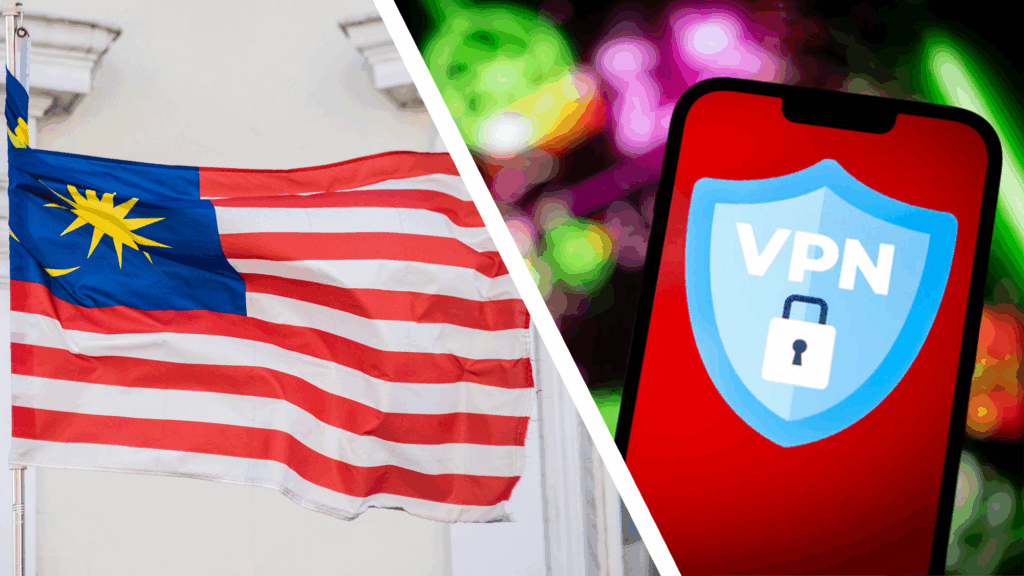
- Malaysia beefs up crackdown on VPNs used to facilitate crime
- Misuse includes circumventing new social media ban for under-16s
- Officials have emphasized that owning or using a VPN is not a crime
Malaysia is ready to take action if VPNs are used to facilitate criminal activities or help residents circumvent the new social media age limit.
According to local reports, Deputy Home Minister Datuk Seri Dr Shamsul Anuar Nasarah said the government is working closely with the Malaysian Communications and Multimedia Commission (MCMC) to counter VPNs and borrowed identities being used to circumvent newly imposed age limits on social media.
For the many people looking for the best VPN services to protect their browsing, encrypt their traffic, or simply keep their data out of the hands of advertisers, the reassuring conclusion is that the tool itself is not the goal. What authorities want to target is the small proportion of activity where a VPN is used as a shield for something illegal.
What Malaysia really announced
The comments came during a question and answer session on cybercrime and age verification. Shamsul Anuar explained that the police would rely on public complaints and their own investigations to identify cases where VPNs or identity masking tools are being abused, and that such misuse could be treated as an added element of a crime.
He made it clear that the crackdown is aimed at behavior, not software. The minister framed the effort as part of Malaysia’s broader initiative to protect children online, pointing to a sharp rise in crimes.
This is in addition to the social media ban for under-16s in Malaysia, which came into effect on June 1, 2026 under the Online Safety Act 2025. Large platforms including Facebook, Instagram, TikTok and YouTube must now verify users’ ages and block registration of under-16s, with failure to comply carrying penalties of up to RM10 million.
VPNs come into the picture because they are an obvious way to make it look like a user is somewhere where the rules don’t apply. Age verification laws in other places, such as Australia and the United Kingdom, have repeatedly caused spikes in VPN subscriptions, and many of them tend to be adults looking to protect the sensitive documents these systems ask them to hand over.
What it means for everyday VPN users
For most people, this is not a reason to stop using a VPN and is not a ban in disguise.
However, digital rights groups have sharply criticized the age verification model underpinning the ban.
ARTICLE 19, together with its local partners, has argued that the move was hasty, is disproportionate and risks normalizing surveillance while exposing people’s identity documents and biometric data to misuse.
Follow TechRadar on Google News and add us as a preferred source to receive news, reviews and opinions from our experts in your feeds. Be sure to click the Follow button!


