
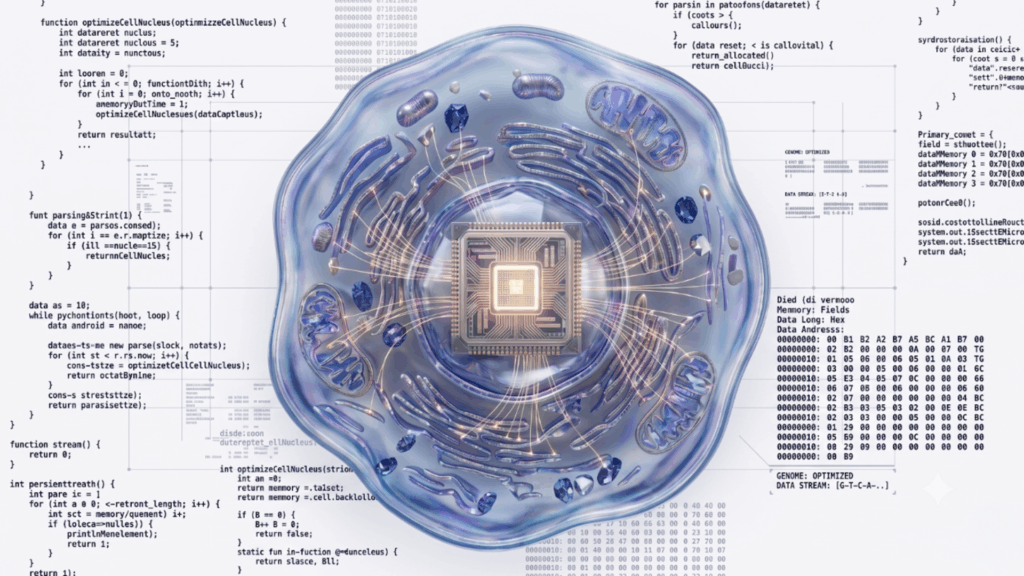
- Human cells processed multiple biological signals using fewer genetic instructions simultaneously
- RNA trans-splicing allowed cells to execute complex computational operations efficiently
- Researchers successfully built live versions of computer adders and multiplexers
Researchers at the Hebrew University claim to have engineered human cells capable of processing multiple biological signals simultaneously, much like small computer chips.
PhD student Keren Roas and Dr. Lior Nissim built an artificial genetic system that allows cells to follow layered instructions without the usual loss of reliability.
Their findings, published in Nature Communicationsdescribe a method that could eventually allow cells to diagnose diseases and respond automatically within the body.

A new approach to genetic computing
Traditional genetic circuits operate somewhat like a tall building, where each additional instruction requires another layer of internal computation to function properly.
As these systems become more complex, their performance and reliability tend to decrease quite quickly under real-world conditions.
The Hebrew University team addressed this limitation using a natural process called RNA transsplicing, which joins together separate genetic messages within a living cell.
They combined this process with both natural and artificial regulatory elements to build molecular tools that resemble biological processors.
Dr. Nissim explained that the new method allows cells to run complex programs using far fewer calculations and genetic components than before.
This reduction, he said, makes it possible to build more advanced biological programs without sacrificing precision or functional consistency.
“Our new approach allows cells to carry out complex programs using far fewer calculations and genetic components,” said Dr. Nissim.
“This makes it possible to build much more advanced biological programs without losing functionality.”
To demonstrate the system, the researchers built a biological “full adder,” a three-bit device capable of performing simple binary math operations, similar to a computer processor.
They also created a biological multiplexer, a component that selects a signal from multiple options and forwards it.
Fluorescent proteins that glow in different colors allowed the team to track how these signals moved through each engineered cell in real time.
Towards programmable cell therapies
The system also includes a built-in safety mechanism that is activated when a cell internally detects an invalid or overloaded genetic configuration.
This produces a distinct warning signal, which the researchers say could eventually help prevent errors during real medical treatments.
As a practical demonstration, the team programmed cells to produce interleukin-15, an immune protein known to more effectively activate cancer-fighting immune cells.
In theory, similarly programmed cells could monitor several disease markers at once before releasing treatment only when needed.
Such precision could allow future therapies to directly target diseased tissue while limiting damage to surrounding healthy cells.
By reducing the genetic material and energy required for cellular decision-making, the researchers have created a remarkably flexible toolset for future work.
It remains an open and unresolved question whether this approach can reliably scale from laboratory demonstrations to actual clinical treatments.
Still, the underlying logic suggests that medicine may increasingly look like software design, with biological code directing cells precisely when and how to act.

Follow TechRadar on Google News and add us as a preferred source to receive news, reviews and opinions from our experts in your feeds.


