
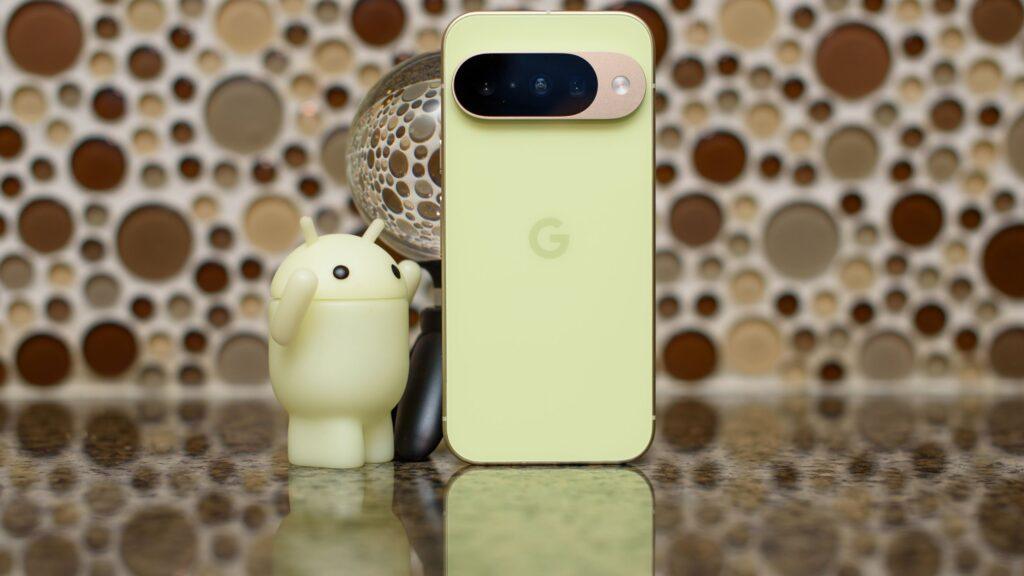
- Google is adding more options to Android backups, so you can control exactly what gets backed up
- However, the company now also counts everything in the backup as part of your Google Account storage.
- This change is rolling out now, starting with new Google accounts.
Android backups are changing in two small but significant ways starting today (July 7), and one of these changes will be more appreciated than the other.
Let’s start with the good news: you can now have more granular control over what’s actually backed up, with individual on/off options added for ‘SMS and MMS Messages’, ‘Call History’ and ‘Device Settings’.
So you can choose whether you’re really interested in saving each of those things, so you can restore them if you ever set up a new phone.

Having more control is nice, but presumably the reason Google has made this change is that all of these things will now count towards your Google Account storage as well.
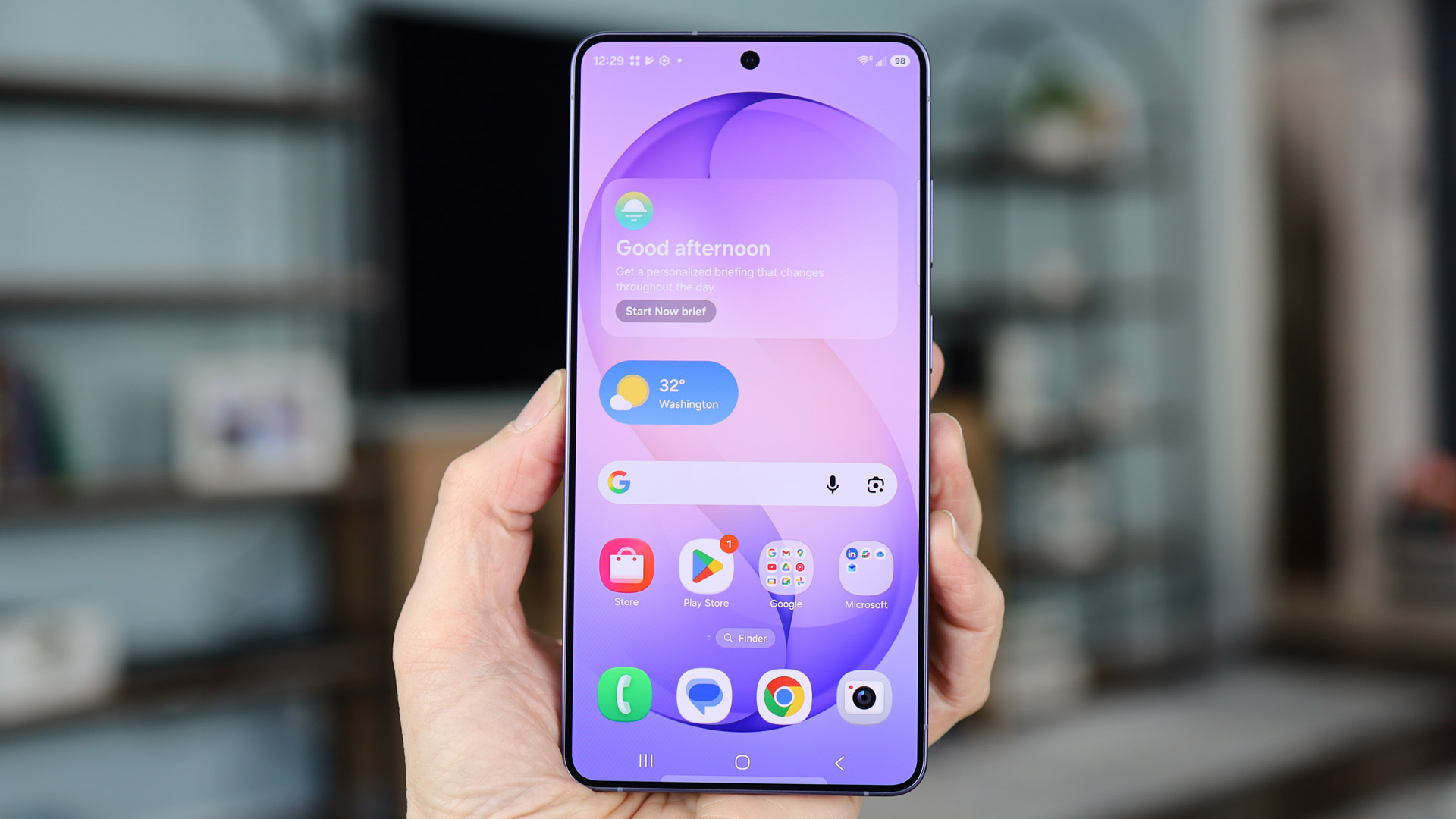
Stealing your storage
Previously, when you backed up an Android phone, Google only counted images and videos in Google Photos and MMS messages toward your account storage. Now, SMS messages, call history, and device settings are also counted, meaning your backups will take up more valuable cloud storage data.
And that’s unfortunate, since for free, Google only offers users 15 GB, or just 5 GB for new accounts that don’t register a phone number. And that free allocation isn’t just for Android backups, it’s also shared with Gmail and Google Drive, so it’s easy to consume even without SMS messages and the like counting.
So, where once you could back up SMS messages, call history and device settings without a second thought, now you might want to be a little more selective about what gets backed up; hence these new options have been added (or at least we believe that is the reason).
The good news is that this change shouldn’t make a huge difference in how much storage Android backups use. A Google spokesperson told 9to5Google that “we expect this to only add 40MB on average.” Still, it all adds up and could mean users have to upgrade to paid storage plans sooner than they otherwise would.
If you’re already an Android owner, you may not see these changes yet, and Google is said to be rolling them out in the coming months. But new accounts should be subject to these restrictions (and benefit from the new options) immediately.

Follow TechRadar on Google News and add us as a preferred source to receive news, reviews and opinions from our experts in your feeds. Be sure to click the Follow button!
And of course you can also follow TechRadar on TikTok for news, reviews, unboxings in video form and receive regular updates from us on WhatsApp also.


