
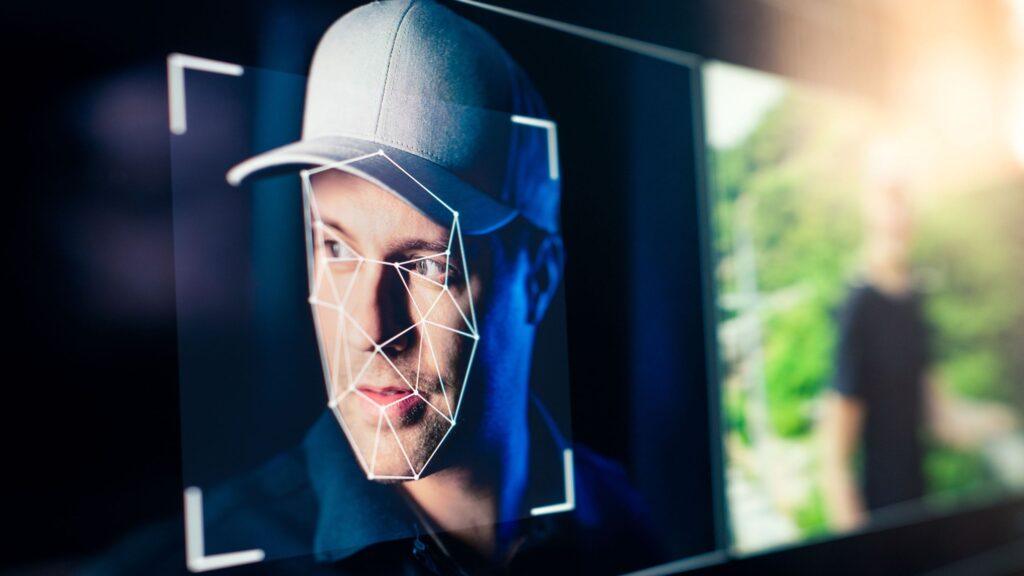
AI images, videos, and writing used to be relatively easy to detect. There were too many fingers, warped backgrounds, strange, nonsensical text, and other visual artifacts that quickly gave away the AI gameplay. The deepfake videos often had delayed lip-syncing and the AI-generated writing seemed repetitive and formulaic, like reading a clumsy LinkedIn post.
But AI has improved. Many AI-generated images, videos and messages now appear convincing enough to fool even the most careful observers and experts. Which means that some of the older tricks for detecting what is AI and what isn’t no longer work as reliably as they once did.
So it’s not about detecting signs and failures. It’s about taking extra steps to verify what you’re seeing and hearing. We can no longer rely on zooming in to see six fingers on a strange looking ad. We need to know what questions to ask and what tools to use when something doesn’t seem quite right.

Fact Check Facebook Pages
AI-generated content is all over Facebook, particularly photos and videos designed to trigger a strong emotional response.
In May, a Full Fact investigation examined pages sharing AI-generated stories about UK politicians and found that many were run from outside the UK, despite using British-sounding names. The posts featured heartwarming stories of politicians who donated millions, rescued dogs or helped sick children. None of that was true.
A useful tool in situations like this is Facebook’s Page Transparency feature. It is located within a Page’s profile and can reveal where a Page is managed from, when it was created, whether it has changed names in the past, and other clues as to who is really behind it. If those details don’t match the image the page is trying to project, that’s usually a good reason to be skeptical.
Detect scams on LinkedIn

Job scams aren’t new, but AI is making them harder to detect. Scammers can now generate realistic messages to recruiters, professional-looking profiles, and convincing emails at scale.
Some recent campaigns have even mimicked LinkedIn’s job notifications and alerts, using urgency and curiosity to pressure people into clicking on malicious links or sharing sensitive information.
Before responding to an unexpected job offer, do some basic checks. Is the recruiter connected to a real company? Does your profile look legitimate? Does the company exist on Companies House? Taking a few minutes to check out the opportunity could save you a lot of trouble later.
Checking viral videos

Deepfake videos are becoming disturbingly realistic. At normal speed, an AI-generated video can now look completely authentic. But you could try increasing the playback speed, which is when subtle inconsistencies can become easier to spot. Watch for lip movements that don’t quite match speech, unnatural blinks, strange rhythms, or facial movements that feel slightly out of sync with the audio you’re listening to.
It is also worth paying attention to facial expressions. Now, of course, no one reacts perfectly all the time, but if a person’s expressions consistently seem disconnected from what they’re saying, it may be worth investigating further.
Researching AI influencers

Sometimes the answer is hiding in plain sight. You just need to know where to look. Brands and creators often disclose AI influencers, AI-assisted fashion shoots, and AI-generated ad campaigns, but the information can be difficult to find in a headline, hashtag, profile description, or fine print. For example, lifestyle brand and publisher SheerLuxe creates AI-generated content and influencers under the name Sheerluxe lab.
You can also try a reverse image search. Uploading an image to Google Images can sometimes show you where it first appeared online, whether it has been altered, and whether the person in the image actually exists somewhere else on the Internet. If an influencer only appears in AI-generated content and nowhere else, that’s a pretty big sign that they might be completely made up.
Take the AI Quiz or Not

Follow TechRadar on Google News and add us as a preferred source to receive news, reviews and opinions from our experts in your feeds.


