
The CBDC cap expires at the end of 2030, although there was little chance that a Fed digital currency would have been implemented by then. There has been limited appetite at the central bank, where its previous leadership – even before the arrival of Trump’s new Federal Reserve chair, Kevin Warsh – had long said such an effort would require White House backing and congressional authorization. There has never been broad support for a CBDC in Congress.
But the idea, which the cryptocurrency industry strongly opposes because of its potential to compete with privately issued stablecoins, has been pursued in other jurisdictions, such as Europe and China, and became a popular political target for American politicians. So Republicans managed to include it in unrelated housing legislation, after previously trying to include it in a number of bills, including the Foreign Intelligence Surveillance Act.
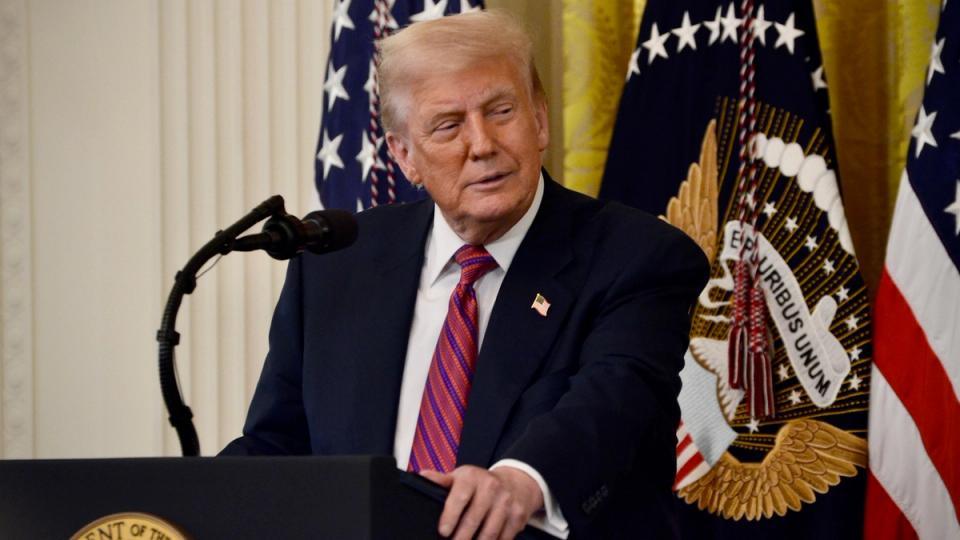
Despite the overall popularity of the housing bill, Trump made an unexpected, last-minute decision against signing it, for which he had previously scheduled a ceremony and had a stage built. He declared he would not sign anything until lawmakers passed a bill that would impose new citizenship tests and identity checks on voters, an effort without enough current support to pass Congress.


