
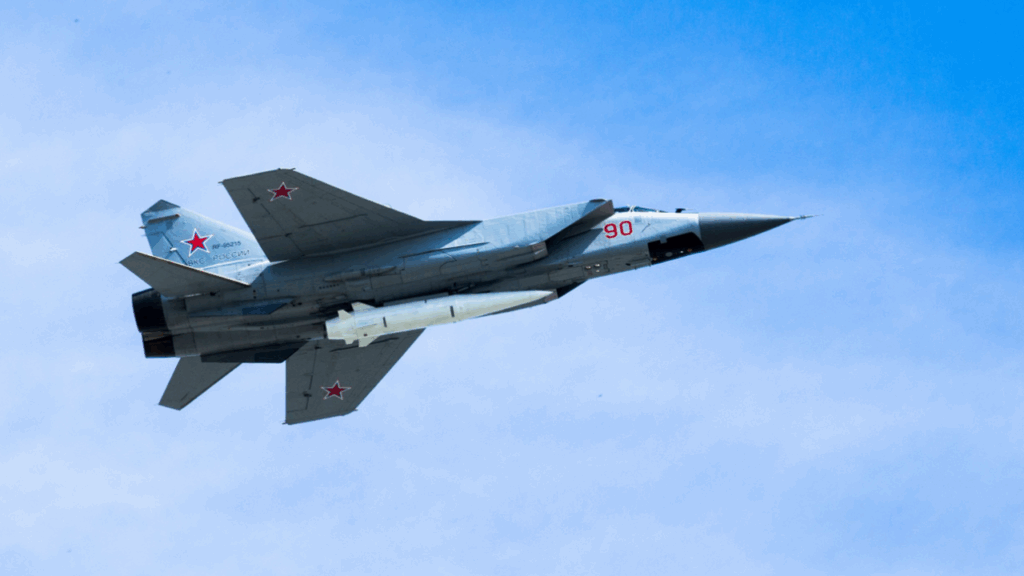
- Navy orders first 50 Blackbeard hypersonic missiles for $23.4 million in total
- Each Blackbeard missile costs less than $300,000 once full production begins.
- Castelion has received three separate rounds of Navy funding since February 2026
A California defense startup is selling hypersonic missiles at prices like a luxury vehicle instead of a mansion, marking a shift in weapons prices.
Castelion’s Blackbeard missile travels at more than Mach 5 and reportedly costs less than $300,000 per full round, a fraction of the typical hypersonic price.
The price became a reality on June 16, 2026, when the US Navy ordered the first 50 production rounds for $23.4 million.
The Navy’s first real purchase
The order also covers 50 shipping and storage containers, which will primarily traverse Castelion’s sprawling factory campus in New Mexico.
It is the Navy’s third payment in five months, following $50 million in February to boost Blackbeard from prototype to operational use.
In April 2026, the Navy committed another $105 million specifically to integrate Blackbeard into the F/A-18 and conduct the carrier suitability testing necessary before any missile can operate safely from the deck of an aircraft carrier.
According to Bryon Hargis, CEO and co-founder of Castelion, the funding reflects the Navy’s commitment to “advance an affordable and manufacturing long-range strike capability.”
Castelion was founded by former SpaceX engineers and has already completed more than two dozen flight tests in three years.
One of those flight tests took place at the Army’s Dugway Proving Ground in Utah during the latter part of 2025.
Castelion has also partnered with unmanned vessel manufacturer Saronic to demonstrate the launch of Blackbeard missiles from a robotic surface vessel at sea.
If tests continue to be successful, the final plan is to buy Blackbeard missiles by the thousands rather than dozens.
In May 2026, the company signed a framework agreement with the War Department covering multi-year production of approximately 500 weapons per year.
Cheaper parts from unrelated industries
The affordability behind Blackbeard relies heavily on components borrowed from various industries far removed from traditional aerospace manufacturing methods and suppliers.
Chief Operating Officer Sean Pitt said the company uses automotive-grade field-programmable door arrays originally built for driver assistance systems and electric vehicles.
These automotive processors cost about a tenth as much as their aerospace counterparts and arrive about six times faster, Pitt said.
Castelion has also replaced aerospace-grade metal tubes with precision-machined tubes originally designed for fracking operations in the oil and gas sector.
These tubes withstand levels of heat and pressure comparable to the requirements of rocket engines, but come from many more suppliers at lower prices.
Rival startup Anduril has taken a similar approach, using mixing technology from the pharmaceutical industry to process rocket engine propellant much faster than traditional methods.
Castelion, recently valued at nearly $3 billion, has secured contracts with the Pentagon covering more than 500 hypersonic weapons under current agreements.
Via Defense News


