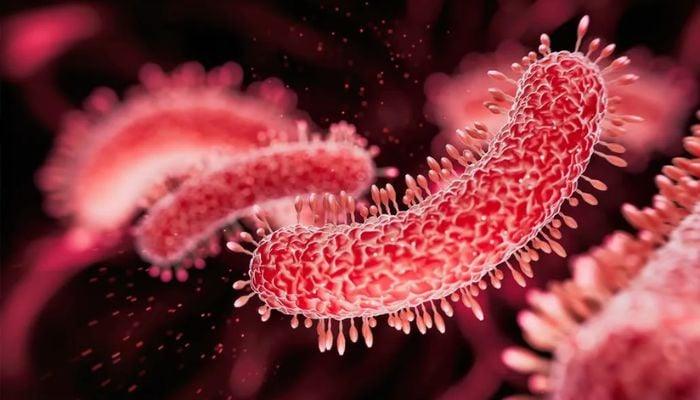
An outbreak of Legionnaires’ disease has hit New York City’s Upper East Side, with 46 confirmed cases and 22 hospitalizations.
Officials have identified 31 cooling towers that preliminarily tested positive for the bacteria.
What caused the legionnaires‘ outbreak?
The source appears to be contaminated cooling towers, which are part of huge cooling and refrigeration units that emit fog into the atmosphere. The disease occurs when people inhale water droplets that contain live Legionella bacteria inside.
Authorities have tested 183 cooling towers in the town, of which 31 were preliminarily positive. 19 towers have already been cleaned and disinfected, while another 12 have been ordered to do so by Saturday.
What are the symptoms?
Common symptoms include high fever, chills, cough, difficulty breathing, severe muscle aches, headaches, diarrhea, nausea, and confusion that usually appear 2 to 14 days after exposure.
Doctors recommend that anyone who has visited the affected area and develops flu-like symptoms seek medical attention immediately.
How is it treated?
Legionnaires’ disease is one of the serious types of pneumonia that requires immediate medical attention. Antibiotics are used to treat this condition and most people recover with early treatment. But complications such as respiratory and kidney failure can be fatal, especially for those who are vulnerable. People susceptible to this condition include adults over 50, smokers, and people with lung diseases.
Where do bacteria come from?
Bacteria grow naturally in warm freshwater environments, but become a health problem when they multiply in artificial water systems. The bacteria spread through aerosolized water droplets, not through person-to-person contact.