
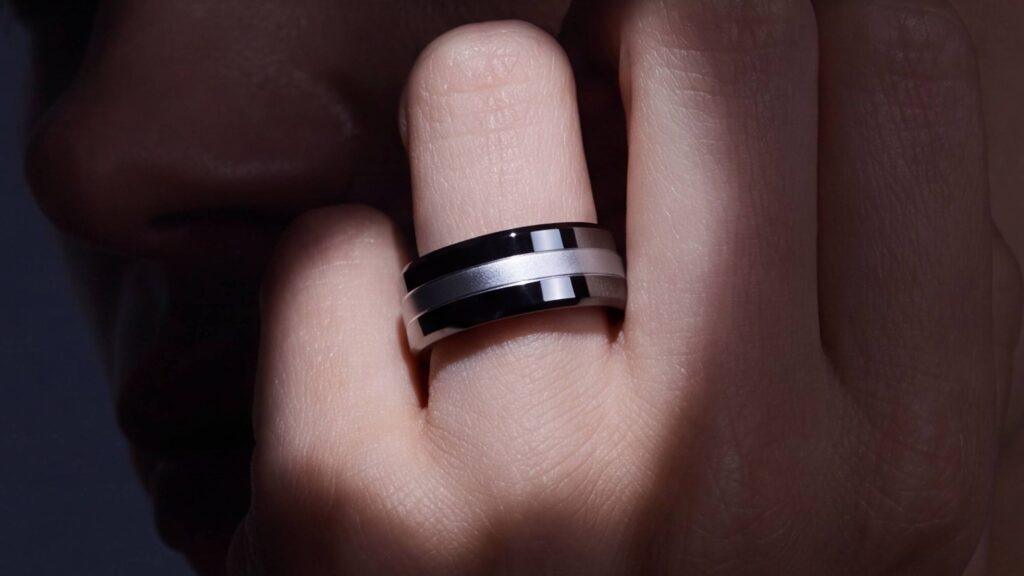
Blood pressure has long been considered the “holy grail” of wearable technology powered by PPG. Because (until now) you really need an inflatable cuff to measure, or at least calibrate, blood pressure readings, and that’s been difficult to do with just a smartwatch.
The Huawei Watch D series incorporated a bracelet into the smartwatch itself, while Apple introduced its Hypertension Detection feature, which detects possible hypertension after 30 days of wearing an Apple Watch, but does not actually provide blood pressure readings. No LED-based device has ever really been able to crack it. Until now, apparently.
Signal Ring is the brainchild of Tom Moss, a former head of Android at Google who has founded several companies since leaving Google and co-founded several other companies, including drone company Skydio, which eventually ended up being bought by Razr.

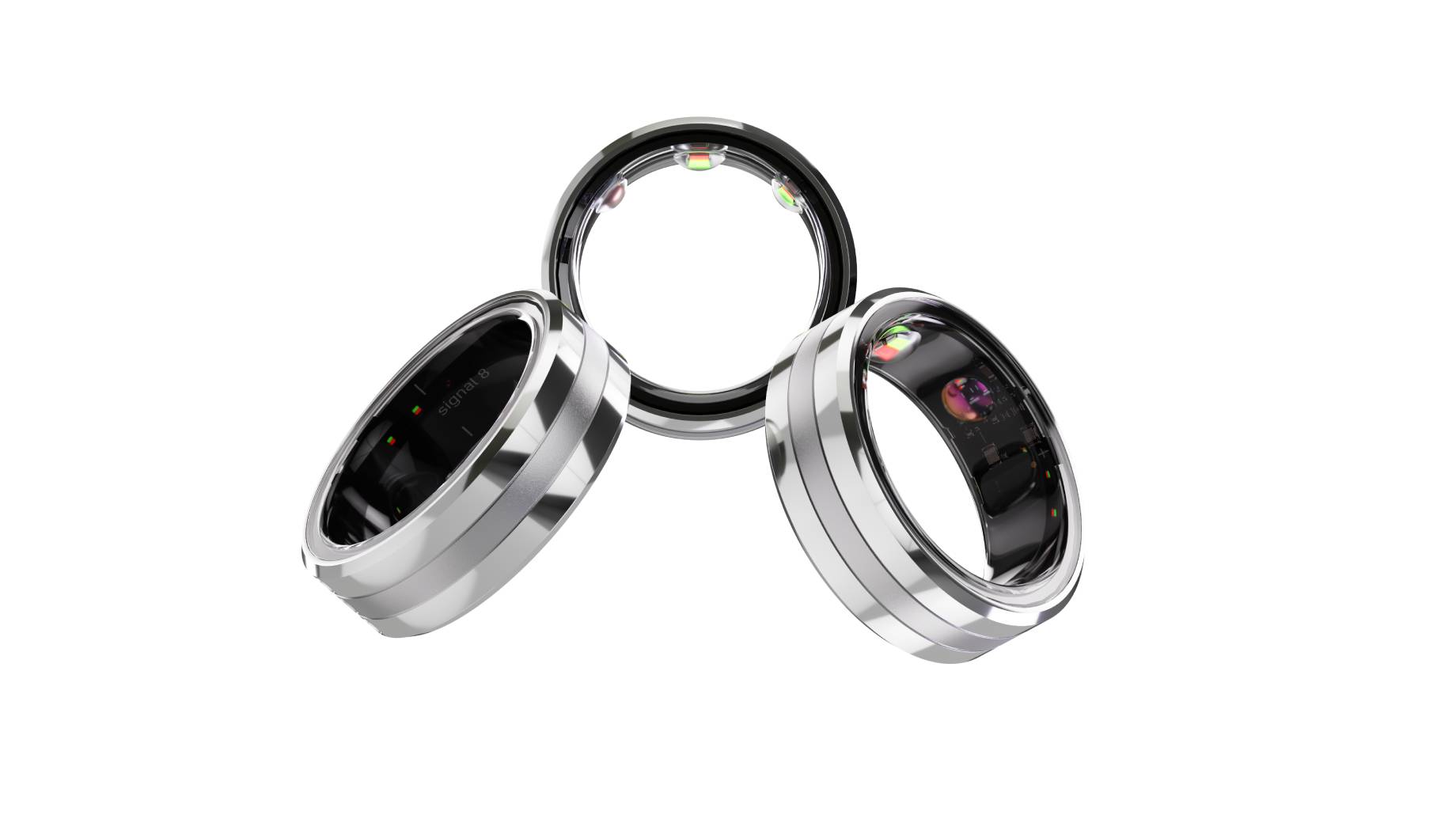
Signal is a smart ring with a difference: Instead of providing many different metrics like the Oura Ring 5 or the Samsung Galaxy Ring, or using AI assistants like the Google Fitbit Air, it’s designed by “a very smart group of multidisciplinary people focused on a single problem,” and that problem is blood pressure, which Moss was inspired to address after a cardiac event, a “hypertensive emergency.”
“My blood pressure was 250. If you can imagine, for blood pressure, 120 [over 80] “He’s healthy and fine,” Moss told me. “So 250 is like an incredible amount of pressure.”
After his event, Moss attempted to monitor his blood pressure, but struggled with incorrectly sized cuffs and sought a more technical solution. “I went online, bought all kinds of devices that told me they could monitor my blood pressure, whether they were portable or not, and they are all garbage.”
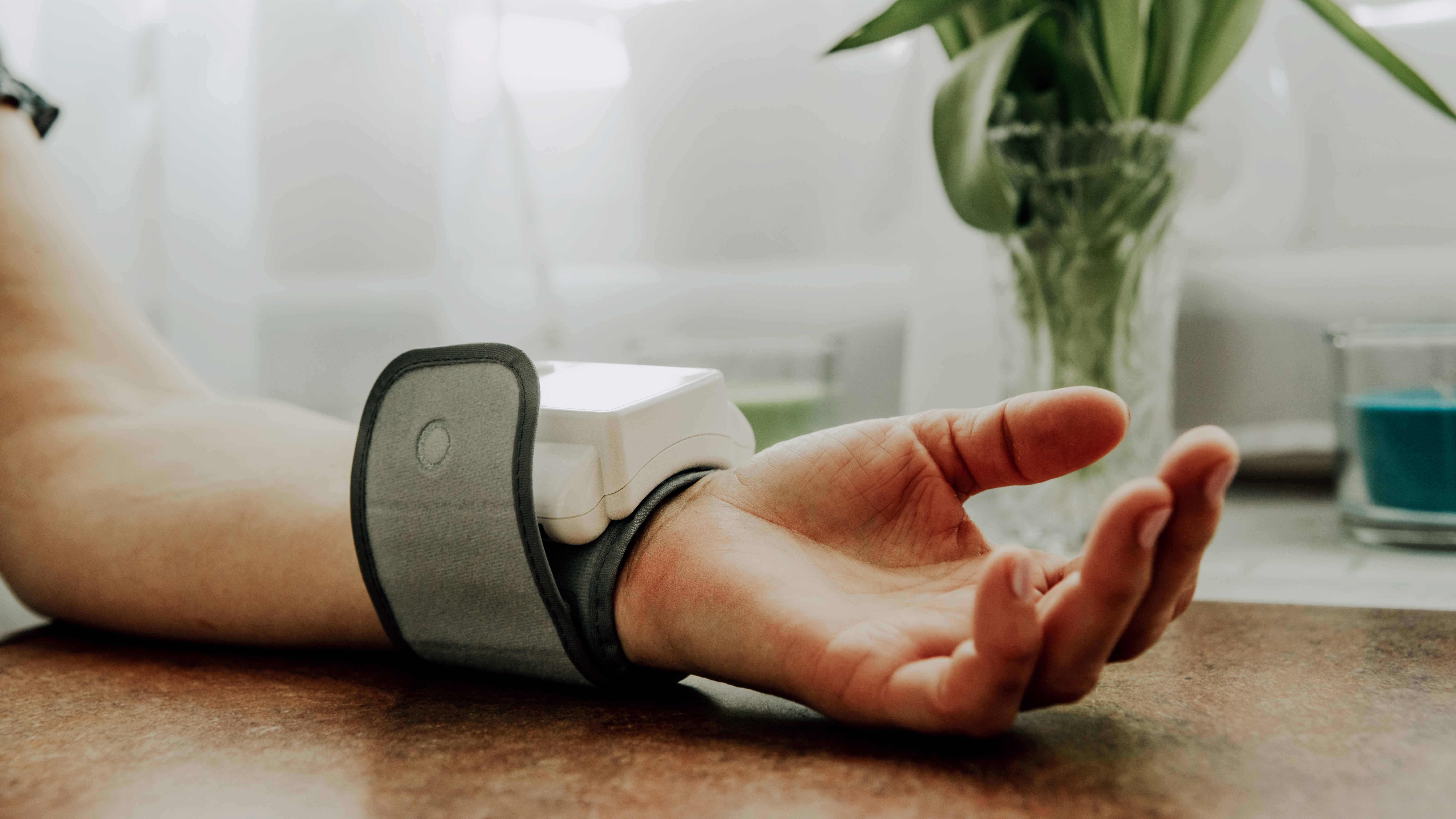
Some watches, like the Samsung Galaxy Watch series, use an initial blood pressure cuff reading to calibrate and then estimate your blood pressure by looking at other vital signs between calibrations. But Moss found this approach frustrating and inaccurate. “We needed a way to measure blood pressure from a wearable device, not just measure changes from a reference point.”
Working with scientists and engineers at Masimo (the company that sued Apple for infringement of LED-based heart rate sensing technology), Moss over three years developed the Signal Ring, which can take in-the-moment blood pressure readings and use a single number (a metric called “mean blood pressure”) to passively track blood pressure throughout the day, transmitting the information to its companion app via Bluetooth like any other wearable device.
I asked him how a startup could do something that Apple, Oura, Samsung, Google and others hadn’t, and his answer was one of specialization.
“This is our only goal as a company,” Moss said. “My co-founders have decades of knowledge about PPG, next-generation processing… we have a very smart group of multidisciplinary people focused on a single problem.”
Without including sensors needed for other functions, such as accelerometers to count steps, the team was able to decipher the mystery of blood pressure. “It’s not AI or anything like that, it’s not like we use some kind of magical new technology. We put the best people, the most equipped, to work on it.”
Interesting stuff in the wearables space, but only real tests will confirm their accuracy compared to conventional blood pressure measurements. Pre-orders for the Signal Ring are now available, priced at $399 (around £295 / AU$770) without a subscription (thank goodness!) and will likely ship in October.

Follow TechRadar on Google News and add us as a preferred source to receive news, reviews and opinions from our experts in your feeds.


