
- The European Union is working on technological reparability standards…
- …except some ‘wet appliances’ are now exempt
- This puts ‘body-worn devices’ in a very gray area…
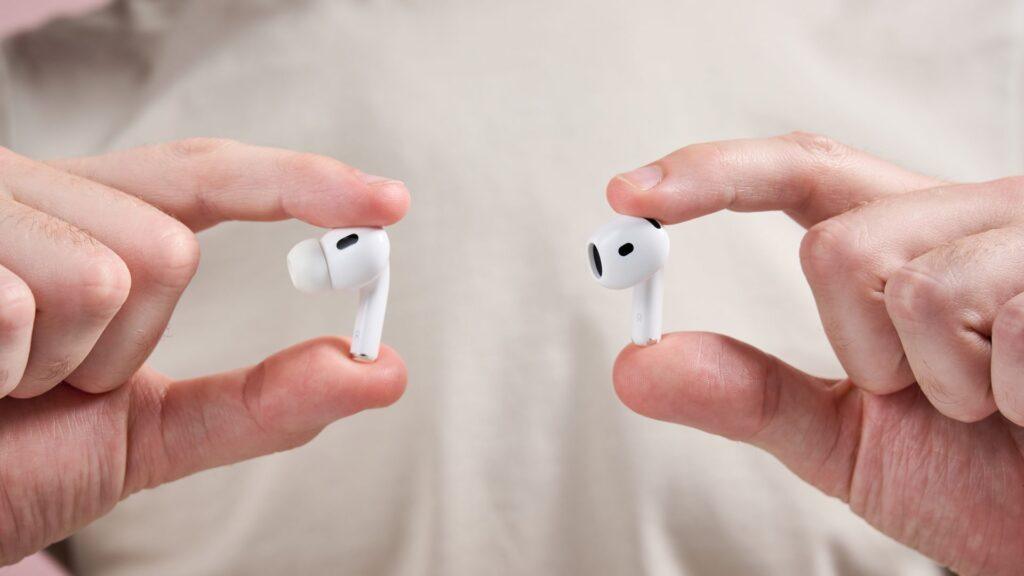
- …and yes, that probably means AirPods
E-waste worriers (and warriors) like me have been happily watching the creation of EU regulations, as some of them will require technology manufacturers to put replaceable or repairable batteries in their devices. But now there are some key new exceptions to the rule.
Some important new clarifications, listed on the European Commission website, mute the positive impact of replaceable and upgradeable technology. These exceptions mean that wearable devices, including smartwatches and fitness trackers, don’t have to be repairable, and I think it’s ironic that these are precisely the type of devices you’re more likely to throw away and replace, rather than attempt to repair.
The EU has moved these products to its “wet appliances” category, for appliances that cannot be repaired for safety reasons (i.e. because they deal with water). However, no reason was given why portable devices, especially those not designed for wet use (based on IP ratings), are now exempt.

While the EU rule change doesn’t actually mention AirPods (or headphones in general), what the wording essentially means is that wireless headphones, Apple Watches, and smart glasses also reportedly fall into this specific category of wearable devices. Smart glasses, to emphasize the point, are not actually designed for wet use, but their wearer could get caught in a storm by accident, say.
There are two key facts about the classification of small devices exempt from compliance with EU battery rules, as published in the recent guidelines. The first is that “wearables are portable electronic devices that are worn on the body and often have sensors and connectivity to collect and transmit data. Examples of wearable devices include smart watches, fitness trackers, smart glasses, or other electronic devices integrated into clothing and other accessories.”
The second? It has to do with IP ratings for water and dust ingress and whether the addition of a replaceable battery “compromises safety.” It states that if “there is evidence in the product’s documentation upon placing it on the market that the replaceability and removal of the battery by end users would compromise the safety of the user or the device,” the product may be exempt.
So your AirPods 4 with ANC will likely no longer need replaceable batteries due to the EU, including the case itself.
An apple a day keeps electronic waste away
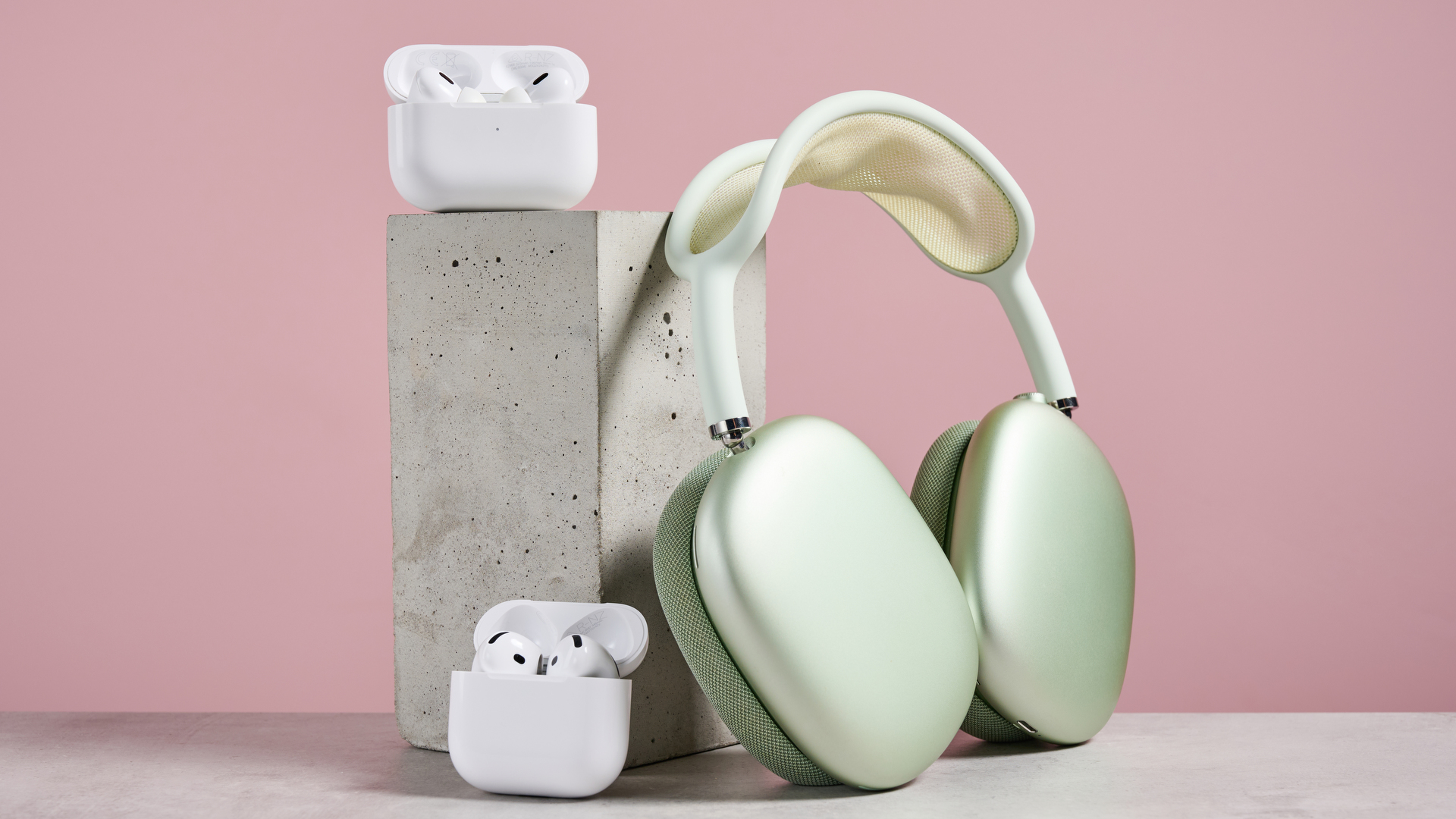
It’s no secret that e-waste is a huge problem: according to the United Nations, the amount of discarded electronics we produce is increasing five times faster than our ability to recycle them.
That’s why the EU recently pushed for rules to ensure the technology is repairable. A pair of headphones that break may simply need a new battery; You don’t need to buy a completely new pair.
Apple users have been begging for removable batteries in iOS devices, especially AirPods, as we argue in 2024. AirPods are the best-selling headphones in the world (and they’re not even close), so at least some many of them end up in landfills when they stop working, despite Apple’s belief in recycling those that return to its stores (Apple doesn’t offer any trade-in value for AirPods, but dropping them off for recycling is free).
I think it’s important that all technology is repairable (see B&O’s long-standing ‘Cradle to Cradle’ approach, including repurchasing and reconditioning your own kit, to give it a new life), but doubly so for the ubiquitous type.
Apple’s method is, of course, a viable way to preserve your green credentials while getting rid of unwanted buds, but it’s not the best. better shape. They would be replaceable batteries, however small and complicated, and it is possible, because Fairphone has been doing it for a while.
According to the mantra instilled in school children: reduce, reuse, recycle, in that order. Reusing old headphones, by repairing them, is much better for the environment than recycling them, so it’s a shame the EU is handing out exemptions like candy.
If you have any broken technical devices, whether headphones, earphones or anything else, a repair is always your first port of call before getting rid of your existing ones. It’s cheaper and faster than buying new technology and, most importantly, it’s better for the planet. And if you need to buy new technology, consider physical or online refurbishment stores like Back Market, which repair other people’s devices.

The best wireless headphones for every budget

Follow TechRadar on Google News and add us as a preferred source to receive news, reviews and opinions from our experts in your feeds.


