
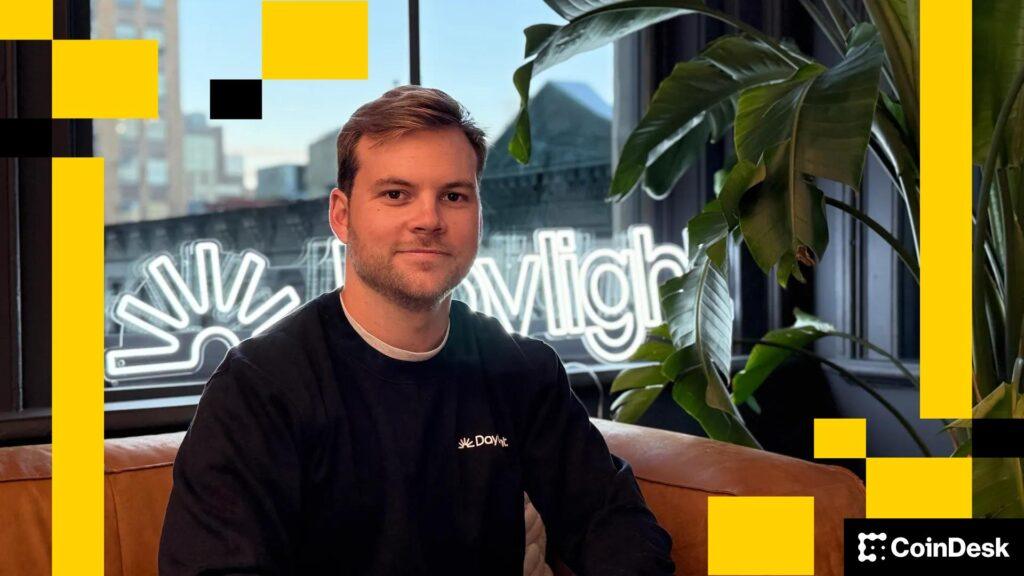
Daylight, a decentralized energy startup backed by a16z crypto and Framework Ventures, on Tuesday launched a new protocol on Ethereum that aims to turn electricity into a profitable crypto asset.
The protocol, called DayFi, aims to create “capital markets for decentralized energy,” Daylight founder Jason Badeaux told CoinDesk in an interview.
The rise of data centers, robotics, electric vehicles and autonomous fleets will dramatically increase energy demand, while installing new capacity the old-fashioned way is too slow and cumbersome today, Badeaux explained.
“Energy is becoming an obstacle to progress,” he said. “Distributed energy today offers the fastest and cheapest path to expand energy production and storage in electrical grids.”
DayFi’s model aims to unite DeFi capital with the growing need for distributed and resilient energy systems.
Bring RWAs up the chain
The move fits into a broader trend of tokenizing real-world assets (RWAs) such as US Treasuries, funds and now solar energy, creating new capital markets on blockchain rails through decentralized finance (DeFi) protocols and stablecoins.
Distributed energy systems face their own challenges, including high overhead costs and complex, educated sales cycles, Badeaux said. According to Daylight, approximately 60% of the cost of a typical residential solar installation comes not from hardware, but from customer acquisition and other inefficiencies.
To address this, DayFi is applying crypto-native tools such as token incentives and permissionless vaults to coordinate capital and scale infrastructure.
Badeaux said Daylight’s model brings together incentives, financing and standardization on a grid, making distributed solar more accessible to users and more usable by grid operators and energy traders.
“That is building a new type of financial instrument, one that cannot be accessed in traditional markets unless you are one of the few large banks underwriting huge securitizations of distributed energy portfolios,” Badeaux said.
How DayFi works
The core of DayFi is the use of two tokens: GRID and sGRID.
GRID is a stablecoin built on the M0 technology stack and is fully collateralized by US Treasuries and cash. Does not pay performance.
sGRID, the Yieldcoin, is a derivative that combines Treasury interest with real income generated by Daylight’s solar installations. Deposits are locked for two months using vault infrastructure provided by Upshift and managed with curation strategies by K3. The capital deployed by investors is lent against token claims on the cash flows of the energy infrastructure.
From the perspective of investors, they can deposit stablecoins in smart contract vaults. Those funds are used to finance rooftop solar and battery systems. Revenue from these energy systems (generated through long-term energy contracts, grid incentives, and participation in virtual power plants) is tokenized and returned to depositors in the form of a performance token.
Daylight is currently active in Illinois and Massachusetts, with plans to expand to more regional markets in the US, including California.
Read more: Obex raises $37 million to build a ‘Y Combinator’ for RWA-backed stablecoins, led by Framework and Sky


