
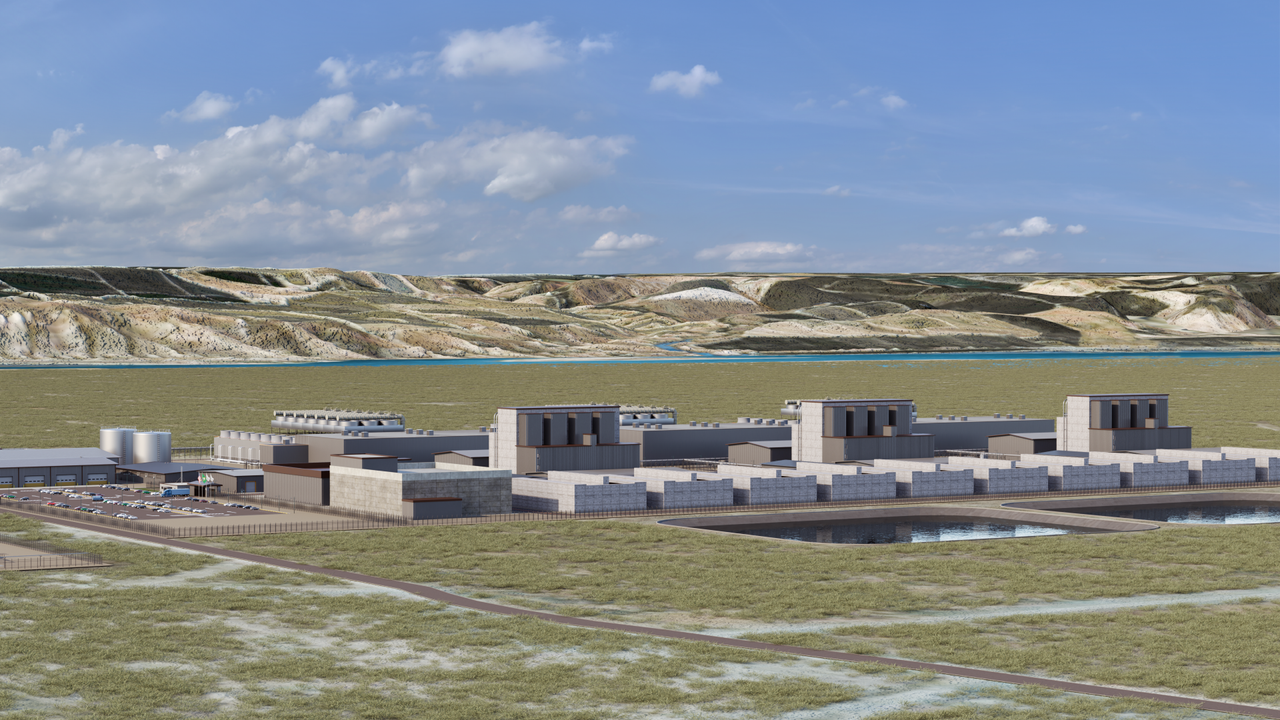
- AI allows engineers to detect design inconsistencies before construction begins
- Generative AI automates documentation workflows, creating traceable, audit-ready regulatory applications.
- High-fidelity digital twins validate designs virtually and reuse proven engineering patterns
The global energy sector is facing unprecedented demand, but nuclear power projects continue to face long delays even before construction begins.
Highly customized engineering, fragmented data sets, and labor-intensive regulatory reviews slow progress in the permitting, design, and construction phases.
Engineers often spend thousands of hours drafting, cross-referencing, formatting, and revising tens of thousands of pages, leaving development schedules vulnerable to inefficiencies and cost overruns.
Article continues below.
AI solutions to reduce bottlenecks in nuclear projects
These challenges reveal why nuclear power remains critical but slow to deploy, despite urgent needs for reliable, carbon-free energy, and to combat this, Microsoft and Nvidia are now collaborating to deploy artificial intelligence tools that reduce bottlenecks in nuclear project lifecycles.
“The world is racing to meet a historic surge in energy demand with infrastructure built for the analog era…Nuclear power is the essential backbone to this future, but the industry remains stuck in a delivery bottleneck,” Microsoft said in a blog post.
High-fidelity digital twins and simulations allow engineers to virtually validate designs, reuse tested patterns, and detect inconsistencies in the early planning stages.
Generative AI can automate writing, gap analysis, and documentation workflows, creating trackable, audit-ready applications for regulators.
This approach compresses authorization timelines and reduces manual work, allowing experts to focus on assessing security rather than reconciling large volumes of text.
“Two things are most important: enterprise-scale complexity and mission-critical reliability. There is no room for anything other than proven reliability,” said Yasir Arafat, chief technology officer at Aalo Atomics.
Once plants are operational, AI-powered sensors and digital twins monitor performance and detect anomalies, enabling predictive maintenance while human operators remain in control.
Southern Nuclear and Idaho National Laboratory have applied these tools to streamline engineering and safety analysis reporting, improve consistency, and support faster decision making.
AI also links design assumptions to operational performance, providing continuous visibility for operators, regulators and stakeholders.
This creates a more predictable and auditable environment that reduces risk without compromising security.
Nvidia startups Inception, Everstar and Atomic Canyon, are also contributing to this collaboration, each adding unique capabilities to the project.
Everstar uses its domain-specific AI for nuclear energy to help Azure manage project workflows and govern data pipelines, while Atomic Canyon gives developers access to these tools through standard enterprise acquisitions through its Neutron platform.
As AI continues to optimize engineering, permitting and operations, nuclear power can better meet the urgent increase in global energy demand.
However, the industry still must navigate regulatory complexity and the need for disciplined enforcement.
Follow TechRadar on Google News and add us as a preferred source to receive news, reviews and opinions from our experts in your feeds. Be sure to click the Follow button!
And of course you can also follow TechRadar on TikTok for news, reviews, unboxings in video form and receive regular updates from us on WhatsApp also.


