
- Growing fears about AI recently caused a sharp sell-off in software stocks
- SaaS Valuations Drop as Disruption Narratives Gain Momentum
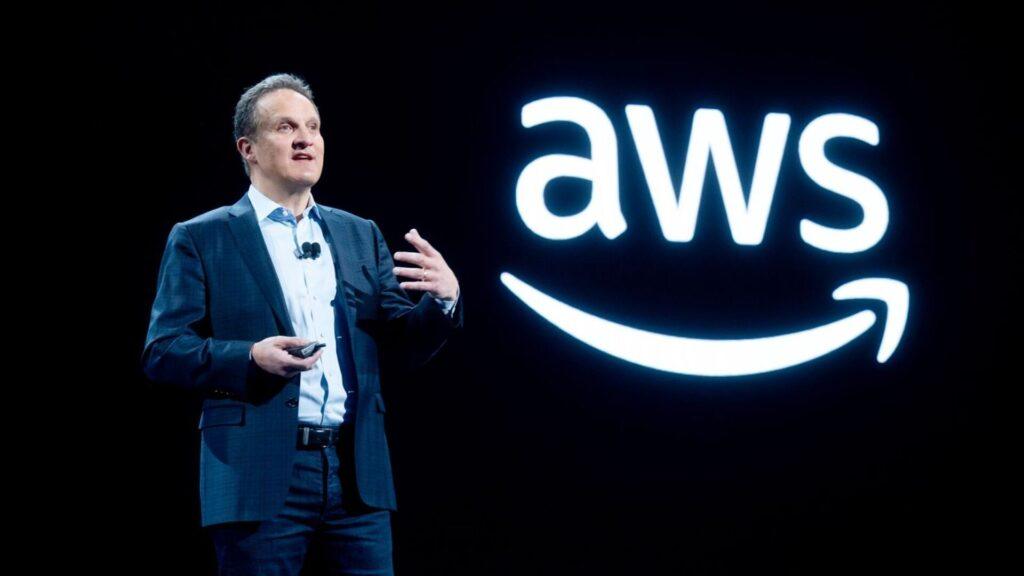
- AWS revenue growth outpaced broader tech market performance, CEO seeks to allay fears
Technology stocks have struggled in 2026 as investors reassess the business impact of the rapid advancement of artificial intelligence tools.
The pushback has been especially pronounced among software-as-a-service companies, where some analysts are now describing the crisis as a “SaaS apocalypse.”
The iShares Expanded Tech-Software Sector ETF has fallen about 24% this year, marking one of its weakest performances since 2022.
Investors react to AI shockwaves
This sell-off followed a wave of new AI features released by leading model developers, including OpenAI and Anthropic.
Investors appear concerned that AI systems could compress margins, reduce demand for traditional subscription products or shift spending toward infrastructure providers rather than application providers.
The market reaction suggests that expectations of disruption are being aggressively discounted, even as the company’s financial results remain relatively stable.
Amazon Web Services CEO Matt Garman has publicly argued that the market response may be disproportionate.
“Look, my own view is that a lot of the fear is overblown,” Garman told CNBC, and maintaining customers will require increasing amounts of computing power and infrastructure, regardless of how they integrate AI into their operations.
In Garman’s view, companies can build their own systems, rely on SaaS providers or combine both approaches, but the underlying demand for cloud capacity is expected to expand.
Amazon recently reported that AWS revenue rose about 24% year over year to $35.6 billion in the fourth quarter, beating analyst estimates. Its operating margins reached 35%, slightly up from the previous quarter.
These figures suggest that cloud infrastructure spending has not slowed along with the broader decline in stocks.
Some large software companies have introduced AI-powered features without seeing a dramatic acceleration in revenue growth.
ServiceNow reported fourth-quarter revenue growth of 20.7%, compared to nearly 26% two years earlier.
The slowdown does not necessarily indicate a deterioration, but it has fueled concerns that improvements in AI will not immediately translate into faster expansion.
AI is “a huge disruption… a disruptive force that is going to change how software is consumed and how it is built,” Garman added.
SaaS and the big players may have structural advantages, but Garman believes that “they have to innovate, just like the rest of the world. They can’t stand still. If they stand still, they will be absolutely disrupted.”
Markets often react sharply to technological change, but the gap between expectations and measurable impact remains uncertain at this stage.
Follow TechRadar on Google News and add us as a preferred source to receive news, reviews and opinions from our experts in your feeds. Be sure to click the Follow button!
And of course you can also follow TechRadar on TikTok for news, reviews, unboxings in video form and receive regular updates from us on WhatsApp also.


