
- AWS demand eclipses Arizona copper production despite renewed domestic mining activity
- Nuton Technology Shortens Copper Processing, Leaves Scale Limits Unresolved
- Only part of the agreement is based on Rio Tinto’s low-carbon approach
As global demand for copper continues to rise, Amazon Web Services has agreed to source freshly mined copper from Rio Tinto’s operations in Arizona, marking the first domestic supply of copper in more than a decade.
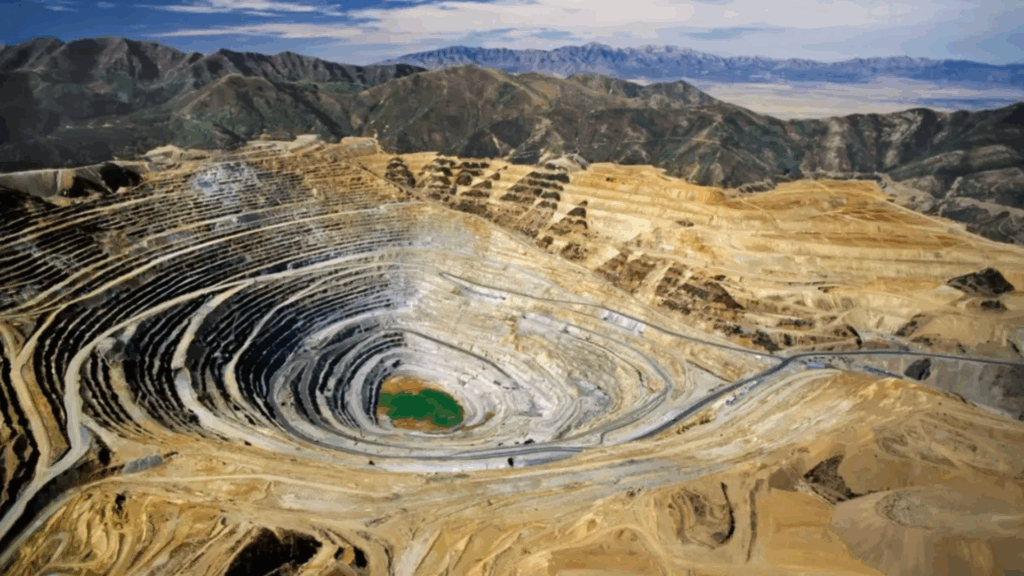
The material will primarily come from the Johnson Camp mine, which has been restarted as a testing ground for Rio Tinto’s Nuton bioleaching process.
The agreement ties copper production directly to the construction of data centers in the United States, where demand has increased sharply due to the expansion of computing infrastructure.
Nuton technology and digital supervision
Each hyperscale facility requires very large volumes of copper, raising questions about what impact a single mine can realistically have.
Nuton relies on natural microorganisms to extract copper from primary sulfide ores, avoiding several steps common in conventional processing.
The method produces a copper cathode at the mine site, reducing reliance on concentrators, smelters and refineries.
AWS infrastructure supports simulations of heap leach behavior and incorporates analytics into operational decisions.
These systems are similar to those used to manage AI tools in large software environments, although their effectiveness depends on the quality and stability of the geological input data and not solely on the sophistication of the model.
Rio Tinto claims that Nuton uses less water and generates fewer carbon emissions than standard concentration routes, while allowing the recovery of minerals previously classified as waste.
The process reportedly delivers a copper cathode with 99.99% purity, simplifying downstream logistics.
However, published projections indicate that only a portion of the total copper delivered under the agreement will come from this method.
Additional tonnage will be supplied by conventional pure mine leaching, reducing the overall environmental benefit claimed from the collaboration.
Over the next four years, Rio Tinto will produce around 14,000 metric tonnes of Nuton copper, with delivery close to 30,000 tonnes once conventional leaching is included.
A single large data center can consume tens of thousands of tons alone, showing that the deal covers only a small fraction of AWS demand.
Beyond physical supply, the deal gives AWS an early position in upstream materials tied to AI-driven infrastructure growth.
Copper remains essential for building the electrical systems that power data centers, making availability a practical limitation in large-scale AI deployments, including LLMs.
“Amazon’s Climate Commitment goal of reaching net-zero carbon emissions by 2040 requires us to innovate in every part of our operations, including how we source the materials that power our infrastructure,” said Amazon Chief Sustainability Officer Kara Hurst.
“This collaboration with Nuton Technology represents exactly the type of breakthrough we need: a fundamentally different approach to copper production that helps reduce carbon emissions and water use. As we continue to invest in next-generation carbon-free energy technology and expand our data center operations, ensuring access to low-carbon materials produced close to home strengthens both the resilience of our supply chain and our ability to decarbonize at scale.”
Follow TechRadar on Google News and add us as a preferred source to receive news, reviews and opinions from our experts in your feeds. Be sure to click the Follow button!
And of course you can also follow TechRadar on TikTok for news, reviews, unboxings in video form and receive regular updates from us on WhatsApp also.


