
Human rights body says 10-year PECA sentences are part of “systematic harassment” of lawyers
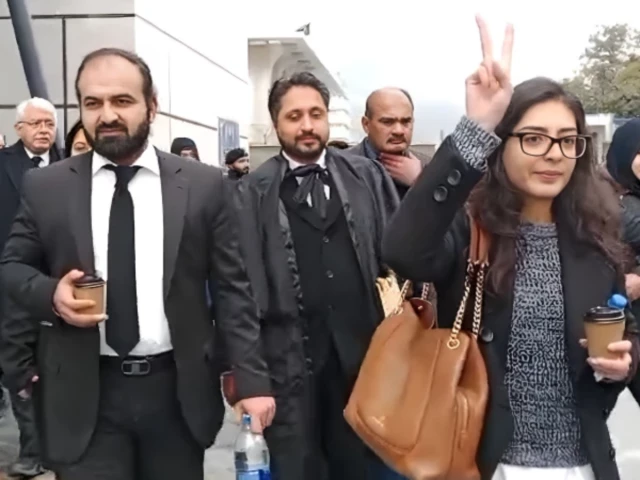
Lawyer and human rights activist Imaan Mazari and her husband, defender Hadi Ali Chattha. PHOTO: EXPRESS
Amnesty International’s South Asia chapter has condemned the convictions of human rights lawyer Imaan Mazari and her husband, lawyer Hadi Ali Chattha, calling them part of a “systematic campaign of harassment” against rights defenders in Pakistan.
Pakistan: Human rights lawyers Imaan Mazari and Hadi Ali Chattha have been behind bars for a month simply for exercising their right to freedom of expression. They were sentenced to 10 years in prison under Pakistan’s Prevention of Electronic Crimes Act on January 24… pic.twitter.com/BssnLSbNm2
— Amnesty International South Asia Regional Office (@amnestysasia) February 25, 2026
In an urgent action letter dated February 2, Amnesty had earlier urged Prime Minister Shehbaz Sharif to immediately and unconditionally release the two lawyers and quash their convictions.
Mazari, 32, and Chattha, 33, were sentenced on January 24 by an Islamabad district and sessions court to 10 years in prison each under the Prevention of Electronic Crimes Act (PECA). They were convicted under sections 9 (glorification of a crime), 10 (cyber terrorism) and 26-A (false or falsified information) for posts on X that expressed solidarity with Baloch and Pashtun activists and criticized the policies of the Pakistan Army.
They were arrested on January 23 while on their way to court despite having been granted bail before the arrest on January 21. Amnesty said witnesses reported the use of unnecessary force during his arrest. The lawyers remain imprisoned in Adiala Jail, Rawalpindi.
Amnesty expressed concern about what it described as a “rushed trial,” saying the pair were denied the right to cross-examine witnesses and present evidence in their defense. He also noted that the conviction was announced while a transfer request was still pending against the presiding judge, whom lawyers had accused of bias.
“Iman Mazari and Hadi Ali Chattha are being persecuted solely for their work defending human rights in the country,” Amnesty said.
According to the human rights group, the two lawyers have faced repeated arrests in recent years. Mazari was arrested in August 2023 on charges of terrorism after a speech at a rally and was released on bail a week later. In October 2024, both were arrested on terrorism charges related to the removal of police barricades during an international cricket team’s visit to Islamabad.
In August 2025, a case was filed against them under PECA for alleged “anti-state” publications, which led to arrest warrants. Although they were granted bail prior to arrest, it was later cancelled. Additional charges were filed through a previously unknown FIR related to a protest in Islamabad.
Amnesty said that immediately before sentencing, Mazari informed the court via video link that he was being denied food and water in prison and boycotted the proceedings over alleged ill-treatment in detention.
Read: ATC grants bail to Imaan Mazari and Hadi Ali Chattha in police fight case
The organization warned that their imprisonment affects journalists, activists and victims of forced disappearances and accusations of blasphemy whom they represent. “The use of laws such as PECA to silence and criminalize peaceful dissent is a matter of grave concern and a clear violation of Pakistan’s obligations under international human rights law,” he said.
Amnesty also linked the case to what it described as a broader crackdown on freedom of expression in Pakistan. Since PECA was enacted in 2016, he said, journalists, human rights defenders and opposition supporters have been detained and harassed under the law. The January 2025 amendments further restricted online expression by adding Section 26-A, which allows up to three years in prison for “false or false information.”
The human rights body urged the government to end the misuse of cybercrime and other criminal laws against human rights defenders and ensure fair trial guarantees in line with international standards.


