
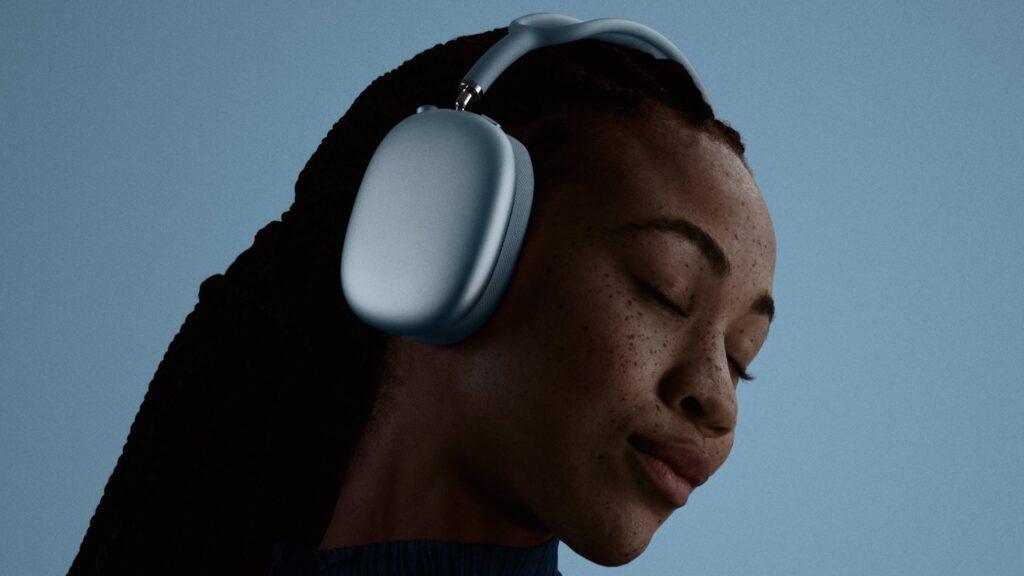
- The AirPods Max 2 will be available to order on March 25 for $549 / AU$999
- New H2 chip offers tons of smart features and ‘1.5x’ better noise cancellation
- There is a new amplifier to improve audio quality
Apple has just finally announced the AirPods Max 2, just over five years after the December 2020 launch of the original AirPods Max.
The new model will be available to order on March 25 for $549 and March 26 in Australia for AU$999, with Apple promising a launch “early next month”, meaning April 2026.
The AirPods Max 2 feature Apple’s H2 headphone chip, the same as the AirPods Pro 3, plus a new “high dynamic range amplifier” for improved audio.
Article continues below.
The H2 chip means a ton This model includes many new features, including adaptive audio, so Transparency mode can be set only to block out some unnecessary sounds; Conversation awareness so the headphones can let sound in if you start talking to someone; y Loud Sound Reduction and Custom Volume to help protect your hearing and keep the sound profile to your liking.
There’s now a Live Translation option, where AirPods will stream a translated version of what someone says into your ears if it’s in a supported language; Voice isolation to improve the quality of your calls when there is a lot of noise around you; and “Studio-quality audio recording” directly from the headset microphones.
You can now respond to certain things Siri tells you by nodding or shaking your head, and you can now control your iPhone’s camera using the Digital Crown, something Nothing just added with its mid-range Nothing Headphone (a) offering.
Apple also says that active noise cancellation is now “up to 1.5 times more effective than the previous generation,” and when I recently retested the original AirPods Max with the rest of the best noise-canceling headphones, I found that they still hold up very well, so they could go straight to the top of the pack here.
Apple hasn’t said if there are any changes to the AirPods Max 2’s audio drivers, but says there’s a “new high dynamic range amplifier” aimed at delivering the same type of sound signature as previous AirPods Max, but “cleaner.”
The sound signature of the original AirPods Max was always one of the most neutral sound options among the major headphone brands, although Sony has moved in that direction recently with the Sony WH-1000MX6, so it will be interesting to see how well Apple has maintained this.
The AirPods Max have always done a great job of delivering natural, expansive sound, so if Apple really added a “clean” upgrade, these could be very telling, depending on how they handle different sources.
Speaking of course, there’s still no, disappointing but not surprising, information on any kind of wireless high-resolution audio support here, but there is 24-bit/48kHz high-resolution audio support available over USB-C, which TechRadar’s audio editor tested in the update to the previous-gen model and really loved it. As before, there’s no pure 3.5mm headphone jack; you will need a USB-C adapter.
Apple says they will have lower wireless latency when playing in Game mode on compatible Apple devices.
They promise 20 hours of listening time, with spatial audio and active noise cancellation enabled, which is quite disappointing. We really expect 30 hours minimum these days (although I’d expect more than that figure if you have spatial audio disabled).
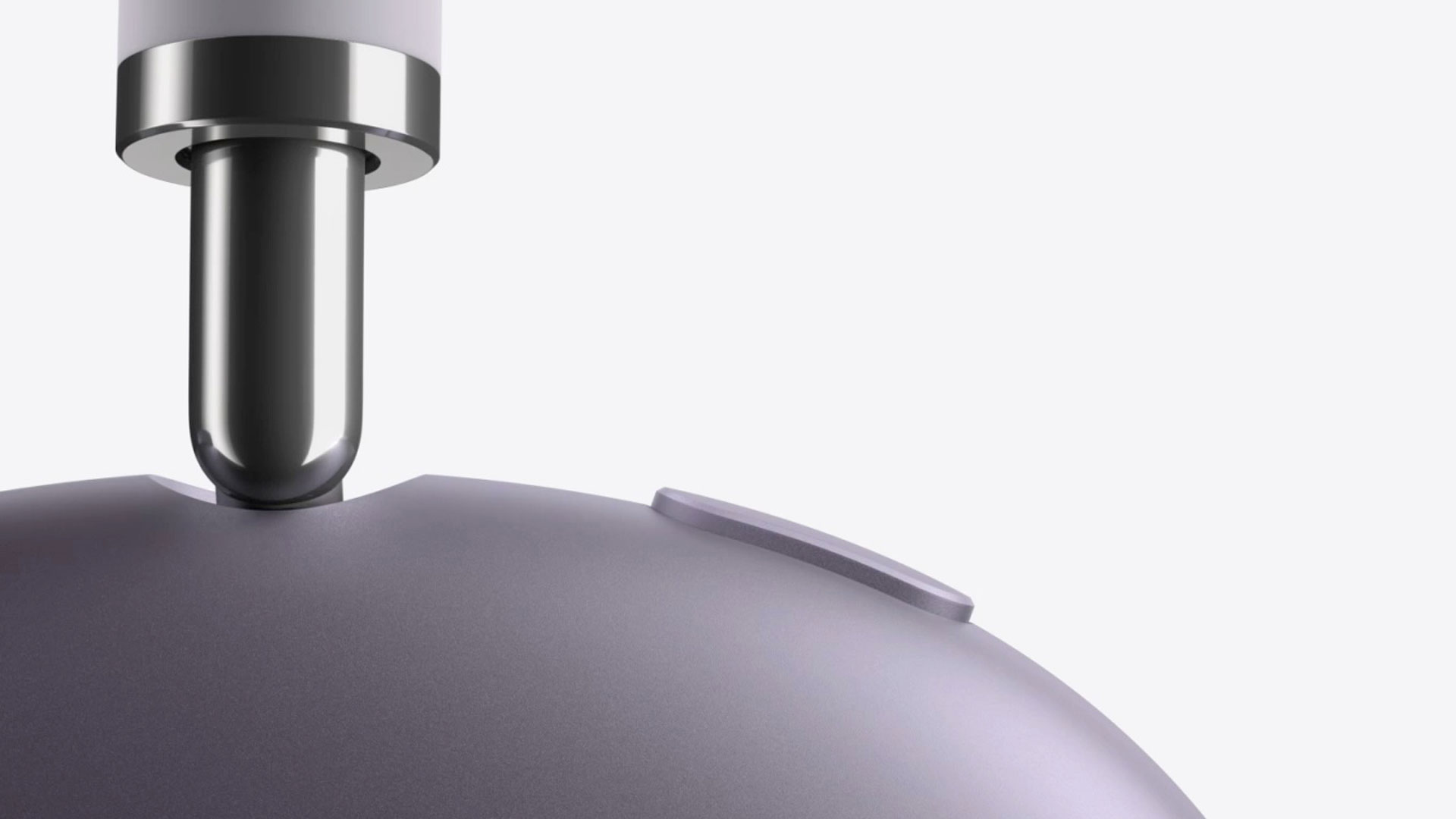
The design appears to have not changed at all, although Apple has a history of quietly reengineering things that appear Be the same as the previous generation, so it has subtle changes that are not evident until we try them.
Notably, and again disappointingly, they have not lost weight. In fact, at 386.2g, they weigh 1.4g more than the original.
And yes, they still come with the little Smart Case (which some team members call the ‘AirPods holder’) for travel.
They’re available in Midnight, Starlight, Blue, Purple and Orange, and I’m at least glad they kept a good range of shades available for the new version, although my favorite was always the green, which seems to have disappeared.
Follow TechRadar on Google News and add us as a preferred source to receive news, reviews and opinions from our experts in your feeds. Be sure to click the Follow button!
And of course, you can also follow TechRadar on YouTube and tiktok for news, reviews, unboxings in video form and receive regular updates from us on WhatsApp also.


