
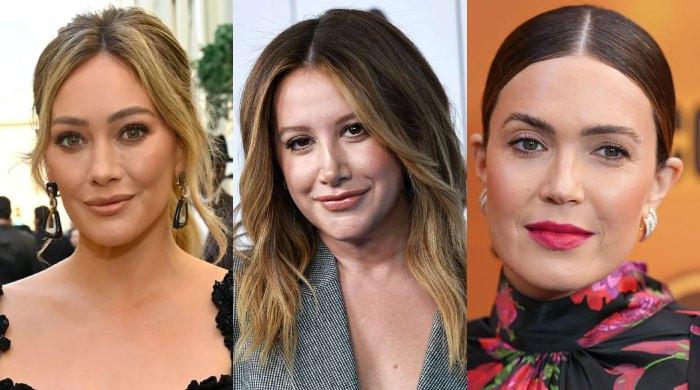
Ashley Tisdale says she walked away from a friendship circle she once thought was supportive, describing it as “toxic” and comparing it to the dynamics of high school cliques.
In a sincere essay for The cut about his experience, high school musical The star explained that being repeatedly excluded from social gatherings with her mothers group made her feel hurt and left out, to the point that she eventually cut ties.
Tisdale, 40, wrote that initially the group felt like a village of friends who could share the ups and downs of motherhood, but over time she began to notice subtle exclusion, from being left out of meetings to uncomfortable seating arrangements at dinner parties.
Social media only made her feel worse.
She recalled a time when she sat alone after putting her daughter to bed and suddenly felt “totally lost as to what I was doing ‘wrong’ to be left out.”
Eventually, Tisdale sent a group text saying, “This is too much high school for me and I don’t want to participate in it anymore,” and decided to prioritize her own well-being.
She told other stars and friends that motherhood brings enough challenges without having to question whether the people around you are really supportive.
Her decision sparked speculation online, particularly after she unfollowed some famous mothers on social media, including Hilary Duff and Mandy Moore, leading some fans to connect them to the group she mentioned.
However, a representative for Tisdale denied that the essay was about Duff, Moore or Meghan Trainor, saying the article was not intended to call out specific people.
While some members of the circle reportedly tried to smooth things over with her, Tisdale felt the overall atmosphere had become unhealthy for her own mental health.
In her essay she highlighted that she does not consider the majority of the women in the group “bad people,” but that the dynamic was no longer positive for her.
Tisdale’s reflection has sparked broader conversations online about the complexities of adult friendships and how even small social groups can feel like outsiders, especially during major life transitions like parenthood.
Her candor has resonated with many who have experienced similar social challenges, highlighting the extent to which adult relationships can sometimes mirror the childish behavior we adopt in the school years.


