
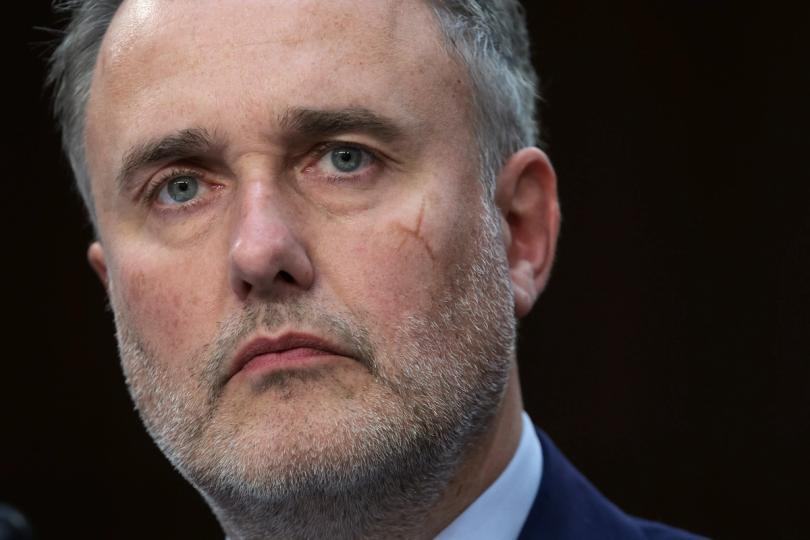
NEW YORK – BNY Mellon CEO Robin Vince said the next phase of cryptocurrency adoption will depend on large financial institutions, arguing that banks are positioned to connect digital assets to the broader financial system.
“We can act as a very effective bridge between traditional finance and digital finance ecosystems,” Vince said during a conversation at the Digital Asset Summit in New York on Tuesday.
His comments come as long-established banks expand their role in digital assets after years of caution. BNY Mellon was one of the first major custodians to offer custody of digital assets, and Vince framed that move as part of a longer pattern of adopting new technologies. “We are a company that has grown with a lot of different technologies,” he said.
Instead of seeing decentralized finance as a replacement for banks, Vince rejected the idea that cryptocurrencies will bypass incumbents. “A technology that is looking for adopters can sometimes struggle, but we are a vehicle for adoption,” he said, pointing to the bank’s existing customer base and infrastructure.
That positioning allows the company to support both sides of the market. “They look at us and say… they can actually be a bridge for us digital asset providers across all the traditional things that they do,” Vince said.
He highlighted tokenization as a key area of focus, including work to create digital versions of traditional products. “We have created digital tokens, new share classes for money market funds,” he said, describing how existing funds can be issued in tokenized form to encourage adoption.
In the short term, he expects adoption to focus on areas where current systems are not sufficient. “Lending is clunky. Real estate is clunky,” he said, suggesting those markets may benefit first from tokenization.
“Needs clarity”
Still, Vince emphasized that trust and regulation will determine how quickly the sector grows. “We need clarity and rules of the road,” he said. “That hesitation slows down adoption.”
His comments come as lawmakers are working to establish a regulatory framework for institutional investors to safely invest in the digital asset sector.
In the US, while the stablecoin-focused GENIUS Act passed, a revised version of the Digital Asset Market Clarity Act is still in flux after lawmakers shared updated language with industry participants in a closed-door session on Capitol Hill this week as they try to clear the way for a Senate Banking Committee hearing.
Early comments from crypto experts suggest that the draft’s focus on stablecoin performance remains a sticking point, with the language described as limited and unclear. The latest compromise, shaped in part by pressure from banks, would allow rewards tied to user activity but not interest on stablecoin balances, reflecting ongoing tension between the cryptocurrency industry and traditional lenders over how such products should be treated.
Vince added that security and oversight remain critical to institutional participation. “If it’s the Wild West… 90% of the financial services community… wants nothing to do with it,” Vince said.
Still, Vince cautioned that change will take time. “This will be a 5, 10, 15-year journey,” he said, adding that progress will depend on advances in technology, regulation and market share.
“It’s all of the above,” Vince said. “That shouldn’t stop us from getting excited about getting going.”


