
bitcoin rose on Monday, reportedly in anticipation of a Federal Reserve interest rate cut this week, although a continued rally in Treasury yields indicated caution.
The Federal Reserve is expected to reduce the target interest rate by 25 basis points to the range of 3.5%-3.75%. It would be the third consecutive reduction in the cost of borrowing, which would represent a cumulative flexibility of 175 basis points since September 2024.
Rate cuts typically inject liquidity into the financial system. This cheaper capital encourages borrowing and investment, stimulating risky behavior in financial markets and the broader economy. Lower policy rates also suppress short-term interest rates across the curve, driving up bond prices and lowering yields.
The expected net result is a bullish push in risk assets along with falling Treasury yields.
BTC appears to be behaving accordingly, trading more than 1.5% higher on the day near $91,800, CoinDesk data shows. Prices have made higher lows and higher highs since falling almost $80,000 about three weeks ago.
The surprise is Treasury yields, which are rising, not falling. The benchmark 10-year yield is currently 4.15%, the highest since Nov. 20 and up 2 basis points on the day and nearly 20 basis points since Nov. 28.
Hawk cut?
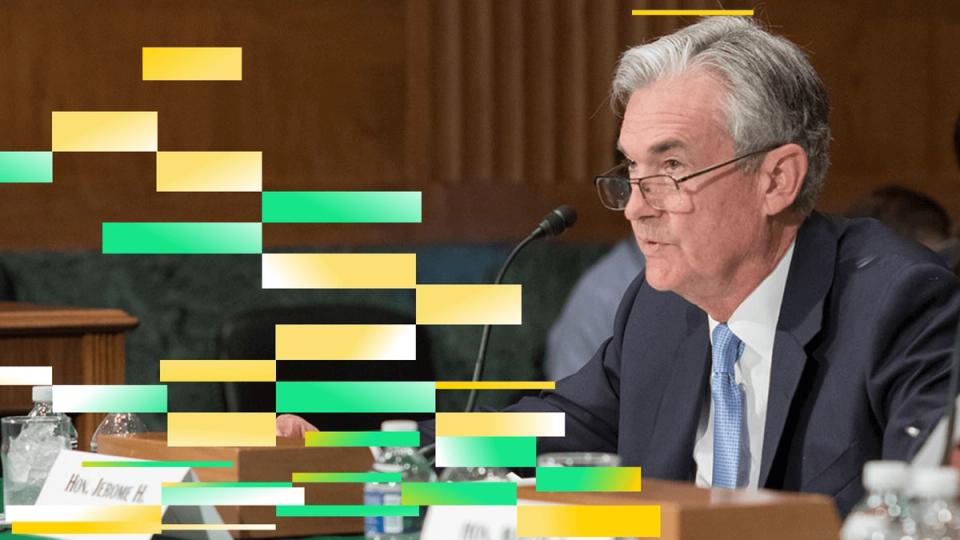
Observers suggest the yield move indicates a rate cut is a foregone conclusion, and bond traders are pricing in Chairman Jerome Powell’s likely evasive stance on further easing in 2026. Such an “aggressive cut” could weigh on risk assets, including BTC.
“The risk, however, lies not in the cut itself, but in the press conference that follows,” Markus Thielen, founder of 10x Research, told CoinDesk. “Powell is likely to signal a pause rather than a path of further cuts, and the bond market is already positioning itself for that outcome, while crypto markets have, so far, largely ignored it.”
Greg Magadini, head of derivatives at Amberdata, said the recent weakening of the US labor market and inflation numbers, including Friday’s delayed core PCE for September, supports the case for lower interest rates. However, the focus would be on targeting.
“Markets will be watching to see if the Fed’s rate cut is dovish or aggressive,” Magadini said.
Analysts at Dutch investment bank ING said the growing division at the Federal Reserve over whether inflation or labor market weakness is the main problem points to a slower pace of rate cuts in 2026.
“We doubt the Fed will suddenly ease more on the inflation narrative given the lack of timely data. As such, the most dovish they could be is to include a second rate cut for their 2026 forecast, but they will be reluctant,” the analysts said in a note to clients.
Moving away from the Federal Reserve, Jeff Anderson, Asia director at STS Digital, said the rise in the 10-year yield is consistent with the pattern seen in recent months, where it has tended to rebound from 4%.
“Rate volatility has been extremely low since this summer and the market has been happy to sell Treasuries (buy yields) every time we get down to 4.00%,” Anderson said.
Anderson explained that the market is currently more focused on Japanese government bond yields and their impact on global markets. Over the weekend, CoinDesk discussed how Japan’s rate hikes could raise bond yields around the world, potentially causing market jitters.
“The market is more focused on Japanese yields (potential rise in December and deleveraging of risk assets) and whether the Fed will start buying Treasury bills this week,” Anderson said.
The recent tightening of dollar liquidity has sparked speculation that the Federal Reserve will soon announce “reserve management purchases, including purchases of Treasury notes or short-term Treasury bills.” According to some observers, the bank could discuss such purchases this week.


