
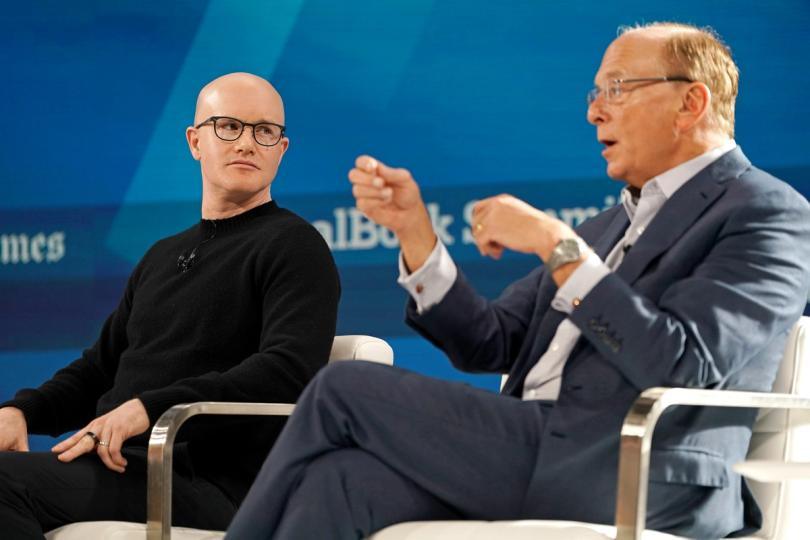
During his trip to Davos for the World Economic Forum, Coinbase CEO Brian Armstrong shared that a senior executive at one of the world’s 10 largest banks told him that cryptocurrencies are now their “number one priority” and that they see them as “existential.”
Armstrong’s post, shared on X, highlighted a shift in the way legacy financial institutions relate to cryptocurrencies. The comment underscores the growing urgency among traditional banks to adapt to crypto infrastructure, particularly as global regulators move closer to establishing clearer rules for digital assets.
We have just concluded our week in Davos. I don’t love wearing a suit every day, but sometimes it has to be done!
Davos is a unique place: world leaders and CEOs (and many cryptocurrency companies!) gather in a small mountain town in Switzerland for a few days. It is a productive… pic.twitter.com/0lO5TqRhkL
—Brian Armstrong (@brian_armstrong) January 24, 2026
Armstrong did not name the bank or the executive, but said many financial leaders he met during the week-long event were not only open to cryptocurrencies, but were actively looking for ways to get in. “Most of them are actually very pro-crypto and are leaning towards it as an opportunity,” he wrote.
For banks that rely on legacy payment pathways, cryptocurrencies represent both a challenge and an opportunity.
Read more: Bank of America CEO says stablecoins could drain trillions in bank deposits
Push for tokenization
As stablecoins and tokenized assets gain momentum, the threat of disintermediation grows. A global asset manager or fintech company may one day be able to bypass traditional banks entirely by offering direct access to tokenized securities or stablecoin-based transfers, moving value instantly, without delays or intermediaries (a central pillar of cryptocurrencies).
Armstrong said tokenization was one of the most discussed trends at Davos, expanding beyond stablecoins into stocks, credit and other financial products.
He pointed to the approximately 4 billion “unbrokered” adults around the world who lack access to high-quality investments. Tokenization, he argued, could help close that gap.
“Let’s hope for some major progress here in 2026,” he added.
CLARITY Regulation
The Coinbase CEO also noted that political support for cryptocurrencies in the US appears to be strengthening.
He cited the Trump administration’s push for cryptocurrency-focused legislation, such as the CLARITY Act, which aims to provide a regulatory framework for digital assets. Armstrong did not mention his company’s decision to withdraw support for the crypto market structure bill at the last minute, after which the hearing was delayed.
Read more: Here’s why Coinbase and other companies soured on major cryptocurrency bill
Armstrong described the administration as “the most crypto-advanced government in the world” and said pushing for clear rules is essential to keeping the United States competitive as countries like China invest heavily in stablecoin infrastructure. A topic that Donald Trump also spoke about during his speech in Davos.
AI and cryptography
Armstrong also said that artificial intelligence (AI) and cryptocurrencies were the two most discussed technologies at Davos.
While the rise of AI has taken the wind out of cryptocurrencies in capital markets, Armstrong emphasized that the two are closely linked. AI agents, he said, will likely default to stablecoins for payments, completely bypassing conventional identity checks and banking restrictions.
“The infrastructure exists and its use is growing rapidly,” he added.
The message from Armstrong’s Davos summary was clear: cryptocurrencies are no longer a fringe experiment. For at least some of the world’s largest financial players, it is now a strategic priority and possibly a matter of survival.
Read more: Coinbase CEO Brian Armstrong discusses performance and the ‘bitcoin standard’ with French Central Bank chief in Davos


