
More than half of cryptocurrency investors do not understand the fundamental concept of taxation when it comes to their digital asset holdings, according to a survey conducted by Coinbase (COIN) and CoinTracker, a US-listed cryptocurrency tax and portfolio tracking platform.
The 2026 Cryptocurrency Tax Readiness Report found that only 49% correctly understand that cryptocurrencies are subject to taxes whenever they are sold, while nearly a quarter mistakenly believe that simple transfers trigger tax events.
Although most users have good intentions when it comes to cryptocurrency tax compliance, the cross-platform reality of cryptocurrency ownership exacerbates the so-called cost basis problem, when deducting the original purchase price of an asset to declare capital gains.
The survey found that users had an average of 2.5 platforms/wallets, 83% used self-custodial wallets, and only 35% reported that they had adjusted their cost base in the past. The survey, conducted in late 2025, surveyed 3,000 US cryptocurrency users.
Confusion around the cost basis in the new 1099-DA forms is made worse by a degree of overreporting built into the new regime, Coinbase says. This is because everyday activities such as stablecoin payments and Ethereum gas fees trigger taxable events, while generating little meaningful tax revenue.
Coinbase said it expects to issue more than four million 1099-DA forms to clients with less than $600 in income, in addition to the fact that more than 60 percent of its clients have incomplete cost base data due to the way digital assets move between wallets and platforms.
“Today, that means every stablecoin payment, every little DeFi [decentralized finance] transaction, every gas fee is technically a taxable event,” Coinbase said. “The compliance burden this places on ordinary Americans is not only inconvenient, it is a direct threat to the adoption and innovation that the GENIUS Act was designed to unlock.”
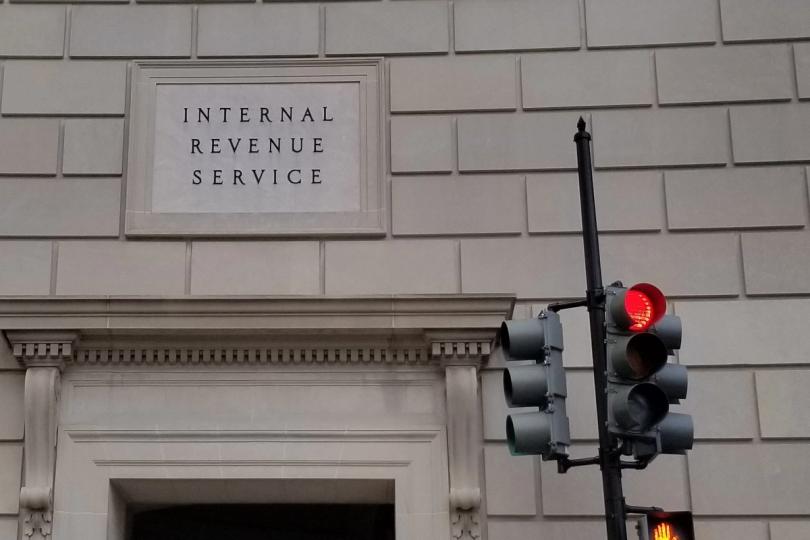
Despite the difficulties, the move to standardized reporting on crypto taxes will help adoption in the long term, said Matt Price, director of research at blockchain analytics firm Elliptic. Price, a former IRS special agent focused on criminal investigations, sees this as a shift toward targeted law enforcement rather than the broad, manual investigations of the past.
Price, who was also head of investigations at Binance, understands the complexity of taxing cryptocurrencies, as he was partially paid in cryptocurrency by Binance and has to account for a volatile asset in the form of payment.
“How can you even report it?” Price said in an interview. “I didn’t even have a 1099 to report that, so I basically had to do all of my own accounting to file accurate taxes to account for that information.”
As such, the arrival of 1099-DA forms signifies a welcome standardization that simply brings cryptocurrencies in line with what other financial products have had for years and reflects the 1099-B approach to brokerages.
“There are certainly nuances and it is true that the basis is more difficult to calculate given the high frequency of operations,” Price said. “But there are also some parallels in traditional investing; I don’t know how many retail traders do algorithmic trading on Schwab, for example, but it’s also a very similar type of trading. If they can figure it out, I think the industry probably can.”


