The debate over scheduling college basketball in the NCAA Tournament has become a bit one-sided in recent weeks thanks to Miami (OH) and other leagues in between.
The topic has been a hot topic that skyrocketed even more as Miami (OH) got closer and closer to March Madness. For some programs, the complaint is familiar: Teams from power conferences avoid scheduling such teams, fearing a loss that could damage their postseason resume.
Is Texas the new Cinderella? Longhorns shocking Gonzaga confuses us how to describe NCAA tournament upset
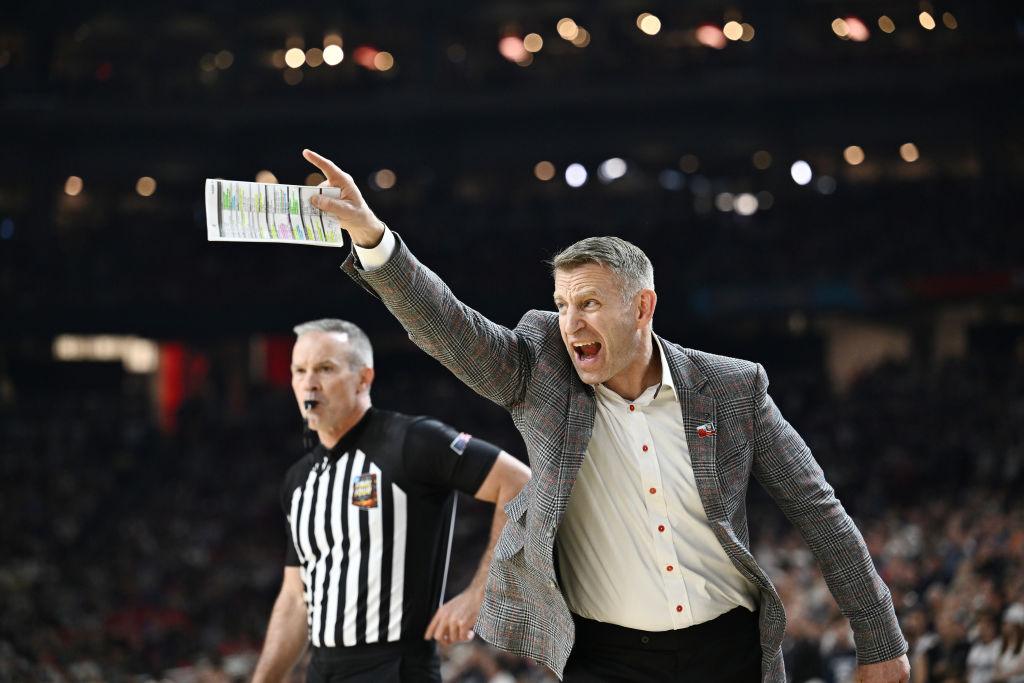
But that argument only goes so far when you listen to coaches like Purdue’s Matt Painter and Alabama’s Nate Oats.
There are a limited number of non-conference games available. Between marquee events like the Maui Invitational and existing conference obligations, power-four programs have limited flexibility when creating their schedules. At least according to some.
And not all mid-level opponents help.
With teams from leagues like the Sun Belt, MAC, AAC, and Mountain West, it’s not easy to find the right matchup, one that strengthens a team’s NET rating and strength of schedule.
The shoe didn’t fit: Tennessee dominates Miami (OH) in March Madness loss, but the RedHawks won’t be forgotten
Painter made that clear when responding to comments from Miami (OH) coach Travis Steele, who suggested that power conference teams are “dodging” the major leagues.
“If I was in my position, you would play 11 non-conference games. Next year, it will be 12. So we played 6 high-level games and we played 5 mid-level teams,” Painter explained. “So when they say they don’t play mid-majors, we played 5 mid-majors this year. But if he was in our position, he would do the same thing as us.”
Wow, that’s a strong opinion, and you’re actually making a valid point about how many games your Boilermakers can actually play. Add in the fact that each year, whether a team is good enough to sign you for a ‘Buy Play’ while also not destroying your SOS ranking, it changes based on the quality of those teams.
But when it comes to “dodging,” as some mid-level coaches have hinted at over the past few weeks, sometimes the current schedule shows that some, not all, P-4 schools like Purdue and Alabama are inviting the fight.
“We’ve played Akron. We’ve played Kent State. We’ve played Oakland. We’ve played mid-majors, but everyone plays mid-majors,” Painter said. “All the majors play in the mid-majors. They just say they’re not going to play them. And it’s really a backhanded compliment that they’re not playing them. But we’ve proven ourselves.
“The Miami kid from Ohio says ‘nobody’s going to play us,’ well, Akron has been the best team in the league. Kent State has been the best team in the league. We played them.”
Nate Oats came from a mid-senior throwing shadow (Buffalo)
The question of how teams organize their schedules isn’t going away anytime soon.
Many times, coaches would prefer schedules to be completed months before the season began. In the case of Miami (OH), Steele made it known on numerous occasions that his team waited until October to sign contracts with schools that could fill their schedule.
When they couldn’t find opponents at the Power Four level, the RedHawks ended up agreeing to play some NAIA teams. Obviously, that didn’t help their schedule, and that dogged them for much of this season.
But just because some schools are struggling doesn’t mean there’s a nationwide problem in college basketball, given how many teams are looking for “bought games” or tougher opponents to help their SOS.
So when asked Saturday what he thought, Alabama’s Oats didn’t seem to have much sympathy for a school like Miami (OH).
“The only middle schools we turn down are those that aren’t good enough. When we look at our ‘buy’ games, they have to be good enough because I don’t want to play Quad 4 games,” Oats said. “For me, I want to play really good games.
“I think if you call, some of the middle schools we’re talking about couldn’t find games, they played multiple non-Division I games. I’m not sure how hard you tried if you’re playing three non-Division I games.”
I think it’s fair to say that power-four coaches are tired of hearing about the “squat” component of college basketball.