
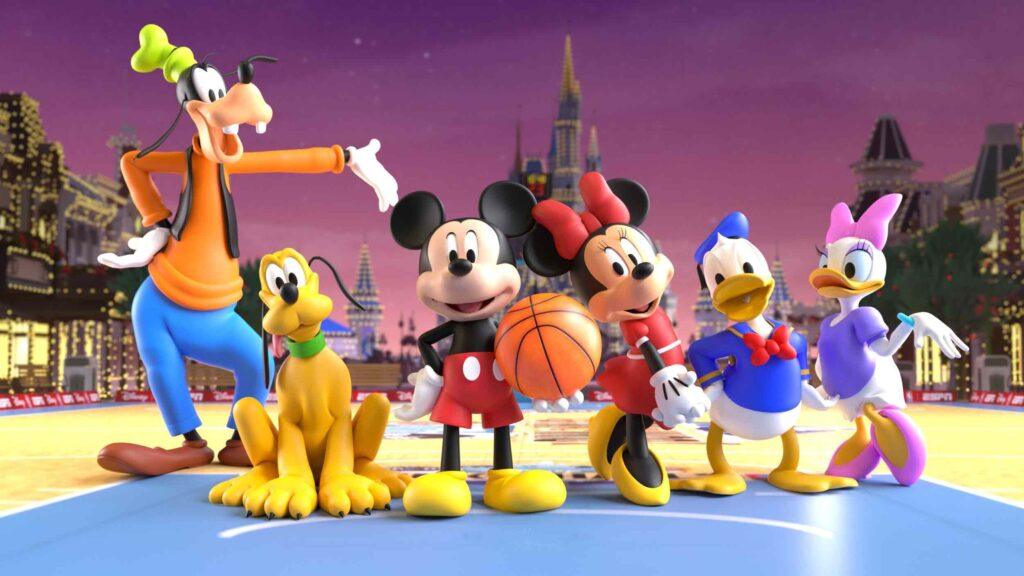
- Google AI imaging tools now block many Disney character prompts
- The change comes after a cease and desist letter from Disney.
- Users who previously used Gemini and Nano Banana to generate images of characters like Yoda and Elsa are being blocked.
Disney has rejected AI from creating unauthorized images of its characters, at least using Google tools. After a cease-and-desist letter from Disney in December accusing Google of allowing its models to behave like a “virtual vending machine” without an intellectual property license, the tap on Disney character images produced by Gemini and Nano Banana has been completely turned off.
Prompts that easily produced high-quality images of familiar characters are now met with denial messages explaining that the request cannot be fulfilled due to “concerns from third-party content providers.” Google’s tightening of filters in response to Disney is another sign that the Wild West era of AI images may be coming to an end.
Of course, few AI prompt blocks are truly airtight. Users have already shared some limited loopholes, such as uploading a photo of Buzz Lightyear and combining it with the figure to make a virtual toy of the character. But imposing clear limits on copyright on AI systems that combine text and images will probably never be perfect.
Still, Disney’s 32-page legal warning to Google has done its job. You will no longer create Iron Man, Darth Vader or Elsa from an eight-word text message. Disney argued that this amounted to unauthorized scale reproduction of copyrighted works and that Google’s models had been trained on copyrighted Disney material without permission.
The company demanded that Google immediately stop producing unlicensed character images, stop training models on its intellectual property, and establish systems that would prevent future unauthorized use. He also claimed that Disney had been raising concerns for months without significant progress.
AI copyright
Google publicly assured Disney and other intellectual property holders that it was working on better copyright controls, such as Content ID, which gives rights holders some ability to manage how their content is used. The company also rejected the training allegation, firmly stating that its models are trained with data from the public web. Of course, any random Disney characters and details can be picked up on that network. However, legal pressure appears to have led to policy changes.
Disney didn’t mention it in its letter, but the fact that the entertainment giant has its own AI plans almost certainly influenced the legal effort. Disney recently signed a billion-dollar licensing deal with OpenAI, authorizing the use of Disney characters within OpenAI’s Sora video generator.
Disney clearly sees economic value in generative AI, but wants to make sure it has its hands on the wheel. Users may eventually find themselves navigating a fragmented landscape, where each AI platform has different rules for what can be generated depending on which rights holders are in active negotiations.
Follow TechRadar on Google News and add us as a preferred source to receive news, reviews and opinions from our experts in your feeds. Be sure to click the Follow button!
And of course you can also follow TechRadar on TikTok for news, reviews, unboxings in video form and receive regular updates from us on WhatsApp also.
The best business laptops for every budget


