
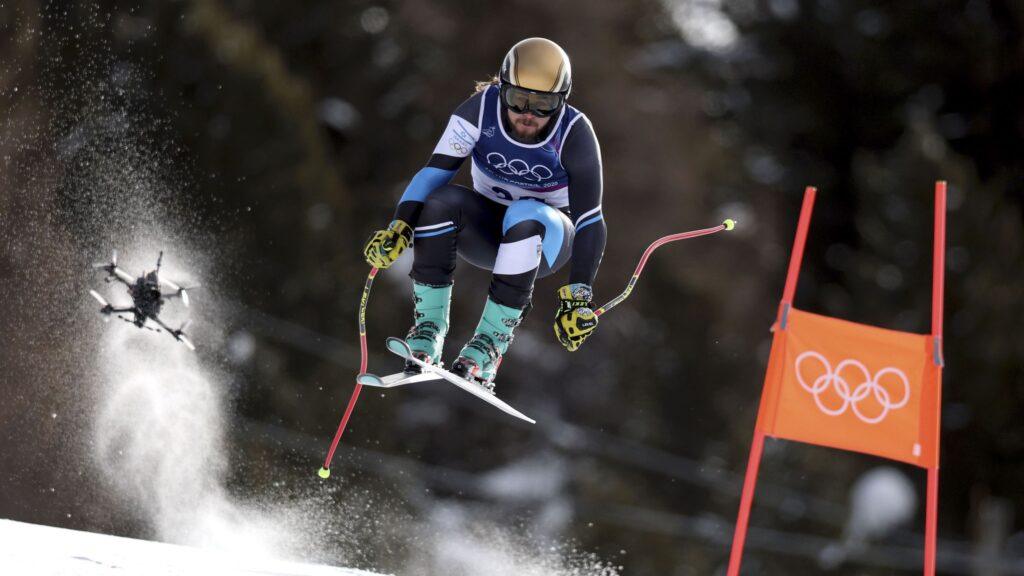
I spent much of the weekend curled up on the couch with my family, hooked on the action of the Milano-Cortina Winter Olympics. The sheer speed, skill and courage of the athletes never ceases to amaze, and this time the action comes to us armchair viewers from new and immersive angles, thanks to custom-made FPV drones.
Following bobsled – the fastest sport on ice – through narrow channels and sliding down mountain sides in pursuit of alpine skiers topping 80 mph, drones are capturing a sense of speed and drama like never before at the Winter Games.
What they’re also adding, much to the chagrin of many viewers (and potentially athletes), is a distracting hum. Yes, FPV drones can be loud, and they’re drowning out the sounds of metal, fiberglass, and wood on ice (and cowbells) to become the soundtrack to the event.
Image 1 of 2
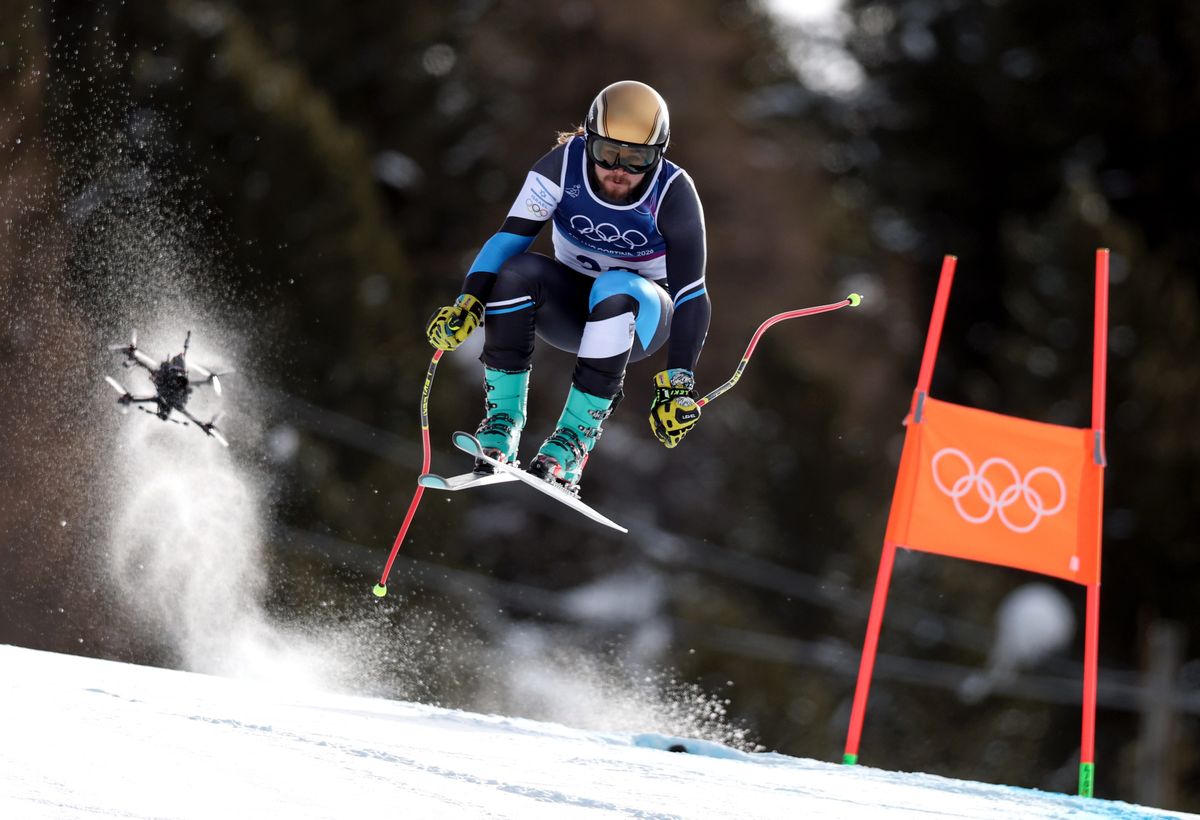
Drones at the Winter Olympics polarize spectators; “Drones can buzz,” one sounds; “Drone tracking camera at 90mph downhill skiing has been crazy! Best vantage point,” says another.
For me, this comment from the Reddit thread sums up the situation perfectly: “I try to ignore the sound as much as I can, but it’s worth it.” [sic] the incredible POV it provides. As long as the athletes don’t distract him, everything is fine.”
In general, the new camera angles that follow the athletes are welcome; the noise of the technician capturing those shots, not so much.
And then there are the athletes: how do they cope with the close presence of drones while channeling years of training in an attempt to perform on the big stage? Are they a distraction?
So, the big question that is already on everyone’s lips is: is it possible to enjoy the benefits of drone imaging, without the drawbacks associated with the hardware?
An evolution in the coverage of the Olympic Games
In its daily briefing on February 9, found on YouTube, the IOC was asked about how athletes are responding to drones and the measures taken to ensure drones do not affect their performance.
Pierre Ducrey, sporting director of the IOC, said: “When you prepare to broadcast a competition like this, you spend a lot of time practicing for testing, even with some of the highest level athletes, to make sure the distances are right, to make sure the noise level is right, to make sure there is the minimum level of disturbance.
“It’s an evolution, for sure, people aren’t used to seeing shadows on the pitch, or hearing noise, it’s different. But the integration of performance and this seems like something we can absolutely handle, and it gives the results we’ve seen over the weekend, so we’re very happy with it.”
In fact, Games organizers say they have so far received no complaints from athletes about the drones.
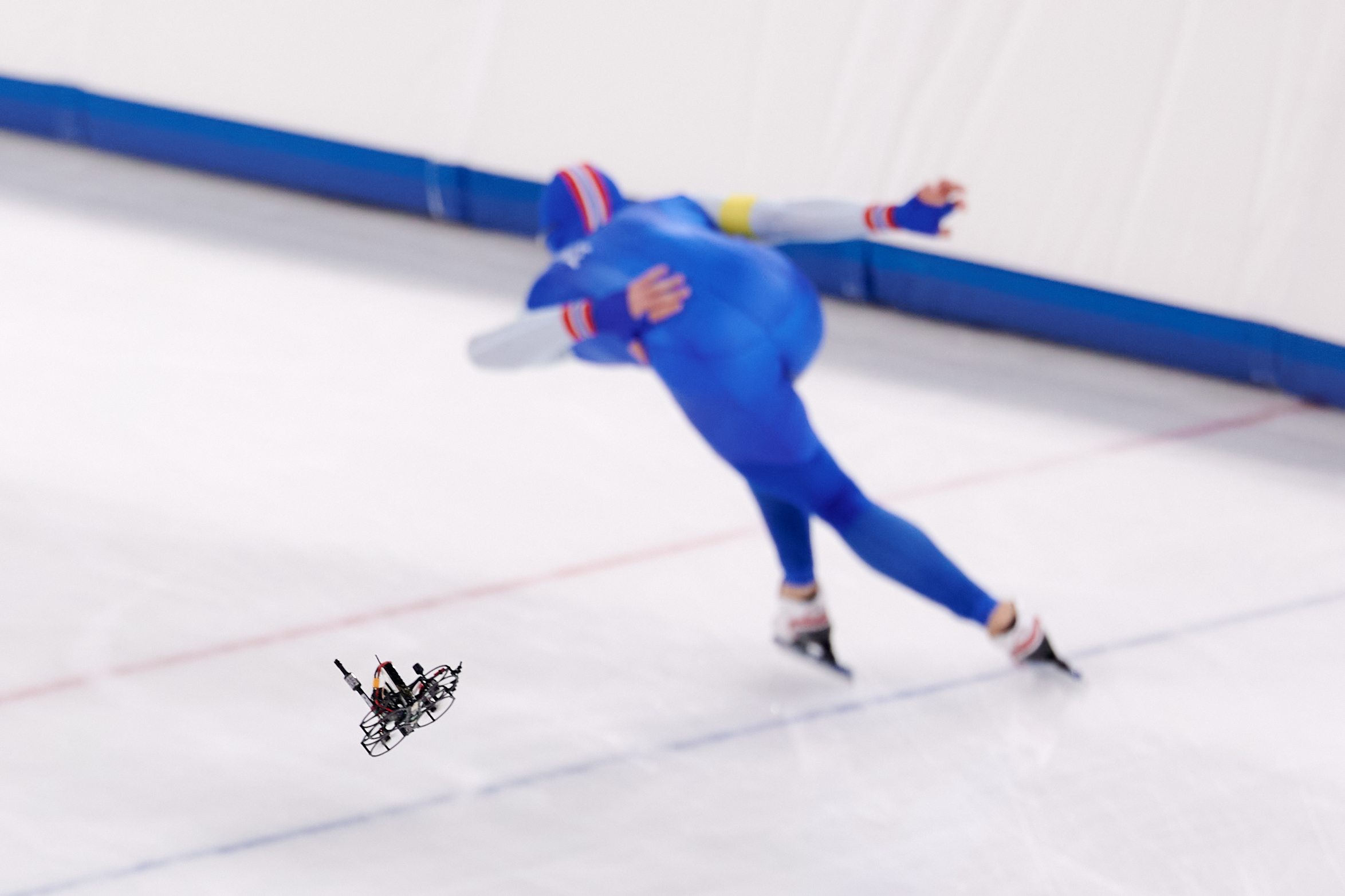
For athletes, the noise of the drones, their close presence (relying on the ability of those controlling the drones to fly them at a safe distance) and the possible shadows cast is something they will likely have to get used to during these Olympic Games and those to come.
Working for the BBC, two-time Olympic gold medalist Lizzie Yarnold said: “I spoke to a US skeleton and bobsled coach and he said the athletes can’t hear it and it doesn’t affect them, but I think if I was racing a drone I’d be very aware of it.” We have not yet received feedback from athletes in other disciplines, such as skiing.
For viewers, the question of whether drone noise can be removed for live coverage is less clear. It might be possible to isolate frequencies to eliminate the high-pitched hum, but probably at the cost of other authentic sounds, such as skis and boards carving ice.
The IOC said in its daily briefing that Yiannis Exarchos, chief executive officer (CEO) of Olympic Broadcasting Services (OBS), will address the press on February 18, when we will likely find out more about the technical aspect of incorporating custom drones into live footage.
What do you think? Are you enjoying the drone footage? Is it worth the annoyance of hum during live images? Let me know in the comments below.
Follow TechRadar on Google News and add us as a preferred source to receive news, reviews and opinions from our experts in your feeds. Be sure to click the Follow button!
And of course you can also follow TechRadar on TikTok for news, reviews, unboxings in video form and receive regular updates from us on WhatsApp also.


