
- SpaceX acquires xAI to form a new mega company
- Elon Musk promises to bring AI computing power to space
- Experts are divided on whether the ambitious plans can work
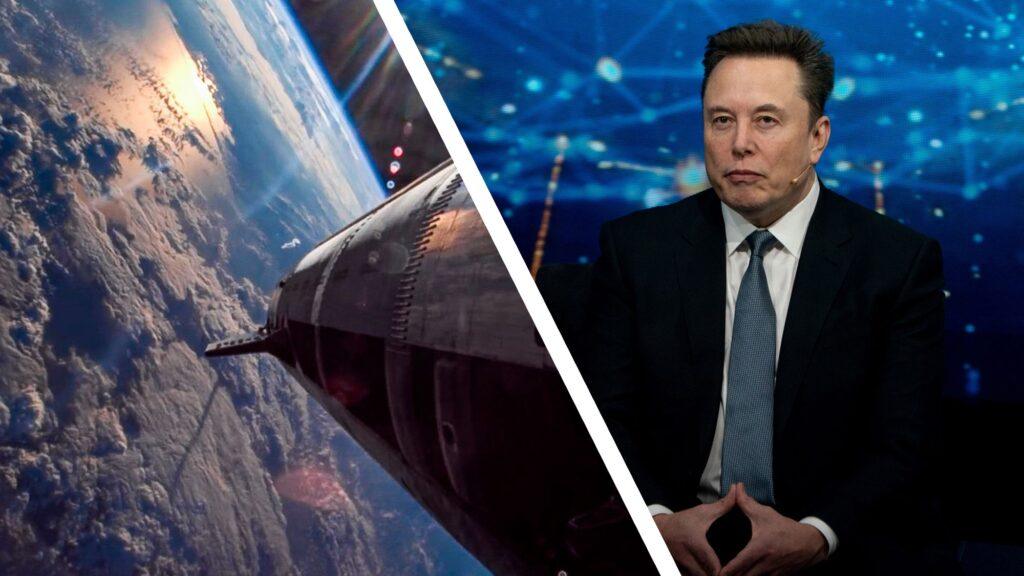
Elon Musk has formed the world’s most valuable private company, reportedly valued at $1.25 trillion, by merging rocket manufacturing company SpaceX and artificial intelligence developer xAI into a mega company ready to put AI computing into orbit.
SpaceX has acquired xAI to create “the most ambitious vertically integrated innovation engine on (and off) Earth,” according to the official press release written by Elon Musk himself, CEO of both companies.
This follows news over the weekend that SpaceX plans to launch up to a million satellites into space in the coming years, ready to move AI computing infrastructure from the ground to orbit.
With an unlimited amount of space in space and power provided by solar power – at least in theory – the idea is that our increasing needs for AI capabilities could be met by moving the final part of the operation outside of Earth’s atmosphere.
to the stars
“In the long term, space-based AI is obviously the only way to scale,” Musk says. “To harness even one millionth of our Sun’s energy would require more than a million times more energy than our civilization currently uses!”
According to Musk, the solution apparently is to create a “smart sun” in space with satellite constellations. These efforts will leverage all of SpaceX’s expertise and technologies currently used for Starlink satellites and Falcon rockets.
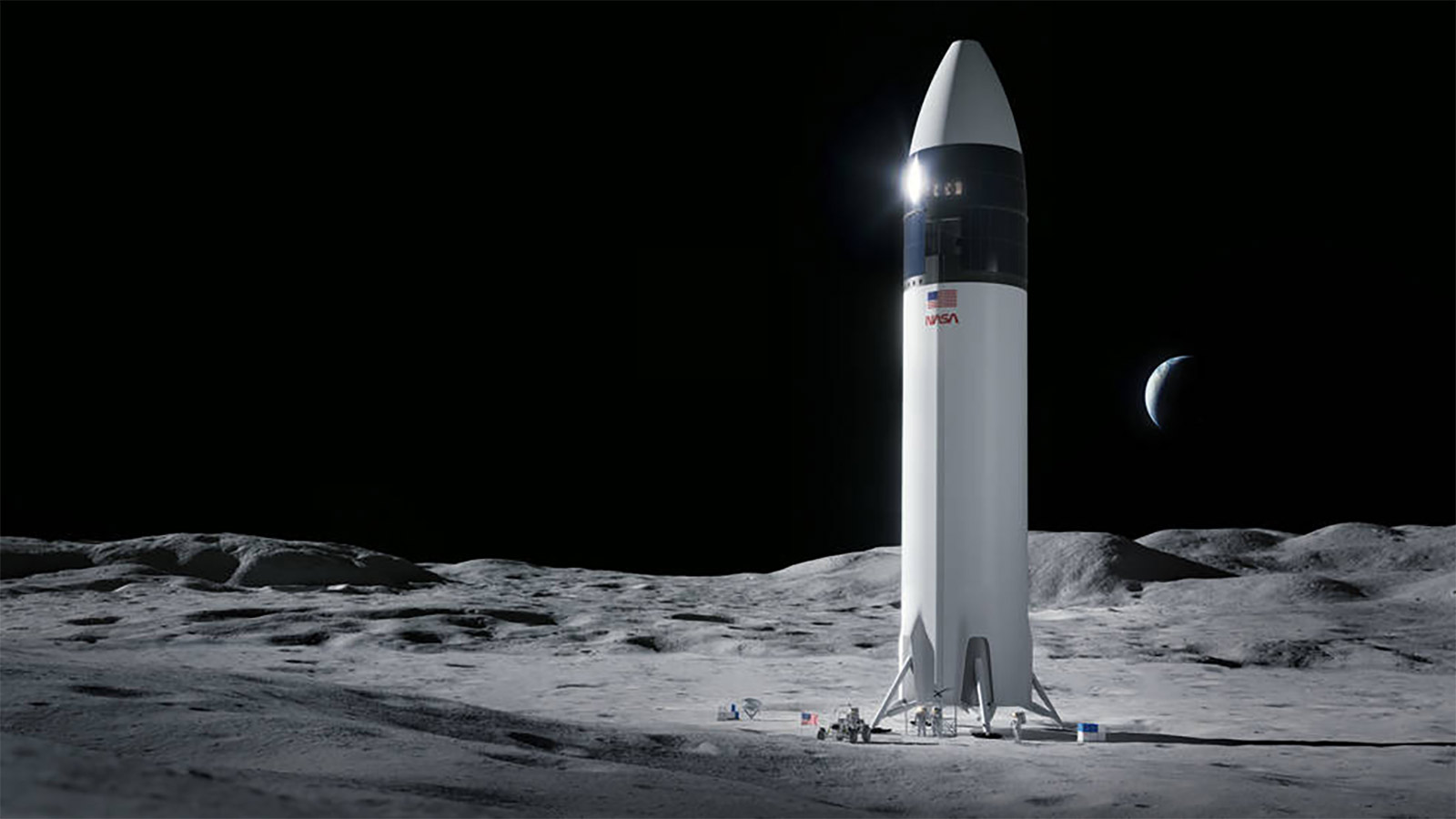
Upcoming Starship rocket launches are scheduled to put more and more computing power into orbit, and the goal is to launch one terawatt of AI computing capacity each year. In the long term, facilities on the Moon are also planned.
“The capabilities we unlock by making space data centers a reality will fund and enable self-growing bases on the Moon, an entire civilization on Mars, and ultimately expansion into the Universe,” Musk concludes.
Do the numbers add up?
According to PakGazette, the deal could still attract scrutiny from regulators, ahead of a planned IPO (Initial Public Offering) for SpaceX. However, analysts believe the deal makes sense: It combines revenue from both space operations and AI.
Emma Wall, chief investment strategist at Hargreaves Lansdown, told the BBC that the merger combined “two incredibly cutting-edge technologies” but warned that users on planet Earth would not see any benefits for at least a decade.
Elon Musk isn’t the only one who thinks the future of AI data centers lies in space: Google, Amazon and Nvidia are among the big tech companies that have backed the idea, with Google planning an initial launch sometime in 2027.
However, not everyone is convinced that the numbers add up. Space economist Pierre Lionnet of Eurospace told the New York Times that the idea that space operating costs would drop enough for this to work was “completely absurd.”
Phil Metzger, a physics professor at the University of Central Florida, is more optimistic that the economy will make sense in the short term. “As a business argument, it’s plausible,” he told the NYT. “It’s been an evolving discussion.”
In other words, while this ambitious plan has a long way to go, orbital AI data centers are preparing for takeoff and a new space race is brewing.
Follow TechRadar on Google News and add us as a preferred source to receive news, reviews and opinions from our experts in your feeds. Be sure to click the Follow button!
And of course, you can also follow TechRadar on YouTube and tiktok for news, reviews, unboxings in video form and receive regular updates from us on WhatsApp also.

The best laptops for all budgets


