
LAHORE:
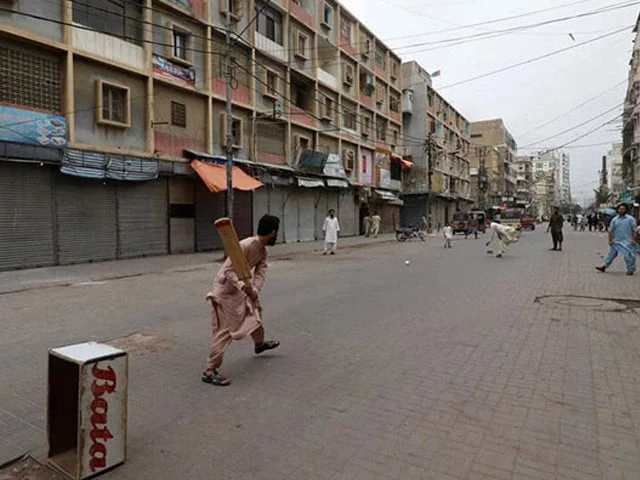
The federal government has finalized a comprehensive plan to impose a nationwide “smart lockdown” along with expanded austerity measures aimed at curbing energy consumption and managing the deepening fuel crisis caused by rising tensions in the Middle East, sources said on Saturday.
An official announcement is expected after consultations with key stakeholders.
The proposed plan combines targeted restrictions on public activity with structural changes to workplace operations, as authorities attempt to sustain economic activity while dramatically reducing demand for fuel and electricity.
Under the plan, markets and shopping malls will close at 9:30 p.m., while wedding halls will be limited to a maximum of 200 guests, with a one-course policy and a closing time of 10:00 p.m. The restrictions are aimed at curbing large gatherings and reducing nighttime energy use.
A hybrid work model is also fundamental to the proposal. Government offices operating five days a week would adopt a three-day in-office, two-day remote schedule, while service departments operating six days a week would follow a four-day in-office, two-day online model.
To further reduce operational and travel costs, a 50% rotation system is expected to be implemented, along with digital attendance monitoring and weekly audit mechanisms to ensure compliance. Similar measures are being considered for private offices, where up to 50% remote work may be required.
Strict restrictions on the use of official vehicles have also been proposed, including penalties such as fuel recovery and possible vehicle confiscation in case of violations. Authorities are also considering joint transportation arrangements for senior officials to minimize fuel consumption.
Energy conservation remains a key pillar of the plan. Measures under review include a ban on the use of air conditioners before 10:30 am in government offices and a target to switch at least 50% of public sector buildings to solar power within 60 days.
Broader fiscal adjustments are also being examined, including reductions in electricity and fuel subsidies for employees, possible changes to taxes on property and vehicle transactions, an increase in toll taxes and incentives such as lower rail fares to encourage the use of public transport.
The move comes as Pakistan faces growing economic pressure from global energy markets.
International crude oil prices have surpassed $100 per barrel amid ongoing geopolitical tensions, significantly increasing the import burden for energy-dependent economies. Earlier this month, the government increased the prices of petrol and high-speed diesel, raising petrol above Rs 321 per liter and diesel above Rs 335 per litre.
Officials say Pakistan’s heavy dependence on imported fuel has made it particularly vulnerable to external shocks, and rising oil prices are expected to hit foreign exchange reserves and widen the current account deficit.


