
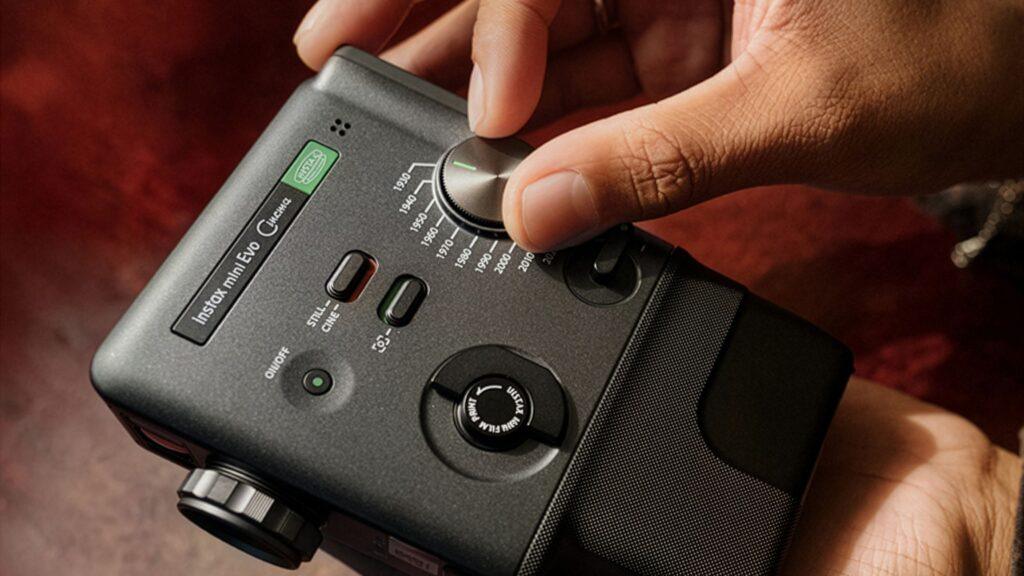
- Instax Mini Evo Cinema is a hybrid instant digital film camera, designed to look like the FUJICA Single-8 Super 8 camcorder.
- The camera is equipped with Wi-Fi and Bluetooth and works as a direct printer for smartphones.
- Currently only its release has been announced in Japan.
Fujifilm Japan is wasting no time and making its mark in 2026, launching what could be one of the most unusual cameras in recent years. The Fujifilm Instax Mini Evo Cinema is a digital instant film hybrid camera (I know, it took me a while to understand what that means too), which aims to combine the best elements of modern camera technology and nostalgia-inducing classic styling.
There are several headline-grabbing features in the latest addition to the Instax family, which are traditionally among the best instant cameras on the market, not the least of which is its crown as the first video-equipped Instax. While Fujifilm made the curious decision to add audio recording to the Instax Mini LiPlay+, it remained a purely photographic camera, simply adding the option to pair sound with a slideshow of captured images.
Image 1 of 4
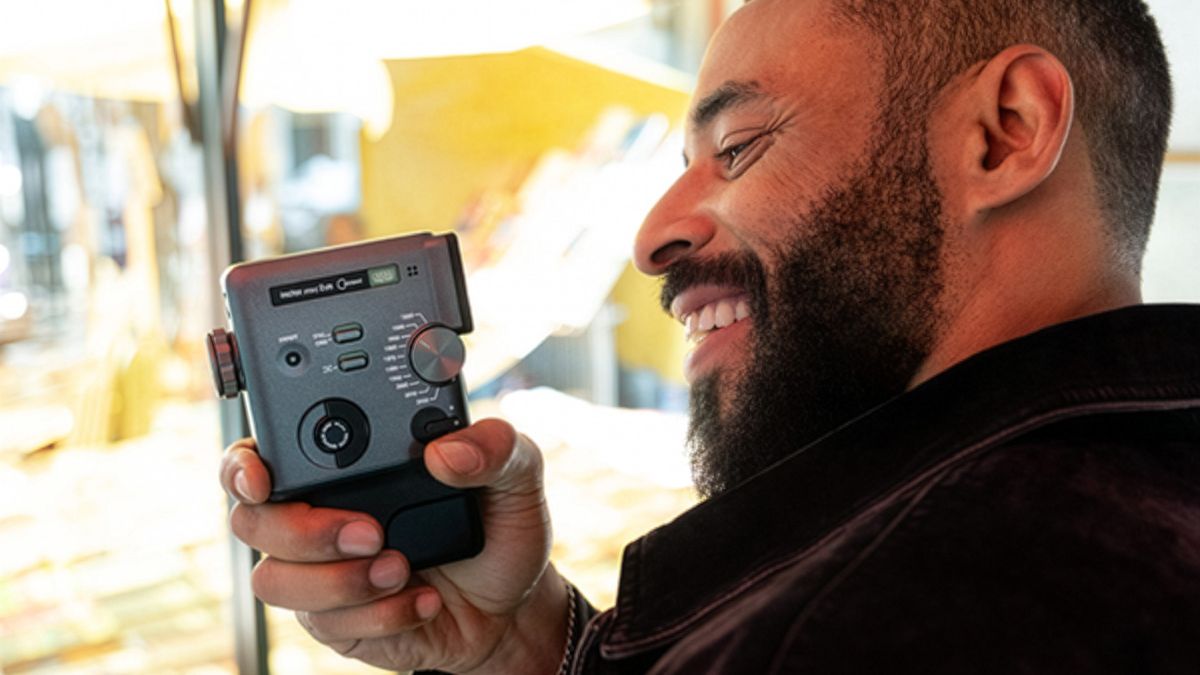
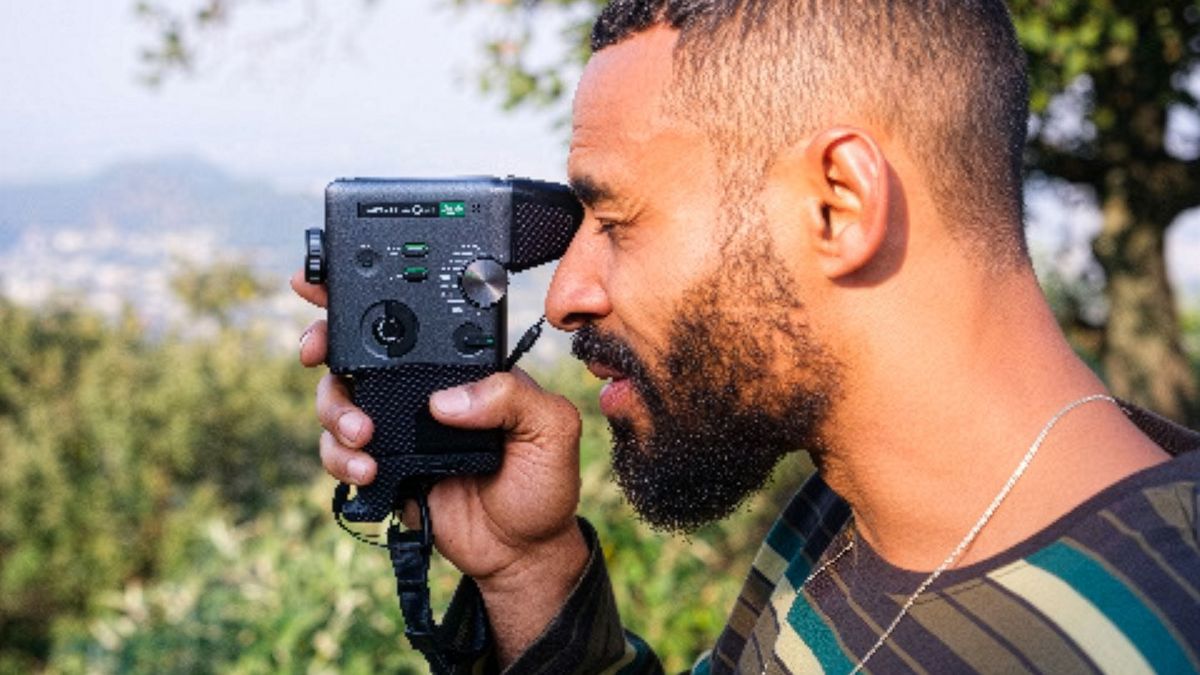
The Instax Mini Evo Cinema captures still images and videos, the latter of which it then converts into a QR code that can then be printed, along with an image taken from a frame of the clip. By scanning the code, viewers can rewatch a video at any time along with related still images in print.
The videos themselves can be edited using a dedicated mobile app, which allows for the usual splicing and cutting of clips, as well as being able to introduce opening and ending cinematic templates. It’s an intriguing approach to keeping Instax instant cameras relevant in the video-centric era we live in.
Speaking of eras, probably the most important feature of the Instax Mini Evo Cinema, one that Fujifilm is doing its best to promote, is the ‘Eras’ dial. This physical control on the camera body allows the user to cycle through a series of preset image styles inspired by different decades. Beginning in 1930 and the very beginning of commercial filmmaking, the dial offers ten positions to the 21st century, with the last stop being the year 2020.
The most notable eras that are likely to get the most attention are the ’80s setting, which gives a 35mm color negative feel, and the ’60s era, which Fujifilm explains is a recipe based on the look of the Super 8. This is especially relevant given that the body of the Fujifilm Instax Mini Evo Cinema is styled after the FUJICA Single-8 camera from 1965, an 8mm model that used a oriented camera. vertically striking similar. handle.
For someone my age, it’s the positions of 2000 and 2010 that awaken the bittersweet pang of nostalgia, bridging the gap between the early days of digital photography and the era of smartphones. Clicking the Eras dial through 2010 will apply a style based on the look of time-relevant smartphone editing apps. I hope the Reten 2000 doesn’t pixelate images or take what seems like an hour to process each shot, like some of the compact digital cameras I experienced around 2005, but we’ll have to wait and see as Fujifilm didn’t provide a sample of this notch in its press release.
a retro album
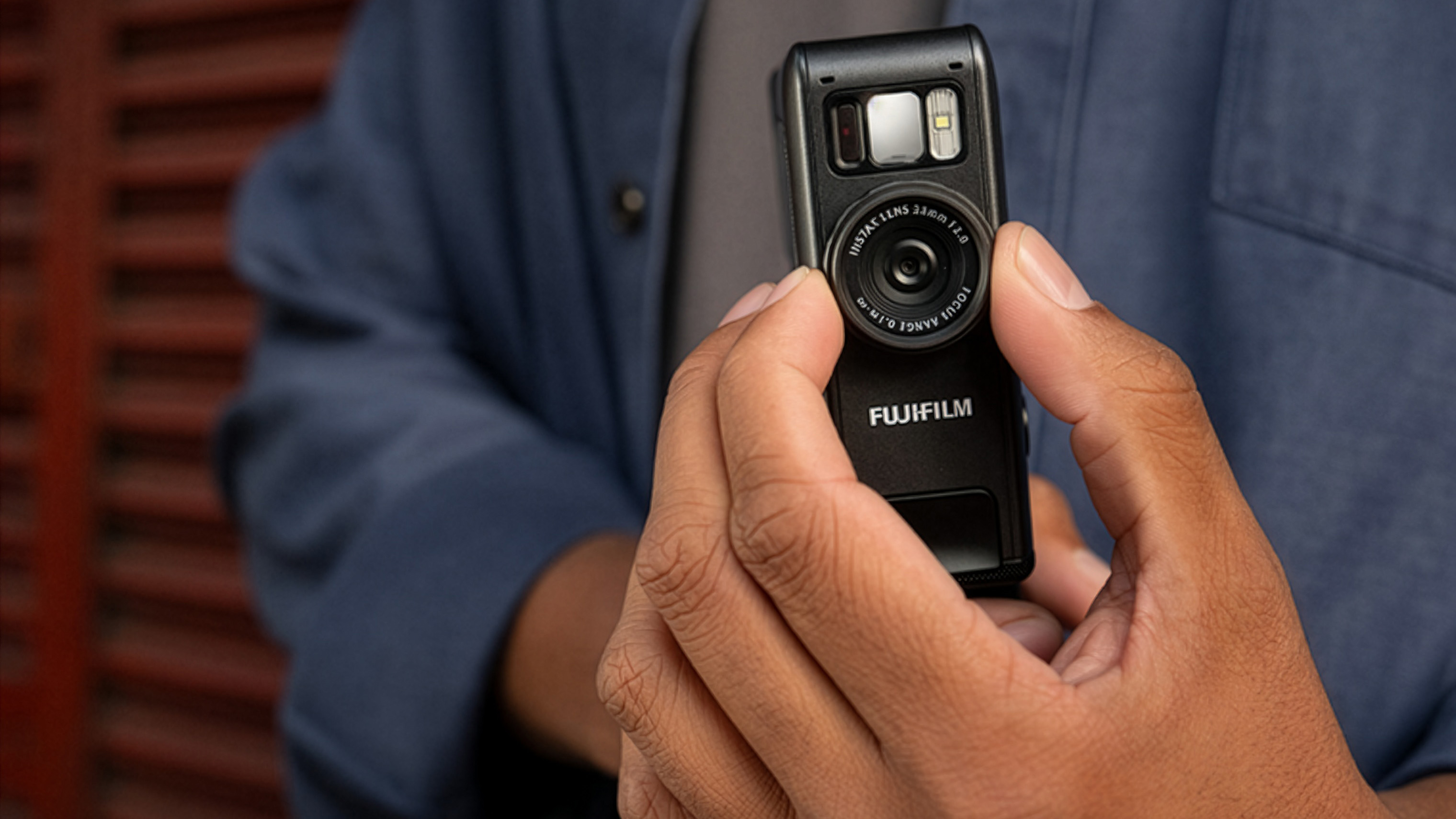
Fujifilm is no stranger to camera weirdness (I’m looking at you, Fujifilm X-Half), but the Mini Evo Cinema really doubles down on the retro trend of the Instax family. Without seeing first-hand samples, it is too early to review the quality of the results and we don’t even know what size sensor the camera will be equipped with. It’s safe to assume that it won’t be able to match the best video cameras available today for absolute image integrity, but being able to “deliver video,” as Fujifilm puts it, is certainly a unique idea that the Tik Tok-savvy emerging generation will love, given that these users also show an affinity for retro designs.
To round out the feature specs, the camera also doubles as a portable smartphone printer thanks to the built-in direct print function.
I’ll reserve judgment until the TechRadar team can conduct a thorough review, but I’d be surprised if this doesn’t turn out to be another solid model in the enviable line of successful Instax products. The caveat is that Fujifilm has, so far, only announced the Mini Evo Cinema for the Japanese market, without mentioning its availability in other territories. The current information omits the launch price and full specifications, but if you’re in Japan soon and want to purchase a unit, it will start shipping on January 30.
Follow TechRadar on Google News and add us as a preferred source to receive news, reviews and opinions from our experts in your feeds. Be sure to click the Follow button!
And of course you can also follow TechRadar on TikTok for news, reviews, unboxings in video form and receive regular updates from us on WhatsApp also.

The best compact cameras.


