
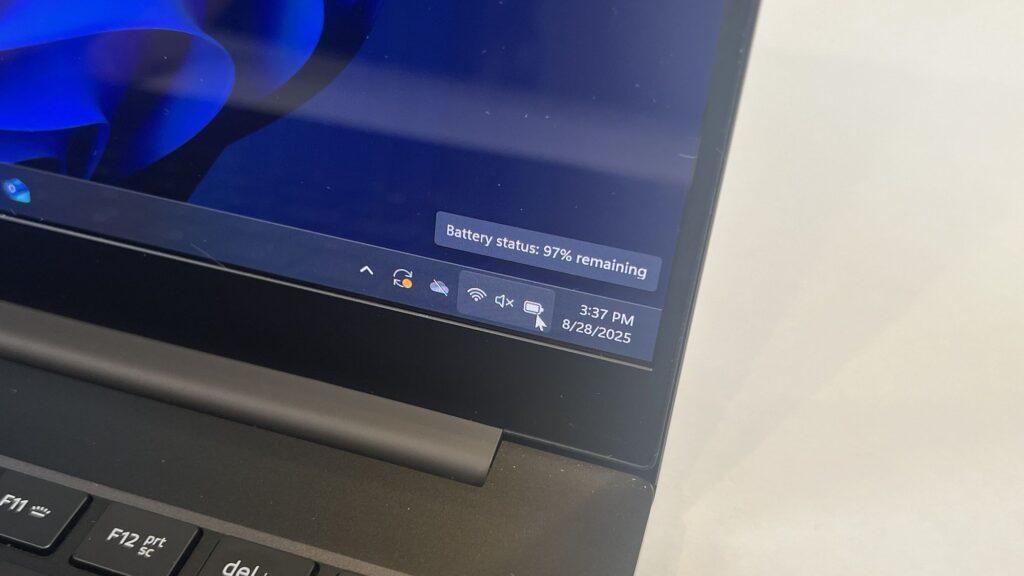
- Windows 11 now has a market share of 72.78% of Windows versions
- According to StatCounter, it has increased 22% in the last two months.
- Windows 10 has fallen from 44.68% at the end of last year to 26.45%
It looks like Windows 10 is finally being firmly sidelined, as Windows 11’s market share has increased considerably since 2026 began.
According to the latest Windows market share figures for February 2026 from StatCounter, Windows 11 reached 72.78%. That was up from 62.41% in January, and the OS was only at 50.73% at the end of December 2025.
In short, Windows 11 has gained a mammoth 22% market share in just two months since this year began.
As expected, the analytics firm recorded a similar drop for Windows 10, which was 44.68% at the end of 2025, and has now fallen to 26.45%, a drop of more than 18%.
Windows 11’s other gains came at the expense of Windows 7, which has shrunk to almost nothing (finally), falling to 0.6% (it was at 3.8% at the end of 2025).
Analysis: PC price increases are likely a driving factor
This is a telling change for Windows 11, after some serious wobbles for the operating system last year in terms of market share. Of course, we should note the usual caveats: this is just a set of figures from a single source, and the way StatCounter collects its data doesn’t directly reflect the number of PCs out there. (It is based on website visits; any Windows system that is very active online will have a disproportionate influence on the statistics, as I mentioned recently.)
Still, even taking those nuances into account, something big has clearly happened in recent months for Windows 11, with a change of more than 20%. But why now? I think this could well represent many companies that needed hardware upgrades to get Windows 11, as their fleets of Windows 10 computers were not compatible with the newer operating system, and they went ahead and upgraded now to avoid further price increases on PCs that could well come into play later this year (brought on by the RAM crisis).
The same is likely true for consumers, who may have pulled the trigger on a new Windows 11 laptop in recent months to get a decent price, rather than being hit harder by the aforementioned memory crisis-related price increases.
Regardless, both businesses and consumers will need to decide what to do before October 2026, as that’s when Microsoft’s free year of Windows 10 support runs out for the latter (and the price of extended support increases for businesses). I’m guessing March will be another significant surge in Windows 11 adoption, before things slow down until October.
The best laptops for all budgets
Follow TechRadar on Google News and add us as a preferred source to receive news, reviews and opinions from our experts in your feeds. Be sure to click the Follow button!
And of course, you can also follow TechRadar on YouTube and tiktok for news, reviews, unboxings in video form and receive regular updates from us on WhatsApp also.


